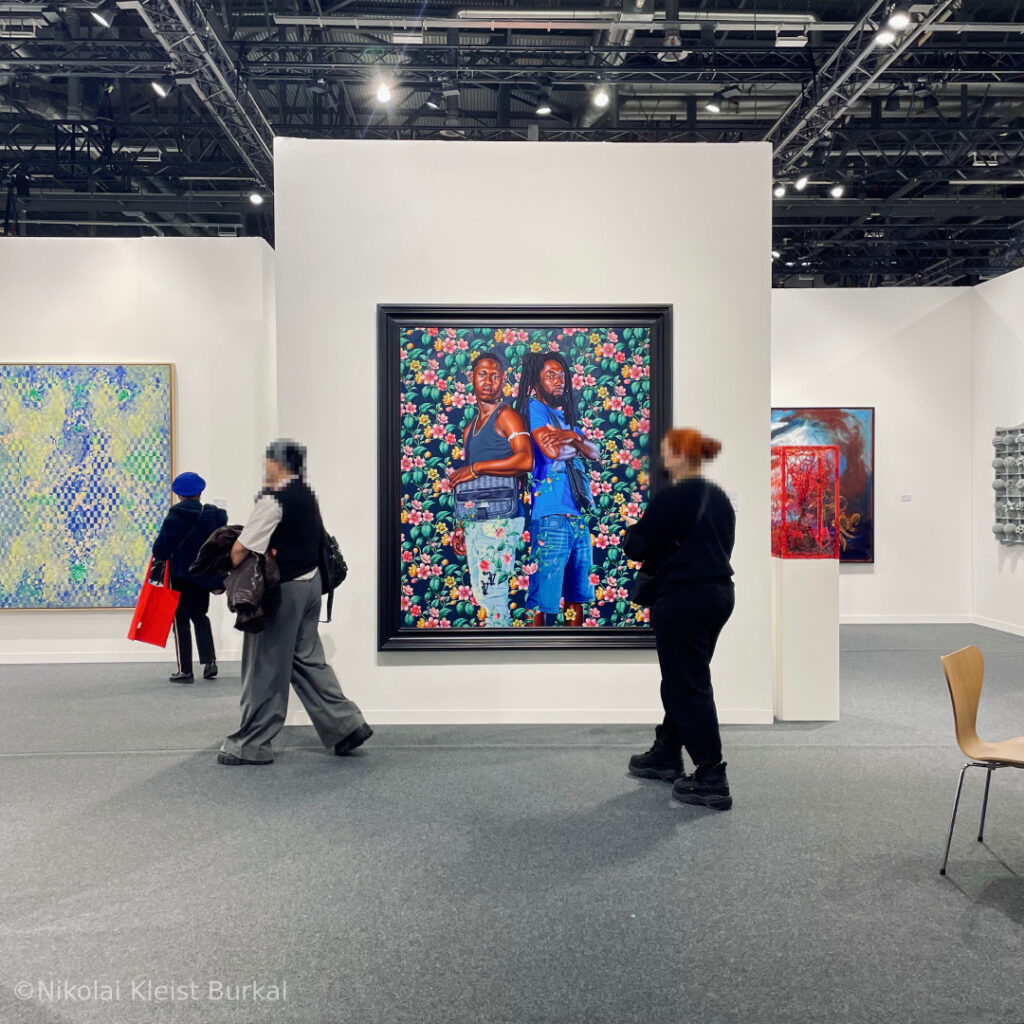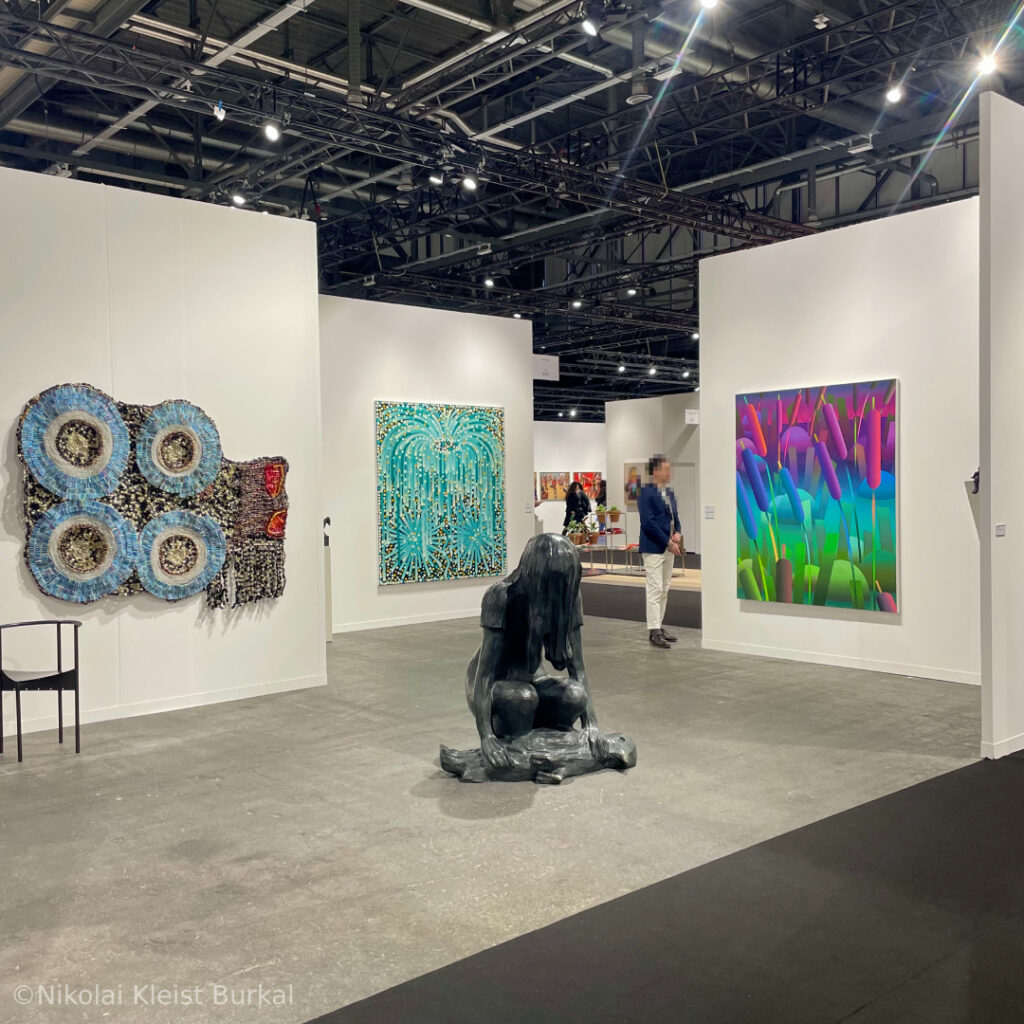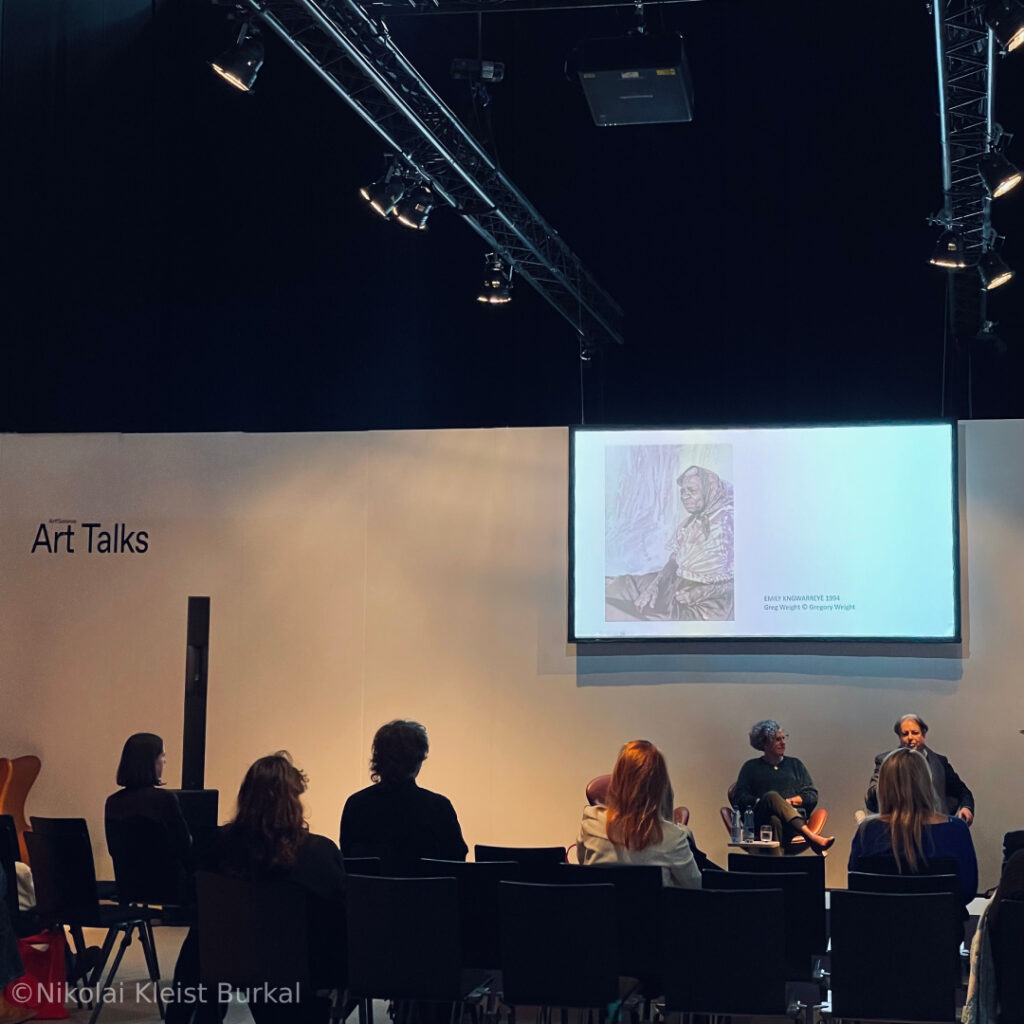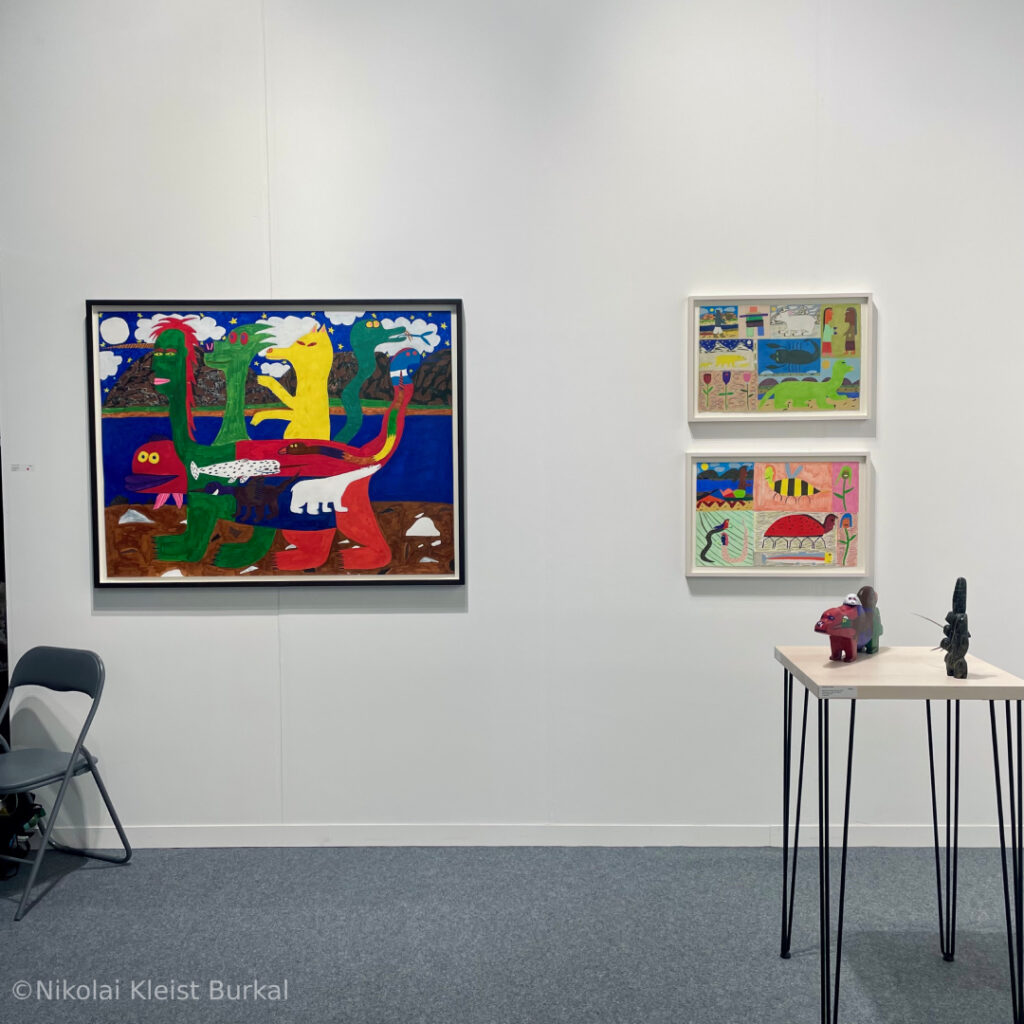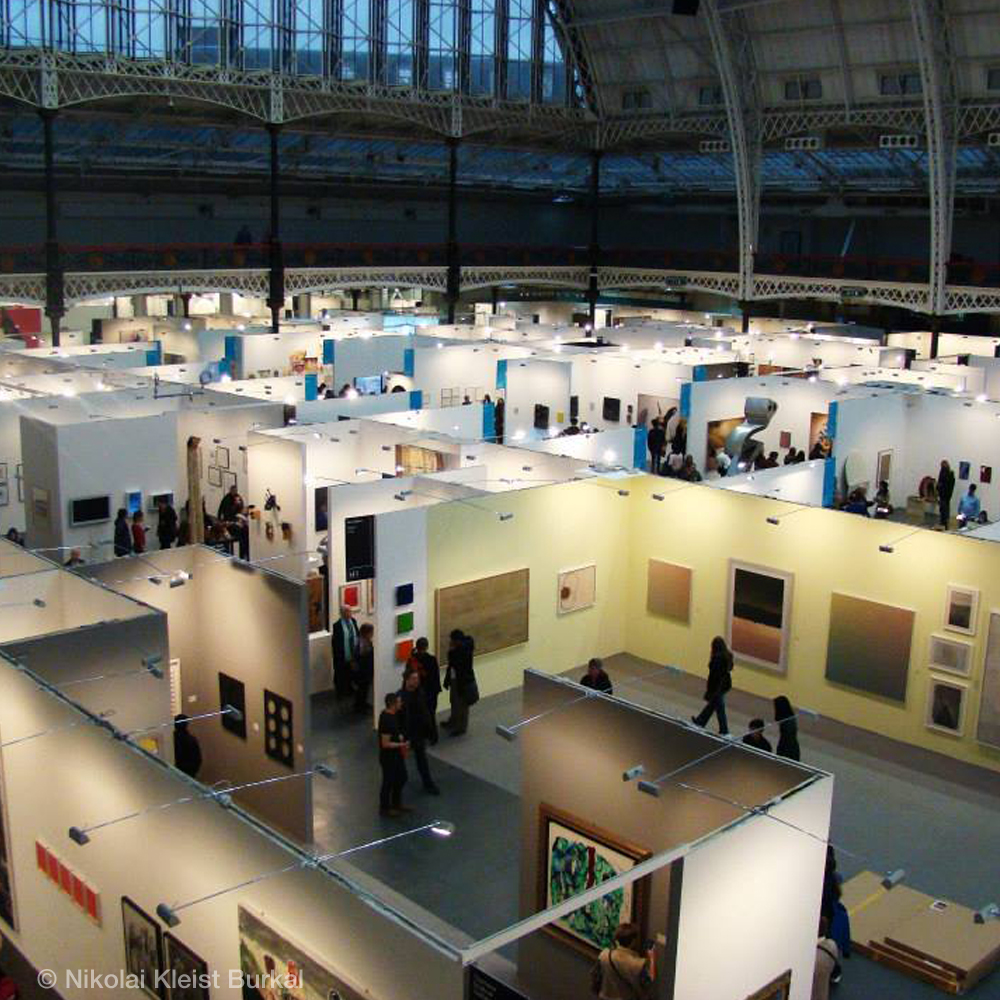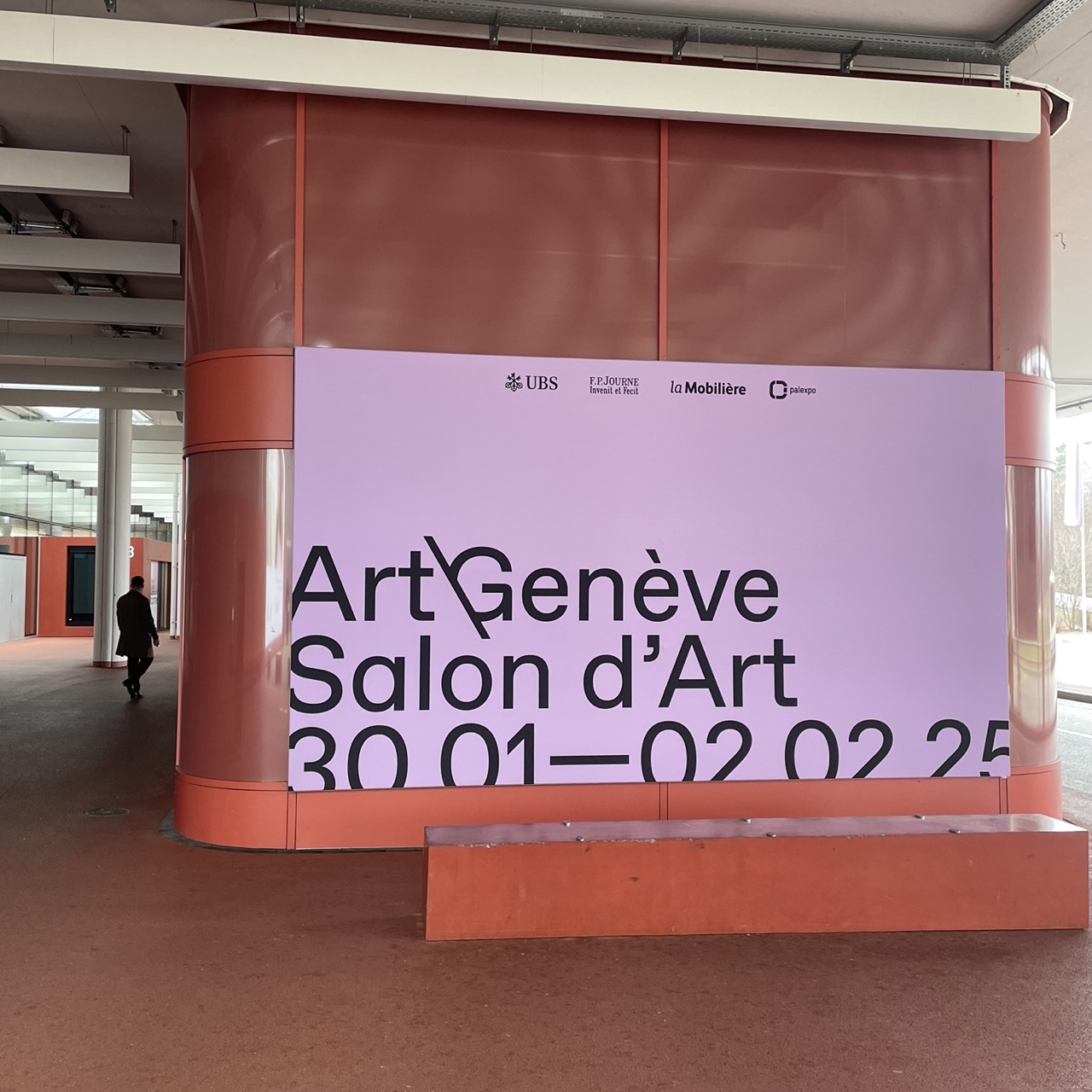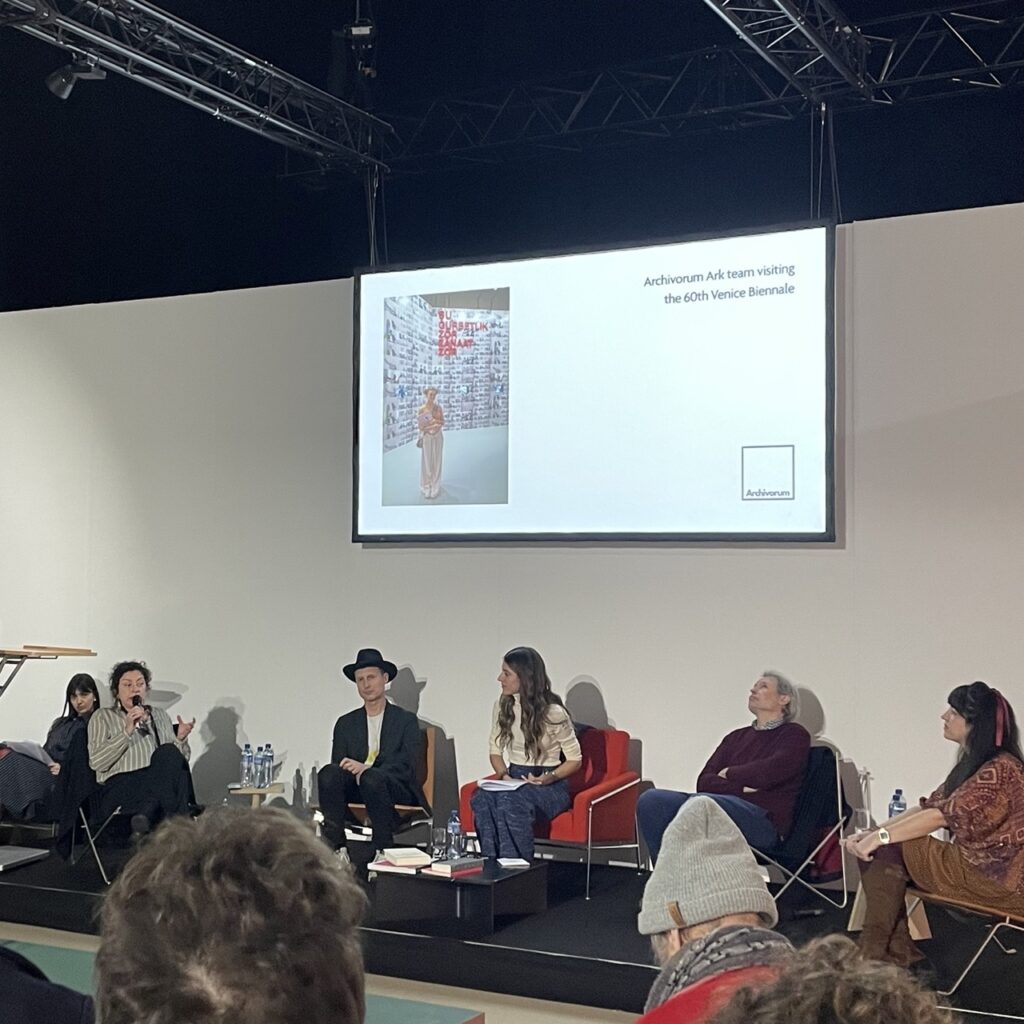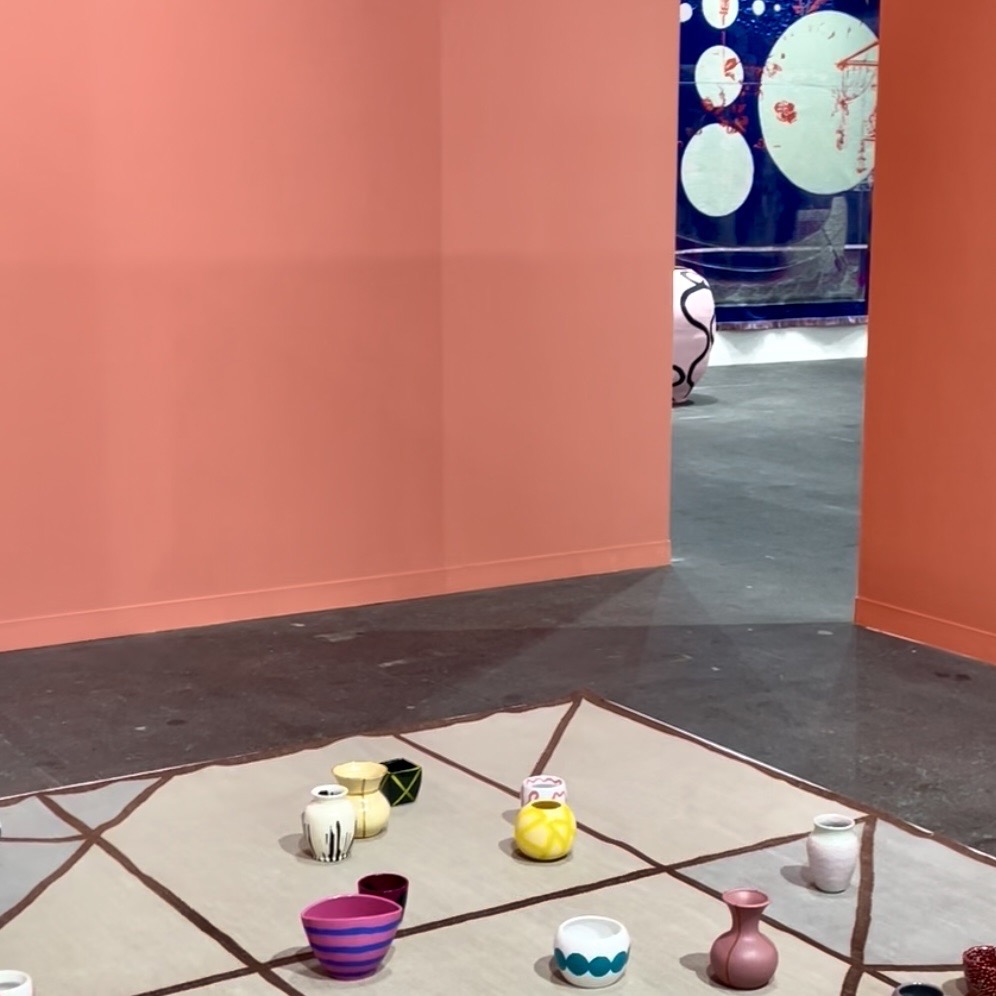
Author: Nikolai K. Burkal
  • For the love of grapes: A Deep Dive into Swiss Wine

    For the love of grapes: A Deep Dive into Swiss Wine

    When I moved to Zurich back in 2022, I had never encountered Swiss wine. I soon discovered that not only do Swiss consumers thoroughly enjoy wine, but there is a worthwhile local production waiting to be explored. Of course, being surrounded by wine producing neighbours like Italy, France, Germany, and Austria, it’s not that strange to find wine production in Switzerland. So, my curiosity was instantly piqued. How come I had never seen Swiss wine abroad? What makes up the Swiss wine market, and what drives Swiss wine making these days?
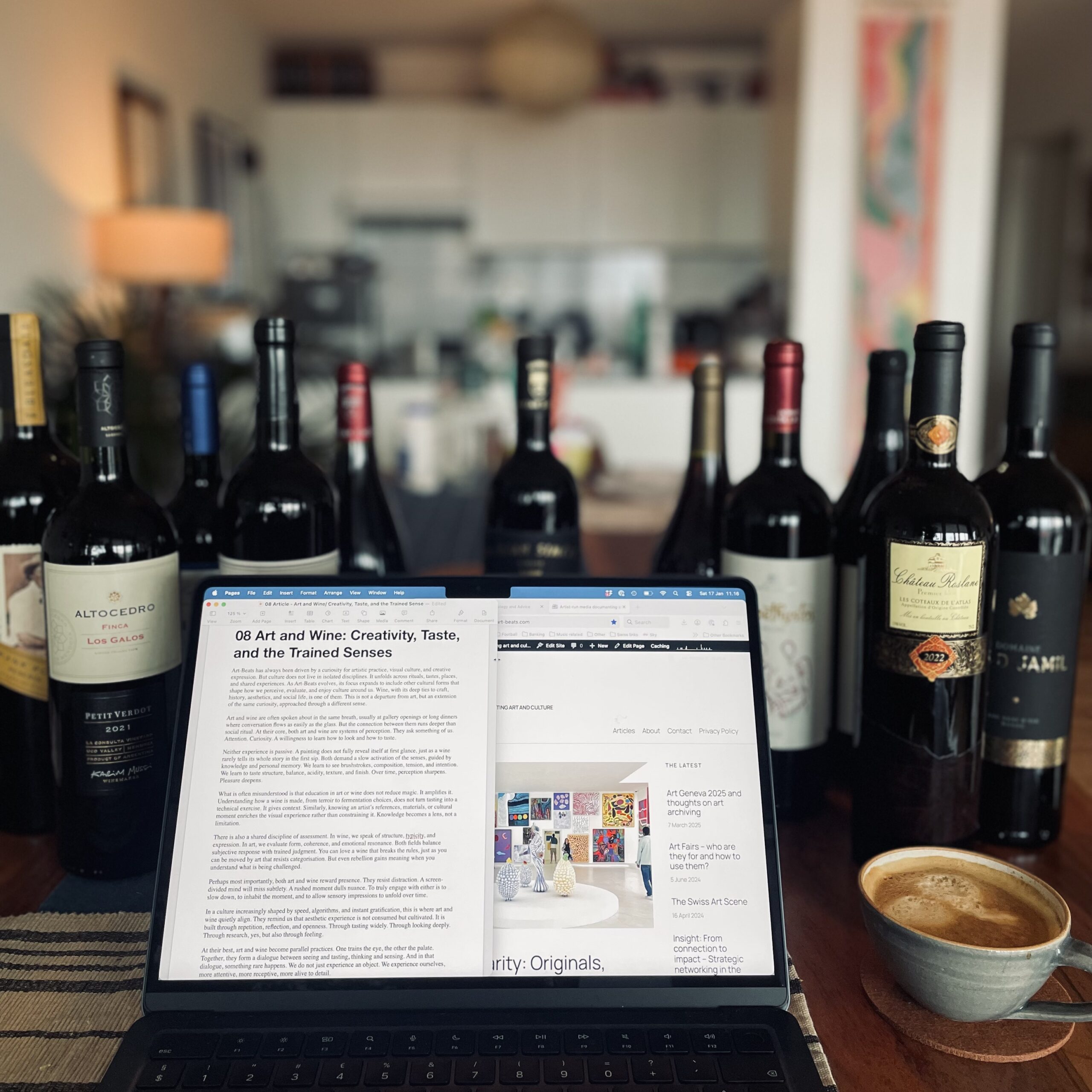
    I wanted to learn more about Swiss wine, since it seems to escape the curriculum of many wine courses, and it’s not really talked about outside of Switzerland, which makes it a little bit mysterious, but intriguing. It seems like, the only way to study Swiss wine, is from within the country, which puts me in a great position as I’m currently residing in Zurich.

    The Six Swiss Wine Regions

    Let’s get an overview. Switzerland has six main wine regions; Valais, Vaud, Geneva, Three Lakes, German-speaking Switzerland, and Ticino. There are few other smaller wine producing sub-regions, but I will focus on the six.

    A little fun fact, Valais is the home region of the Europe’s highest located vineyard in the village of Visperterminen, as well as the world’s smallest, in Saillon, which consists of just three vines and has been owned by the Dalai Lama since 1999. I’ll ask him for a sample next time I see him.

    Switzerland has around 2,500 winegrowers who cultivate 14,569 hectares of vineyards. That’s similar in production size to Slovenia, Baden in Germany, or Alsace in France. Valais is the largest wine region with approximately 4,600ha and has around 370 wine producers. Neighbouring region Vaud, is known for its UNESCO World Site listed sub-region, Lavaux, and its steep terraced vineyards along northern coast of Lake Geneva. German-speaking Switzerland basically stretches from central to Eastern Switzerland, where around 800 wine producers cultivate 2,600ha of planted vineyards.

    In terms of appellations, Switzerland has over 60 AOCs (Appellations d’Origine Contrôlée), which ensures the wine, under strict regulation, comes from the stated place of origin, and expresses the regional typicity of geography and wine making know-how. The AOC Grand Cru appellation is not used in all six regions, and does apply extra strict criteria for vine yield and which grape varieties are allowed. It’s a little technical to understand the differences as it varies from region to region, and I personally look more at the producer or particular grape varieties.

    It’s interesting to see that Valais has almost twice as many hectares of vineyards planted than German-speaking Switzerland, but only half the amount of wine producers. It could indicate more homogeneity in Valais, which is enforced by having an AOC Grand Cru appellation, while the German-speaking region looks like a more diverse region with many more smaller producers.

    The Top Wine Grapes Produced


    What makes Switzerland special, is not only its multilingual and cultural mash, and having easy access to key wine market nearby, but it’s local production and indigenous grapes. Similar to other European wine countries, different regions nationally also sort of specialises in certain grape varieties.

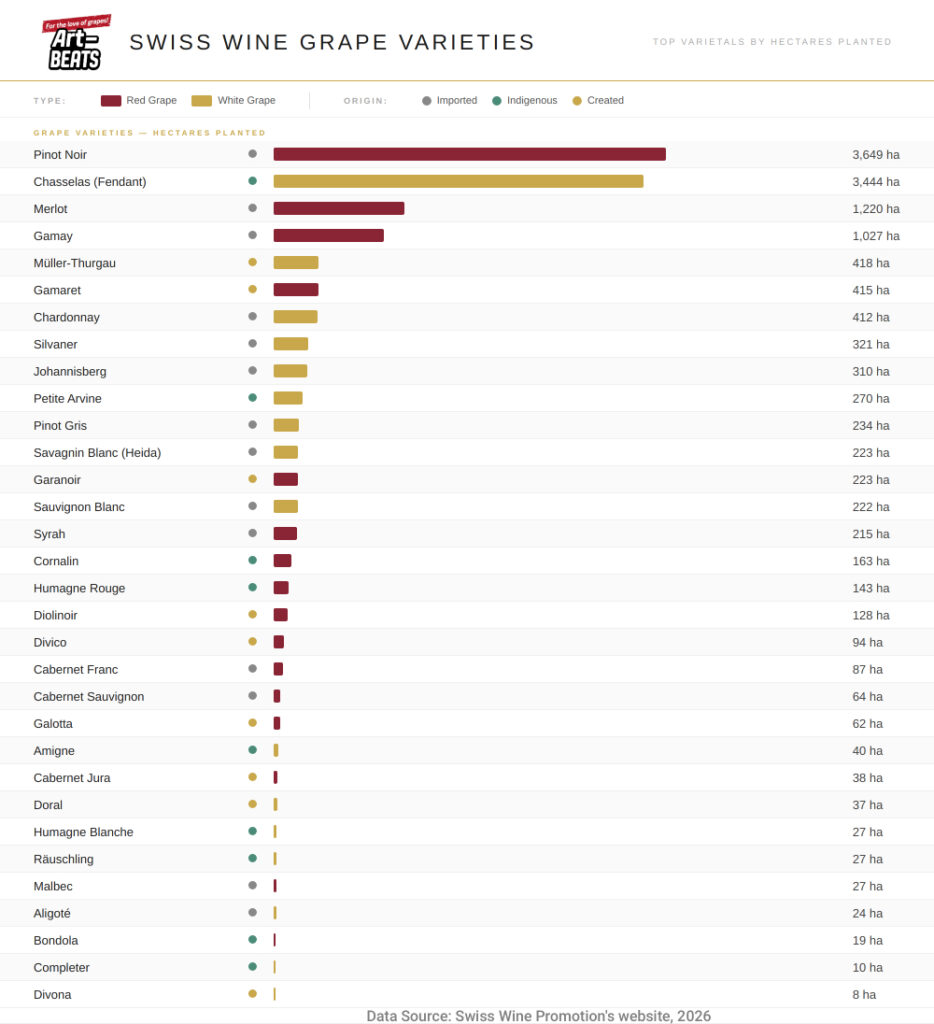
    Currently, around 250 grape varietals are being produced where the most produced varietals lists Pinot Noir, Chasselas, Gamay and Merlot make up around 66%. The grape varietals can be distinguished in three categories; imported grape varieties, indigenous grape varieties, and created grape varieties.

    Pinot Noir, as an imported grape variety, is by far the most produced wine grape. 25% (3,649 ha out of 14,569 ha) of planted vineyards produce Pinot Noir, with German-speaking Switzerland and Valais making up the largest share. Globally, it is one of the most planted varieties, and has been cultivated in Switzerland since the 15th century, which is not odd, considering its origin from around Burgundy, neighbouring Western Switzerland. It is known as a hard grape to grow, and is often seen as the ultimate challenge for winemakers. There is a certain prestige in creating a good wine out of Pinot. It has thin skin and buds early, which makes it sensitive to spring frost. It is often used for single-varietal lighter red wines, and is know to be excellent at expressing the terroir (a combined term for local climate, soil composition, winemaking know-how, and vineyard aspect)under which is was produced. However, it is also used for producing rosé and sparkling wines, so it’s really a multi-functional wine grape.

    More specific to Switzerland, is the second most grown grape, Chasselas (sometimes called Fendant). It is a white indigenous grape variety, and makes up around 24% (3,444 ha out of 14,569 ha) of planted vineyards. It is mainly grown in Western Swiss regions of Vaud, Valais, Three Lakes, and Geneva, and benefits from cool climate and chalky soils. It is often used as an aperitif wine with cheese or snacks, or maybe more famously, paired with Swiss cheese fondue or raclette dishes. It is often light, acidic and fruity, which goes well with fattier foods like cheese or white fish. In my personal encounters of Chasselas, there is no risk of this white wine overpowering the food. Some noteworthy examples of esteemed Chasselas-producing villages includes the UNESCO-listed Lavaux sites in Saint Saphorin and Dézaley, Féchy in La Côte, as well as Yvorne in Chablais.

    Ticino is Merlot. Of course you can find Merlot across Switzerland, and you can find other varieties in Ticino, but it’s dominated by Merlot vineyards, by far. Merlot is one of the world’s most produced grape variety, and is perhaps most known as a blending grape in Bordeaux wines or Supertuscan blends where it contributes to softening the body of wines using higher tannin grapes, while adding fresh cherry and plum notes. It can reach high alcohol levels in more moderate climates, and medium alcohol in cooler climates, so it is a pretty versatile grape that is considered easy to grow.

    In Switzerland, Merlot might be more comparable to the single-variety styles in Friuli, Northern Italy. Ticino Merlots can vary in style from medium to fuller body, and often oak-aged. Interestingly, Ticino also produces Bianco di Merlot (white Merlot), which still uses the red grape, but the vinification process (the winemaking process after harvesting) produce wine as if it was a white wine, meaning no grape skin contact, soft pressing, controlled temperatures during fermentation, there might be ageing “on the lees” (meaning kept in contact with leftover yeast after fermention), and perhaps no or less oak-ageing. These often produces complex and fragrant white wines, and can give vibes of white Burgundy wines. Whether red or white, the Ticino Merlots are a great place to start when diving into Swiss wines.

    The Indigenous Wine Grapes

    This area of wine production is always super interesting to me, the native or indigenous grapes. These grape varieties are unique to a specific location of origin, and are often less recognised outside the country or region of origin. Some of these grape varieties might have been introduced at one point in time, often neighbouring countries, but after centuries of cultivation or playing an important in local wine traditions, they can be considered indigenous.

    Out of Switzerland’s around 250 grape varieties produced, 40 are considered native to the country.

    Chasselas, has already been mentioned as the most planted indigenous grape variety, and other important indigenous grape varieties include the white grape Petite Arvine, mostly found in Valais. In recent years it has garnered great praise and awards in international wine competitions. Typical aromas include grapefruit and rhubarb notes, sometime salinity and zesty acidity.

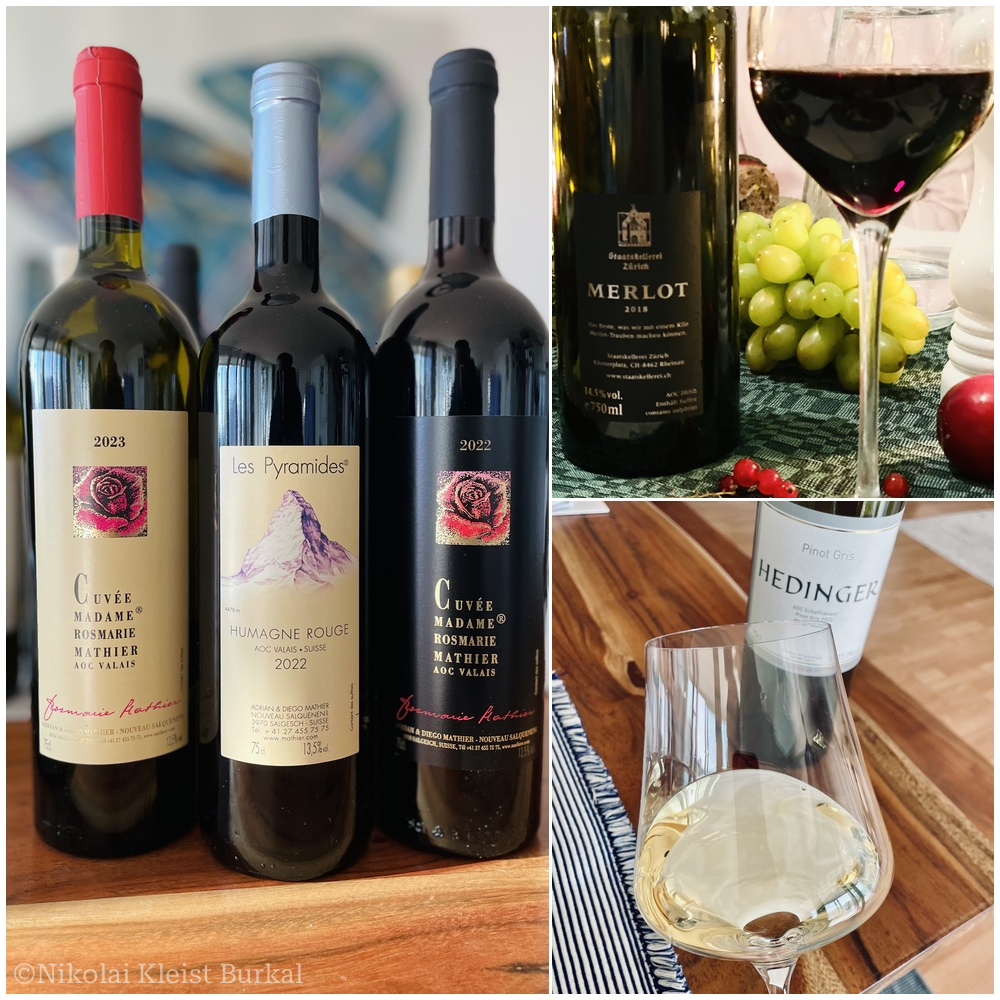
    Similarly, there are red grape varieties like Cornalin and Humagne Rouge. These are considered somewhat rare, but they are not that hard to find in Swiss wine stores.

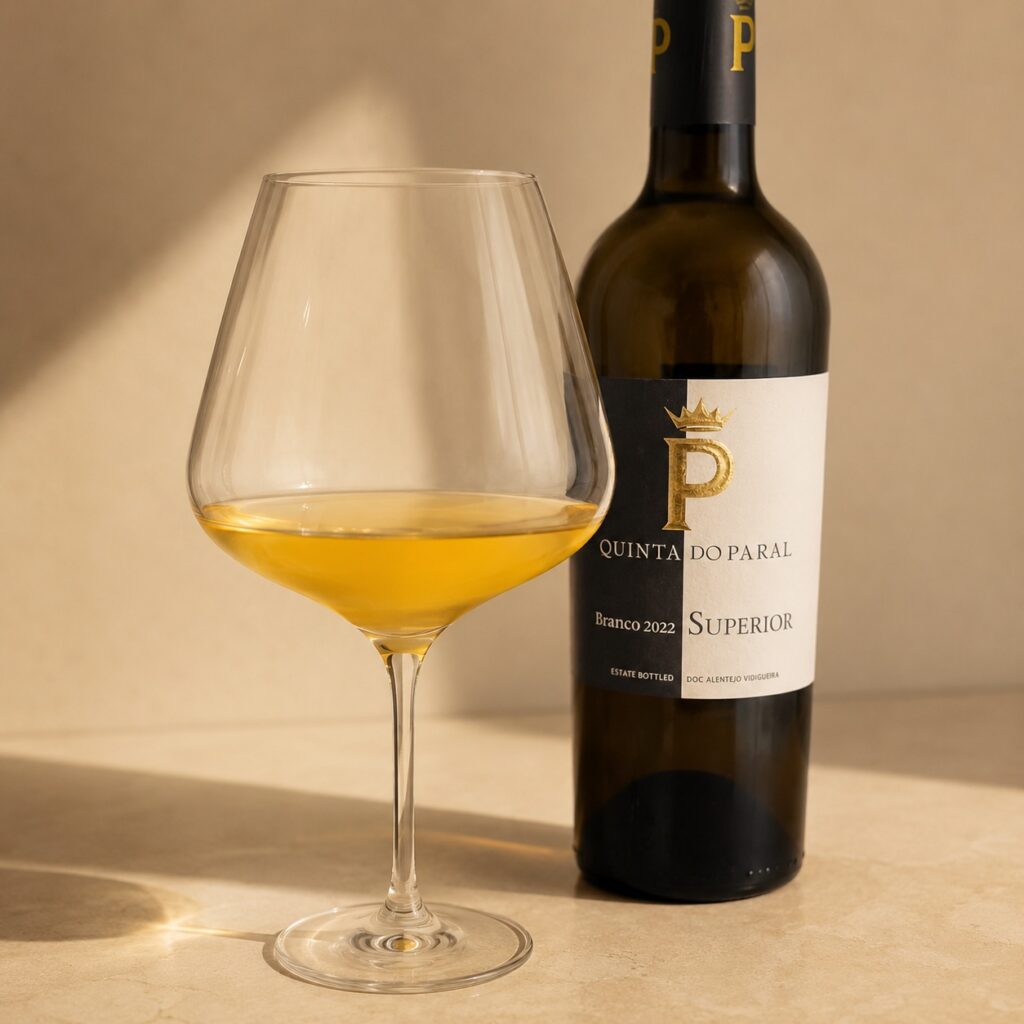
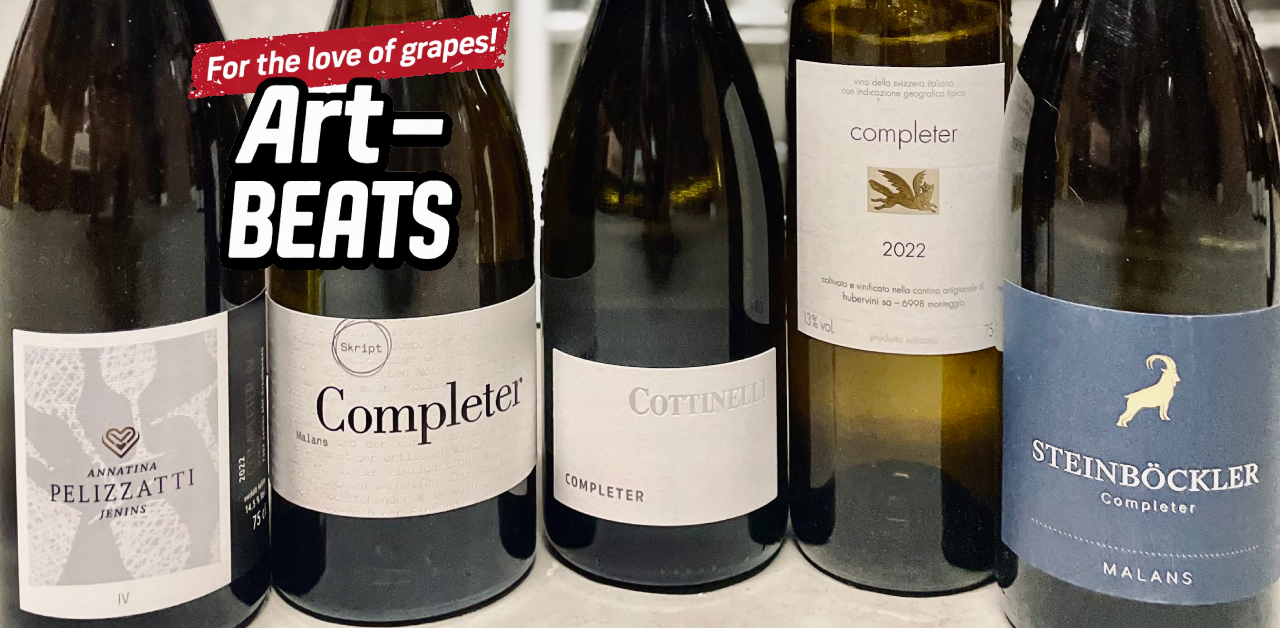
    I want to dedicate some space for an indigenous Swiss white wine variety that has really blown me away. Completer, to me, is probably the best kept secret the country has to offer. There are only around 10 hectares of this variety planted, making it a very rare grape mostly grown in the Graubünden (Grisons) in Eastern Switzerland, but there a some examples in Ticino, Zurich and Valais that I’ve come across. It is hard to find, it is often expensive, and the worst part it, it is absolutely delicious!

    Apparently, this variety was first mentioned in records dating back to 1321, where Benedictine monks in the town of Chur drank this wine after the evening prayer (or “Completorium”, hence the name), making it one of the oldest known grape varieties in Switzerland. It’s a full-bodied aromatic wine, it has high acidity and often tropical fruit aromas like pineapple. Personally, this is my personal favourite Swiss wine grape, and has plenty of star quality.

    I had the pleasure of trying a menu of three Graubünden traditional dishes Capuns (dumplings wrapped in spinach leaves simmered in milk), Maluns (potato bits with apple sauce), and Pizokel (buckwheat pasta dish), with a glass (or two) of Completer. Brilliant!

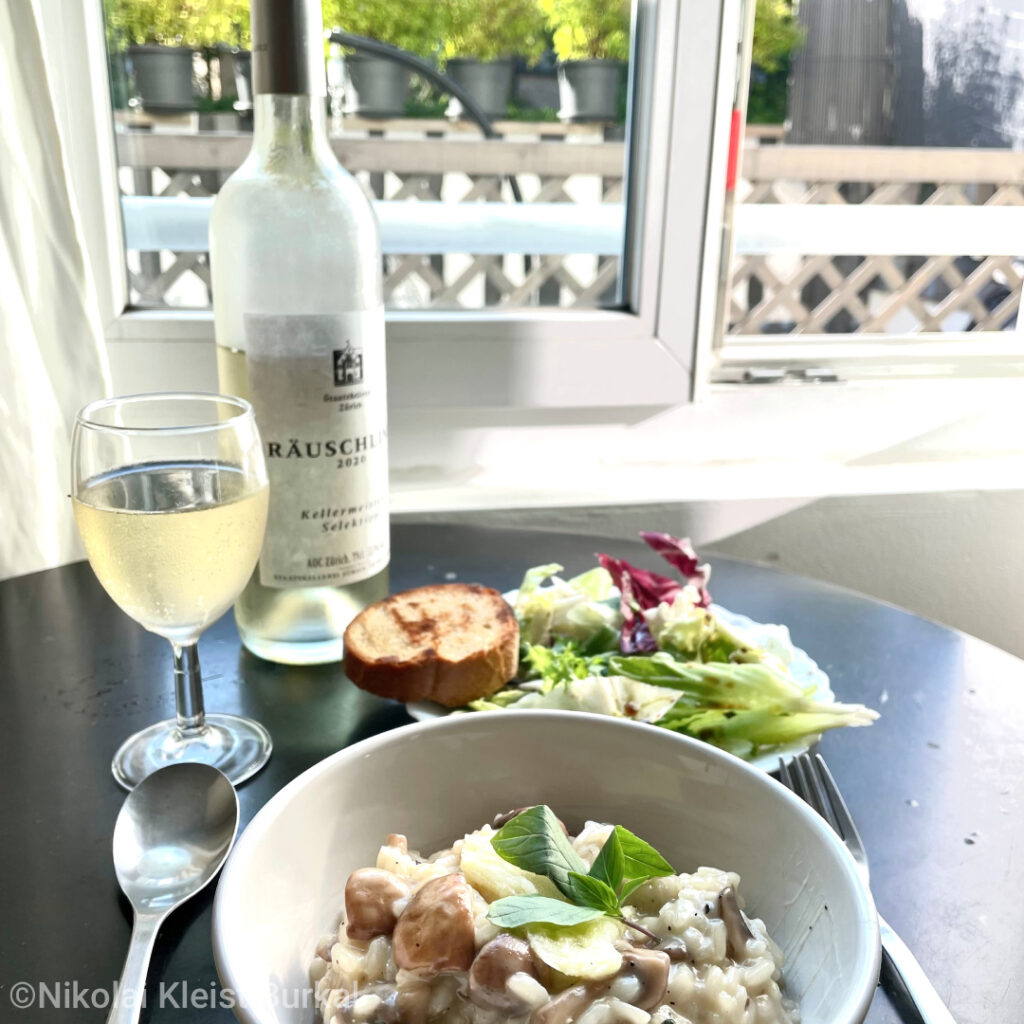
    Another grape variety worth mentioning, is the Räuschling, mostly found around Zurich. It also have a long history of cultivation, with earliest records dating back to 1546. Similar to Completer, it holds high acidity, but unlike Completer, it’s a light and citrussy white wine. It ages well, and can resemble Riesling over time.

    Wine Trends in Switzerland


    I sometimes get the impression that Swiss wine is perhaps a little misunderstood, perhaps more among visitors and expats living in Switzerland, since Swiss wine is not really accessible outside the country. Switzerland is a cool-climate country, meaning, wines produced here will naturally have good acidity, leanness, and freshness. If you are unfamiliar with the general lightness of for example Pinot Noir or highly acidic white wines often produced in cool-climate countries, you might be missing out on the finesse and elegance, which I find synonymous with Swiss wine craft.

    When looking at Swiss wine trends, you are really looking at domestic trends and consumption, and less about Swiss wine enjoyed on the international stage. In recent years, Switzerland has ranked 4th worldwide in terms of wine consumption per capita by consuming 29,7-31,8 litres per person per year (equivalent to 22-28 bottles), whereof around half the bottles were Swiss wine.

    In relation to global consumption, this is still a pretty high consumption per capita. But, the consumption seem to have been decreasing year by year. In terms of sales, local support for Swiss wine is still great, and is even growing compared to imported wines. It has long been the case that about half the wines purchased by Swiss consumers are local wines, and more or less the whole production of wine is consumed locally, meaning there is not enough wine to satisfy the local consumption, so some import is necessary.

    The topic has become politicised by Swiss wine associations, as concerns of cheap imported wines are squeezing out local wines. One of the concerns is that the cultural wine practices and know-how face existential threats. On the other hand, there seems to be two trends worth noting; people might be buying less wine, but they pay more per bottle, and German-speaking Switzerland seem to be doing pretty well, while Western Switzerland seem to be facing more difficulties.

    But those statistics alone doesn’t paint a full picture. Globally, there is a decrease in wine consumption, which can partly be explained be health consciousness (like the WHO’s “no safe level” campaign), consumer habits such as premiumisation of wine (consumers buying less, but spending more per bottle), and other trends like the boom in alcohol-free wine and beverages. My sense is that the same patterns are emerging in the Swiss market as well.

    Some Closing Thoughts

    The production of the most planted grape, Pinot Noir, might seem overwhelming, considering stiff Pinot competition from Burgundy, US, New Zealand, German Baden, or Chile. But the climate is well suited for it, there is an interesting in producing this prestigious grape, and it’s a very versatile food pairing wine, as well as its usage in rosé and sparkling wine. So of course, Switzerland should continue to produce its Pinot, especially if the demand is there.

    However, I personally find other grape varieties more interesting as Swiss products. The indigenous grape varieties like Petite Arvine, Räuschling and especially Completer (I’m aware I just named three white varieties), are not just interesting culturally, they are actually really delicious.

    Indigenous grapes, are great components in local story telling, as well as place marketing. They add a certain “flavour” to places you visit, or they make you want to visit certain places. Considering Switzerland’s two neighbours Italy and France, the two biggest wine producers in the world, Switzerland is a great place for wine lovers. You can find wine from anywhere around the world almost anywhere in Switzerland, as well as a great selection of local wines. It’s amazing to have that access. And it’s a great way to learn about a country and region.

    If Swiss wine has taught me anything, it’s that the most rewarding bottles are often the ones nobody told you to look for.

    Cheers!

    Further reading

  • For the Love of Grapes: Nero d’Avola

    For the Love of Grapes: Nero d’Avola

    This is where Art-Beats’ wine writing begins. As a certified wine lover, my efforts to continuously educate myself will not seize, and it is an opportunity to combine tasting with the history and cultural significance of Sicily’s princely grape, Nero d’Avola.

    I have found, that many wine guides often describe Nero d’Avola in a one-dimensional way, while I have come across styles of the wine that vary greatly. I have also encountered some prejudice towards the grape, that seem different from my own tasting experiences. So, this is my attempt to understand this wine grape better, and in a way that would also benefit others. After all, wine is a shared experience, isn’t it?

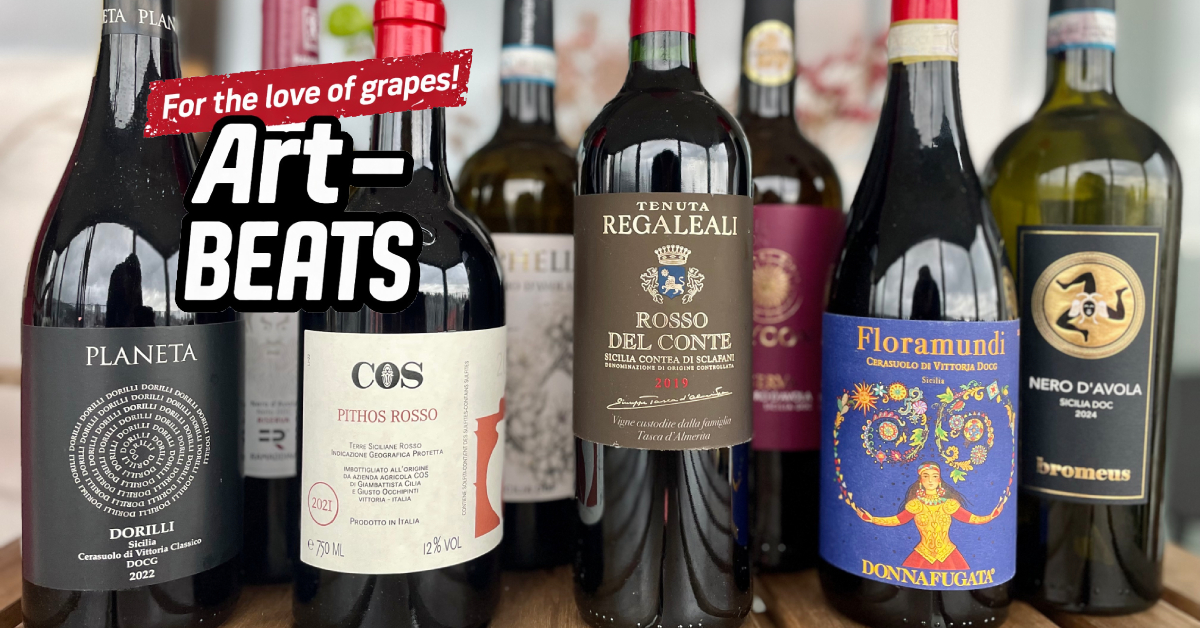
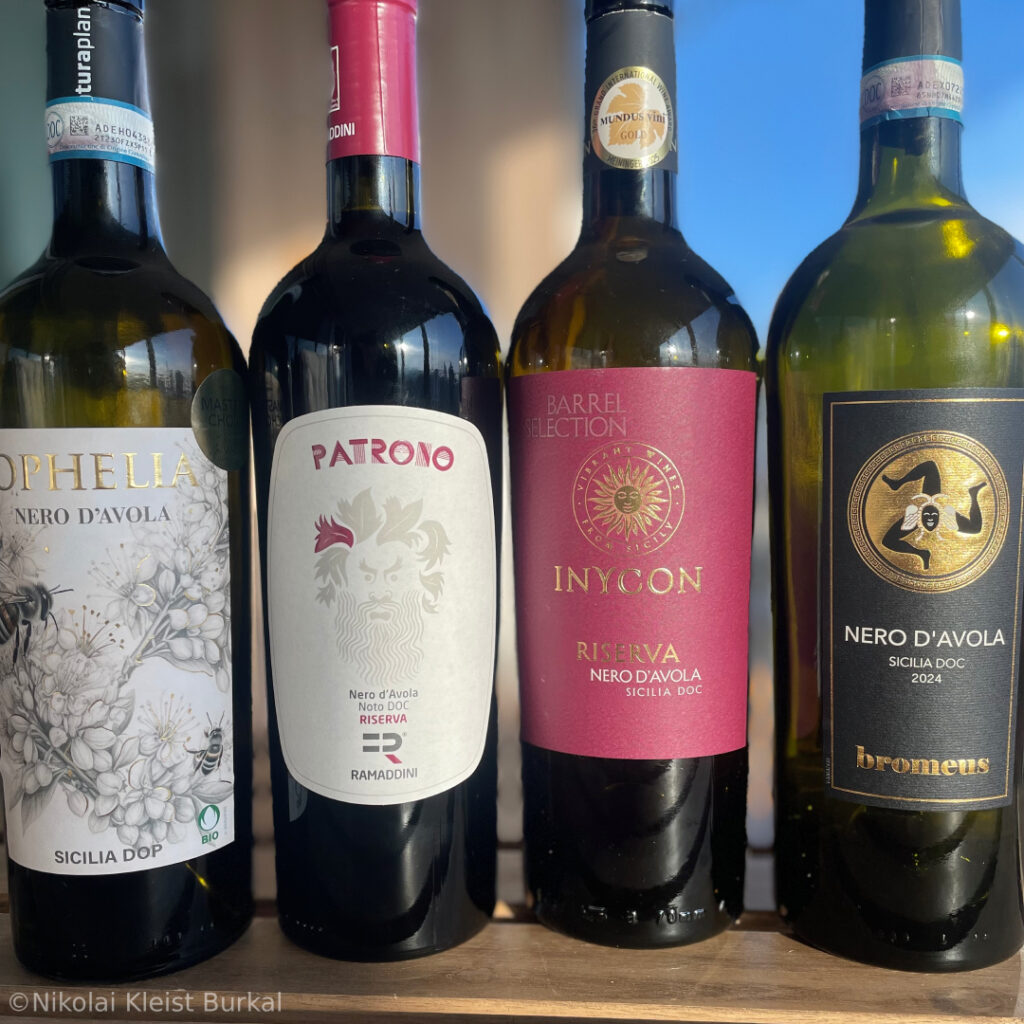
    Examples of Sicilia DOC and Noto DOC wines – all Nero d’Avola

    Why This Particular Grape?

    The inspiration came came a little bit out of nowhere. I was browsing a local supermarket with my partner, who hadn’t shown interest in wine throughout her pregnancy. Suddenly she joined me in the wine section and, to my surprise, reached for a Nero d’Avola. That was just what she felt like. You can imagine I was thrilled to have my tasting partner back!

    Over the past few years, I have built a small wine library while studying for the WSET, or collecting samples from my wine trips. Yet somehow, I’ve sort of overlooked Sicily’s flagship grape. The wine we chose seemed typical for Nero d’Avola: reasonably priced, bold and fruit-forward. Labelled with appellation Sicilia DOC from 2022, a ’Riserva’ (indicating at least some barrel-aging), and from Menfi in Western Sicily. The wine appeared with dark purple colour, well-balanced acidity and alcohol, present tannins, dark fruit-driven, like blackberry and black cherry, with hints of violet, vanilla, and liquorice. Altogether a nice tasty wine. Interesting enough to analyse, approachable enough to simply enjoy.

    This made me think: for the price, is this an underrated grape? I couldn’t recall ever encountering anything else than affordable Nero d’Avola wines. What’s the story behind this grape?

    Three Facts About Nero d’Avola

    The Name and Greek Origin: Though considered indigenous to Sicily, evidence suggests Greeks brought the grape over 2,000 years ago when settling in Southeastern Sicily. “Nero d’Avola” translates to “Black of Avola” referring to the grape’s dark skin and the town of Avola. In the 18th century, merchants misleadingly marketed it as “Calabrese” since nearby Calabria held more prestige in the French market. However, “Calabrese” may derive from the Sicilian dialect “Calavrisi” (meaning from Avola) or the Greek “kali vrisi” (good grape or good spring). These explanations underscore the grape’s ancient cultivation and possible Greek linkage.

    A Heat-Resistant Grape for the Future? Nero d’Avola thrives in Sicily’s Mediterranean climate, with very hot, dry summers averaging 30-35°C. The grape tolerates extreme heat where other varieties fail while retaining its wine character. This resilience has attracted attention from regions worldwide feeling the impacts of global warming, including South Africa, the US, and Australia.

    Renaissance and Saviour: Beyond climate adaptation, Nero d’Avola served as a workhorse during the 19th-century phylloxera crisis, which destroyed two-thirds of European vines. Its intense colour and high alcohol played a significant supporting role in helping the paler Northern Italian and French wines at the time, who were suffering from the crisis and was dubbed “le vin médecine” (medicine wine). It later transformation from humble blending grape to signature varietal began in earnest in the 1980s through the efforts of pioneering Sicilian winemakers.

    ©Tasca d’Almerita, Tenuta Regaleali estate in Sclafani, Sicily.

    The Pioneers Who Changed Sicilian Wine

    To understand Sicilian wine today, we must look at the pioneers in the 1980s and 1990s. Through their refined approach to Nero d’Avola, they transformed the quality and reputation of Sicilian wine, establishing it as a distinguished single varietal with a distinct expression.

    Giuseppe Tasca d’Almerita (Tasca d’Almerita): Perhaps the earliest pioneer, beginning his quality revolution in the 1970s at the family’s historic Regaleali estate. He was one of the first to recognise Nero d’Avola’s potential for producing age-worthy, complex wines when yields were reduced and vinification carefully controlled.
    Flagship wine: Rosso del Conte (1970).

    Franco Giacosa (Duca di Salaparuta): Revolutionised Sicilian winemaking in the 1980s by applying rigorous vineyard selection and blending Nero d’Avola with international varieties. He demonstrated that Sicilian wines could compete globally with elegance and structure, moving away from rustic, heavy styles. His approach to oak aging and emphasis on balance helped redefine what Nero d’Avola could achieve.
    Flagship wine: Duca Enrico (1984).

    Diego Planeta (Planeta): As president of Sicily’s Settesoli cooperative and founder of his family winery, Diego Planeta was the ‘architect’ of modern Sicilian wine. He conducted terroir research to understand soils and to figure out the right grape clones, introduced modern winemaking techniques like temperature-controlled fermentation and the use of barriques for ageing wine.
    Flagship wine: Santa Cecilia (1997).

    ©Donnafugata, estate in Contessa Entellina, Sicily.

    Giacomo Rallo (Donnafugata): Founded Donnafugata with his wife Gabriella Anca Rallo and pioneered terroir-driven Sicilian wines. He recognised that Nero d’Avola could produce wines of finesse and complexity when grown in the right locations and handled with care. His philosophy focused on respecting the grape’s character while employing modern techniques.
    Flagship wine: Mille e Una Notte (1995).

    COS (Giambattista Cilia, Giusto Occhipinti, Cirino Strano): Founded in 1980, this trio took a radically different approach, embracing natural winemaking, biodynamic viticulture, and ancient techniques like amphora fermentation. While other pioneers looked to modernisation, COS looked to the past, proving that Nero d’Avola could express profound terroir through minimal intervention.
    Flagship wine: Pithos Rosso (2000).

    The “Prince of Sicily” – Different Styles

    Nero d’Avola has earned the nickname the “Prince of Sicily” through remarkable versatility. From powerful, oak-aged bold wines to elegant, terroir-driven expressions, this grape has demonstrated great versatility.

    How to Identify the Style from the Label
    Unlike some regions where appellations strictly dictate style, Sicilian Nero d’Avola might require a little detective work:

    Appellation: Cerasuolo di Vittoria DOCG, is currently the only DOCG from the island (blended with other local grape Frappato) tends toward elegance and finesse, while sub-regions like Noto DOC can be full-bodied, as well as express leaner styles. Sicilia DOC hint a broad regional sourcing, and typically an approachable style of wine. Specific DOCs (like Noto, Etna, Eloro) are typically more terroir-focused, often of higher quality. The appellation level is more an indication of the strictness of requirements of the wine producers than a quality label, and is meant to set certain expectations of wines for consumers.

    Single-estate vs. cooperative: Single-estate wines (look for “tenuta” or specific vineyard names) usually indicate more terroir-focused approaches, while cooperative bottlings may lean toward approachable, fruit-forward styles.

    Alcohol level: Often, wines above 14% ABV signal riper fruit and fuller body, while 12.5-13.5% could suggest leaner and fresher wines, cooler sites or earlier harvesting for more freshness.

    Blend or varietal: a DOC or IGT wine labelled ‘Nero d’Avola’ alone means at least 85% Nero d’Avola, where a smaller percentage can include Frappato or other varietals. IGT classifications often indicate blends with international varieties like Cabernet Sauvignon, Merlot, or Syrah/Shiraz.

    Riserva” might appear on the bottle indicating extended barrel aging (it does not indicate large or small oak, new or old barrels). But, one can expect softer tannins, and aromas such as vanilla, tobacco, smoke, or spice notes. Most often these are fuller body wine with some added complexity. It is a style choice rather than a quality label.

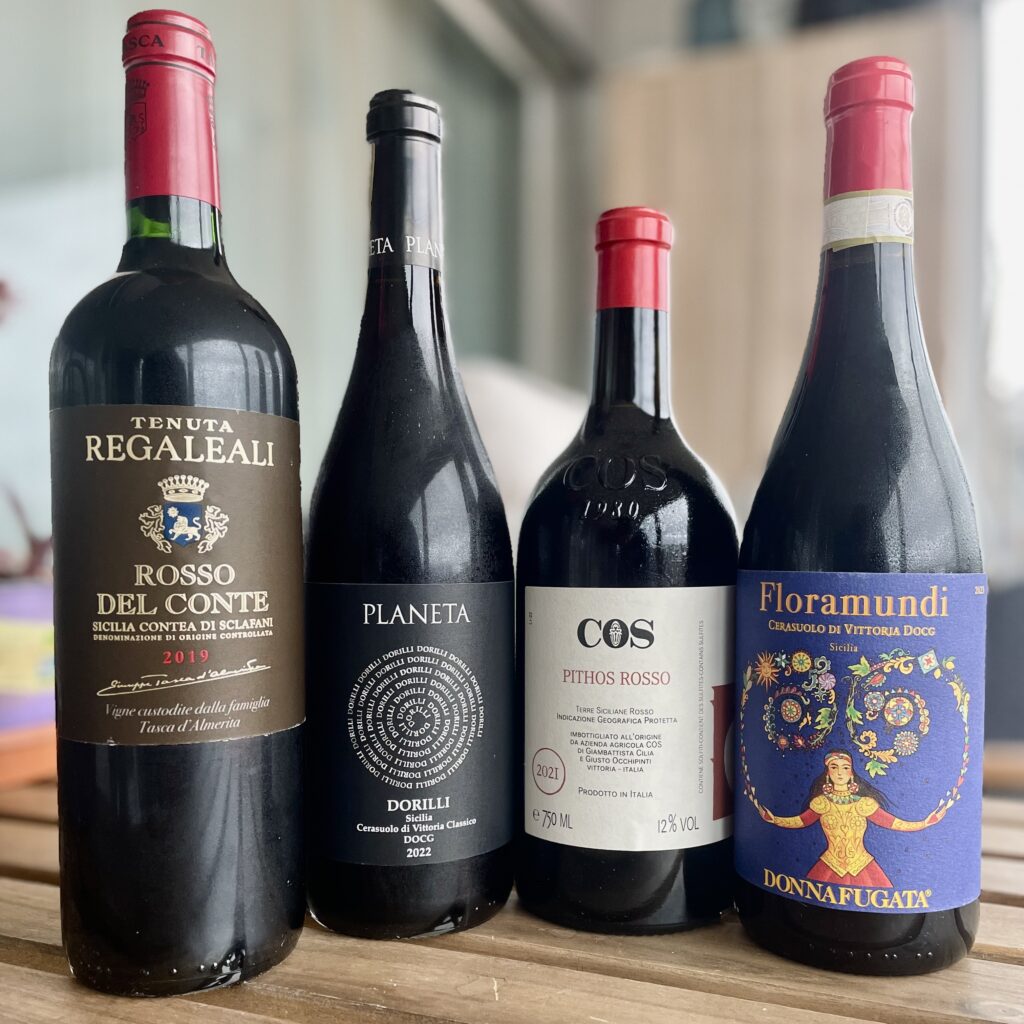
    Examples of DOC and DOCG wines from across Sicily’s sub-regions.

    Soils and Their Impact on Flavour

    Sicily’s geological diversity profoundly shapes Nero d’Avola’s character:

    Limestone soils: Locally referred to as “Terre Bianche” meaning white earth. Notably around Noto and Elope (southeastern Sicily. Provide excellent drainage and moderate vigour, yielding wines with pronounced “minerality”, elegant structure, bright acidity, and refined tannins.

    Clay soils: Notably Menfi and Sambuca di Sicilia. Retain moisture during hot summers, can produce fuller-bodied wines with riper fruit character, softer tannins, and generous texture—but sometimes less acidity.

    Volcanic soils: Famously found around Mount Etna and parts of western Sicily. Contribute distinctive mineral complexity, smoky notes, and saline quality. The porous nature provides good drainage while adding depth to the wine’s profile.
    This soil diversity means that Nero d’Avola from Noto tastes markedly different from wines grown in Contessa Entellina or near Etna’s foothills.

    Main styles comparison to other wines

    Nero d’Avola is a bit of a chameleon grape. It is known as a versatile grape that is good at expression different terroirs. However, I see many wine guides and sites describing it, and maybe a bit too general and simplified, as just a bold black fruit driven wine with power and high alcohol. In my experience, there is not one overall style of Nero d’Avola wine, so this description can perhaps confuse consumers.

    The combination of soil, vineyard aspect, and winemakers’ choices (like harvest timing, blending, and ageing) ultimately determines the style of each example of wine, but I find, there are two main types that can be identified; the bolder and the lighter styles.
    I would love to just say, in southeast Sicily they produce leaner and elegant red fruit-driven wines, and Central Sicily, they produce bolder black fruit-drive wine. But, it is not always that straight-forward.

    Bolder Styles – this style is usually characterised by aromas of dark fruit (like blackberry, black cherry, plum), jam and liquorice, and with oak-ageing notes of chocolate, tobacco, and vanilla. These often have a higher alcohol content (14%+). The tannins are often more “structured” (meaning prominent and mouth-drying) and contributes to wines age-worthiness. These styles of Nero d’Avola are sometimes compared to Cabernet Sauvignon, Syrah/Shiraz, and Primitivo/Zinfandel.

    Lighter Styles – this style is more characterised by fragrant aromas of red fruit (red cherry, raspberry, and strawberry), and dried herbs, but likely less oak ageing to preserve the freshness and fruit character. This style is likely to be less tannic, and can resemble a bolder style of Pinot Noir or leaner style of Grenache.

    Super Sicilian Blends – additionally, to the styles above, many producers craft blends combining Nero d’Avola with international varieties. Nero d’Avola + Cabernet Sauvignon adds structure and aging potential. Nero d’Avola + Syrah creates exotic, spicy wines. These blends typically carry IGT designations, allowing creative freedom.

    Premiumisation and Authenticity

    The global wine market is experiencing a dual shift; producers moving toward quality over quantity (premiumisation), while consumers increasingly seek authentic, distinctive wines, and especially native grapes that tell a story of place.

    Nero d’Avola embodies this perfectly. Once dismissed as rustic bulk wine, it has transformed into Sicily’s signature grape—a cultural ambassador representing the island’s sun, soil, and heritage. The global Nero d’Avola market was valued at approximately USD 1.43 billion in 2024, with steady growth projected through the 2030s, driven by rising wine tourism, growing interest in indigenous varietals, and increased organic production.

    Nero d’Avola’s appeal lies in its authenticity and versatility due to its expressive fruit character, food-friendly nature, and often approachable pricing make it accessible to casual drinkers and enthusiasts alike. It now confidently stands alongside established European reds while maintaining its distinctive Mediterranean personality—proof that local identity and global recognition need not be mutually exclusive.

    However, don’t judge by one bottle—try different sub-regions and styles to discover your preference and understand this versatile grape’s range. Cheers!

    For further reading

    See also related articles:

  • Art Genève 2026 and Indigenous Presence in Contemporary Art

    Art Genève 2026 and Indigenous Presence in Contemporary Art

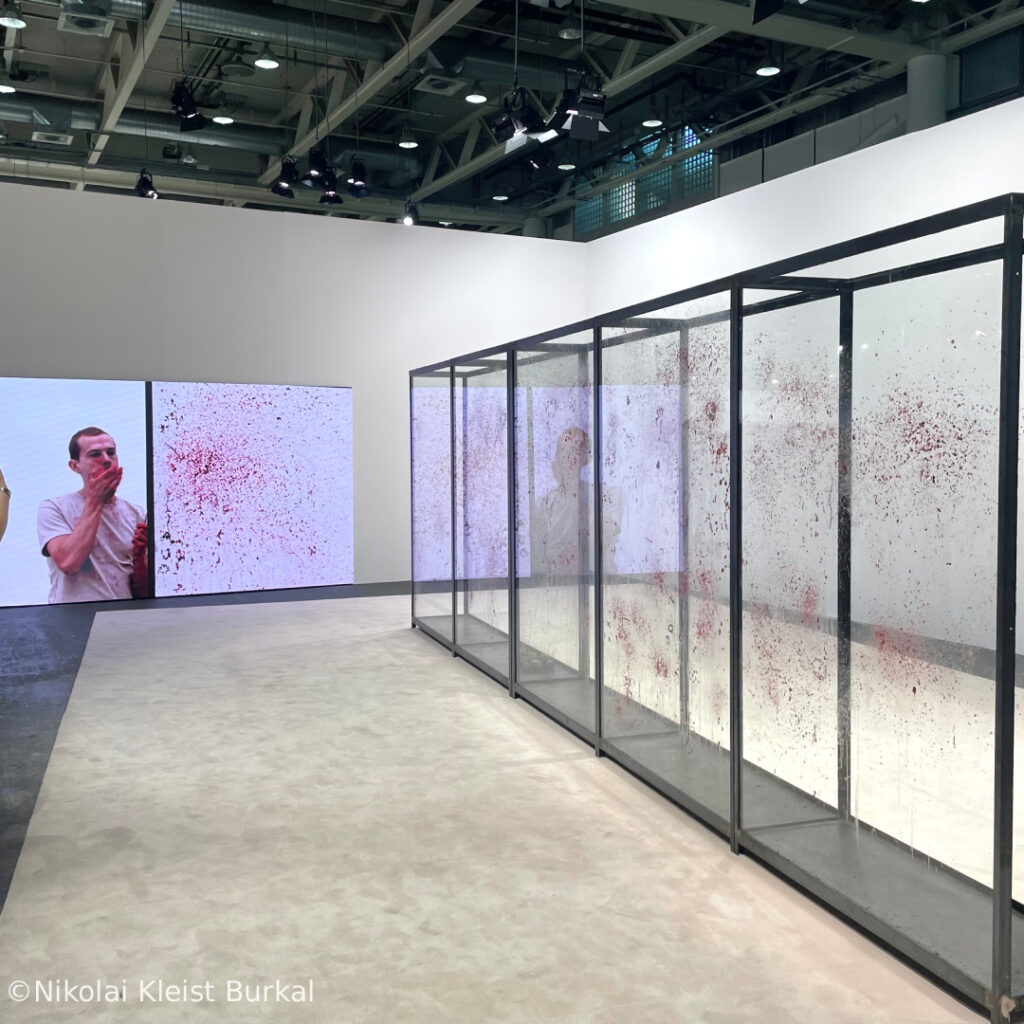
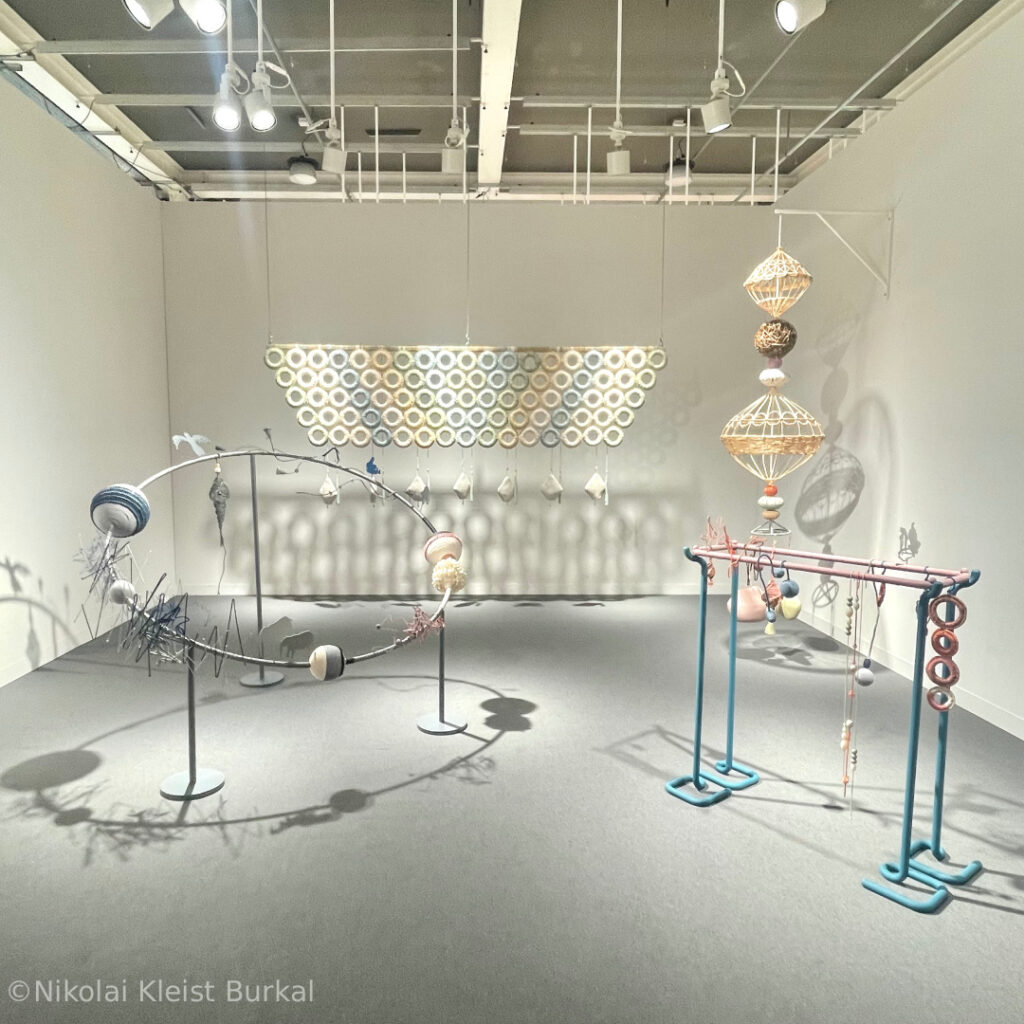
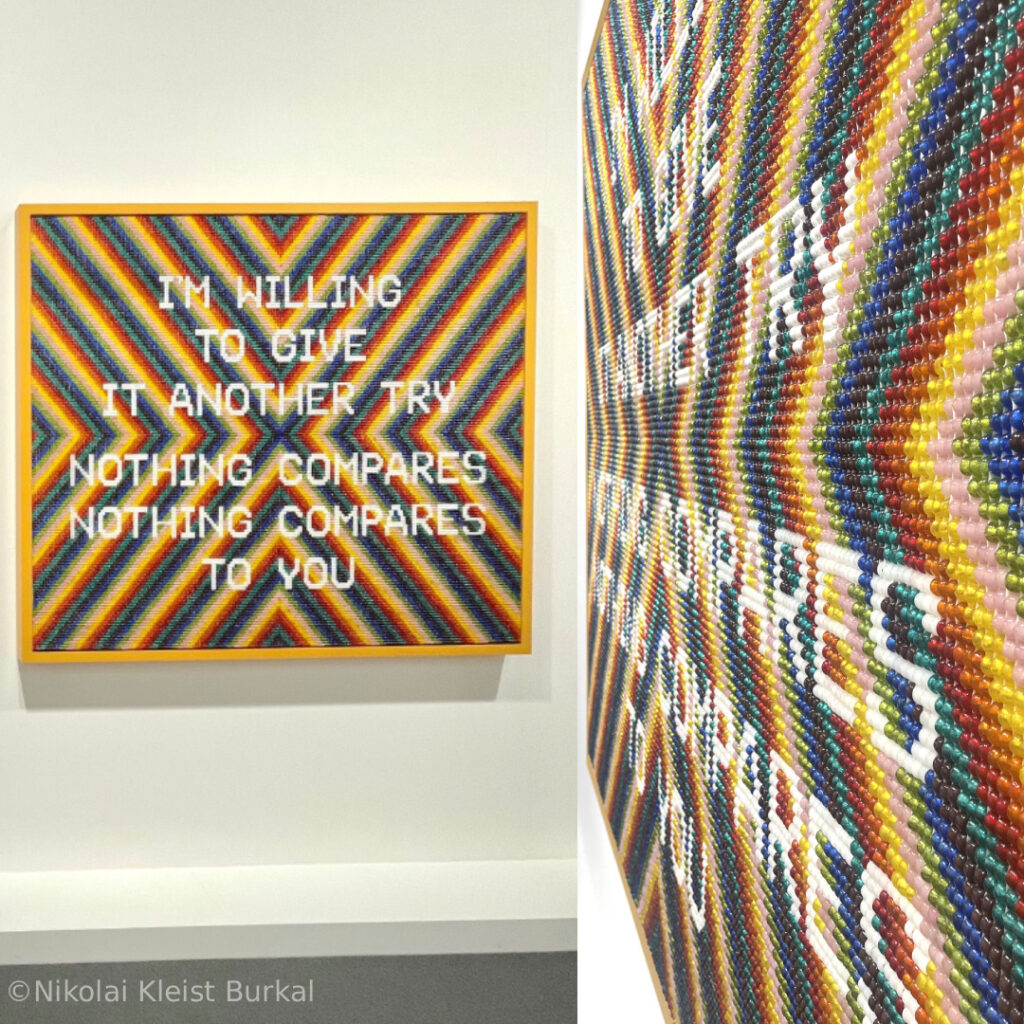
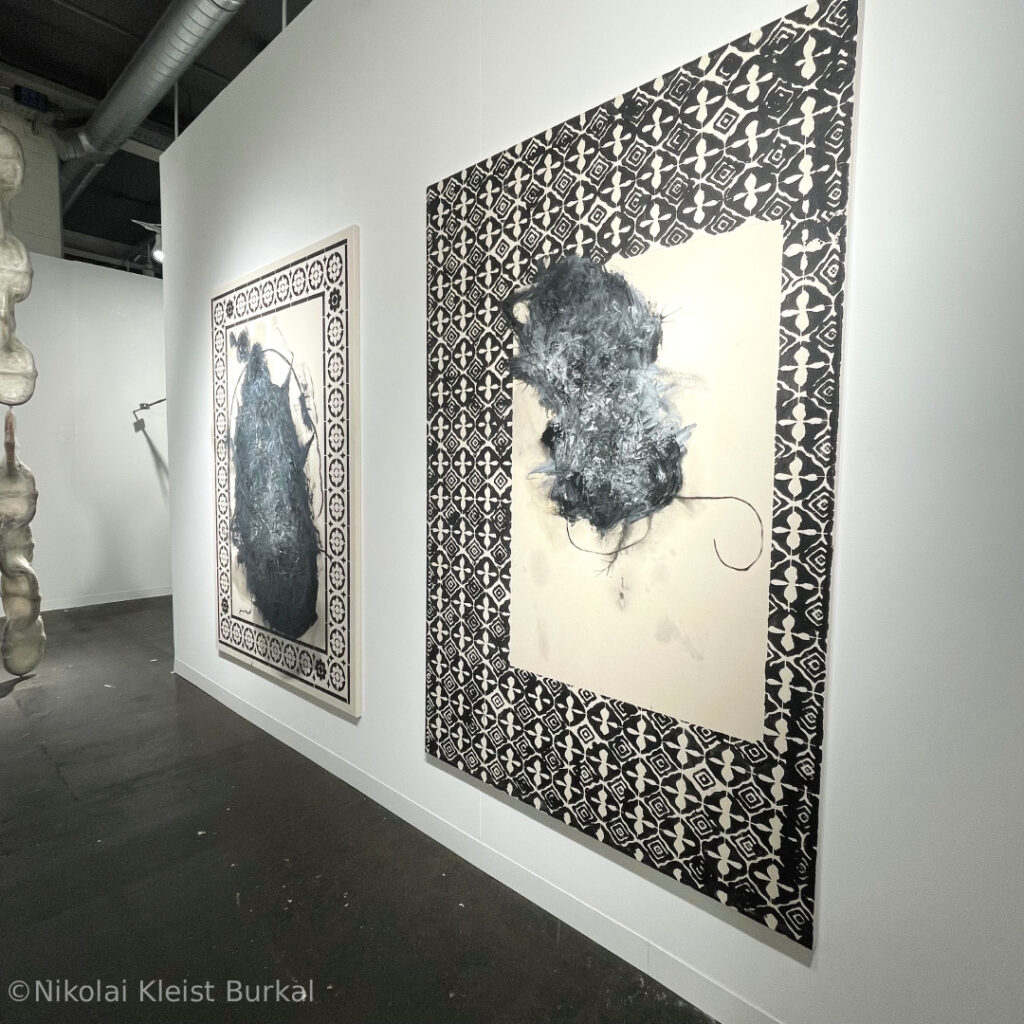
    Art Genève has just wrapped up its 14th edition. Art-Beats was on site to casually take the pulse of the market, speak with gallerists, and detect any recurring themes at this year’s fair, held from January 29 to February 1, 2026, at Palexpo in Geneva.

    Booth B31 Templon, Paris/Brussels/New York

    The fair at a glance
    Art Genève is arguably the second most prestigious art fair in Switzerland, following Art Basel. Often described as a “boutique” fair, it distinguishes itself through its smaller scale and strong curatorial focus. This year’s edition hosted around 80 galleries presenting modern and contemporary art.


    The fair maintains a strong connection to particularly francophone regions, attracting galleries and visitors from Swiss Romandy, Paris, Quebec, and Montreal. Beyond the main booths, Art Genève also features Special Projects, dedicated to foundations, institutional collections, and private collectors, as well as Solo Shows sections, allowing galleries to focus on one artists and more curated booths.


    One of the Special Projects was MAMCO Genève’s (museum of modern art) booth, which functioned as a live exhibition of works the museum planned to acquire during the fair. Beginning empty and gradually filling with newly purchased works, the booth made the acquisition process visible and inclusive — a bit unusual and somewhat refreshing gesture for an institution.

    Booth B39 gallery Semiose, Paris


    Several booths also showcased art award nominees. Luxury watchmaker Piaget continued its support by awarding the best Solo Show presentation at the fair, with the winning work entering MAMCO’s collection. Similarly, the Prix Mobilière 2026 presented seven nominated artists for their contributions to the Swiss art scene. These initiatives demonstrated how sponsorship can meaningfully strengthen collaboration between institutions and the market.

    Art talk “Contemporary Australian Indigenous artists”

    Some Art Talks topics

    As every year, Art Genève hosted a series of public talks. A recurring theme was the Responsible Art Market (RAM) – Art Market Perspective, which celebrated its 10th anniversary. The discussion addressed sustainability in the art world from multiple angles, including shipping practices, tax reforms, inheritance, and the economic sustainability of artistic careers. RAM continues to provide practical toolkits focused on due diligence, provenance research, and combating money laundering within the market.

    Exhibitors preparing at Art Genève


    Another theme, which I found particularly interesting, was the attention to indigenous presence in contemporary art. One talk I was looking forward to — Contemporary Australian Indigenous Artists — ultimately felt more like a presentation than a discussion and lacked depth on individual practices and introduction to artists and their works. Still, it touched on important topics such as oral traditions, the cultural significance of dreaming, which connects people with ancestral narratives in connecting past and present.

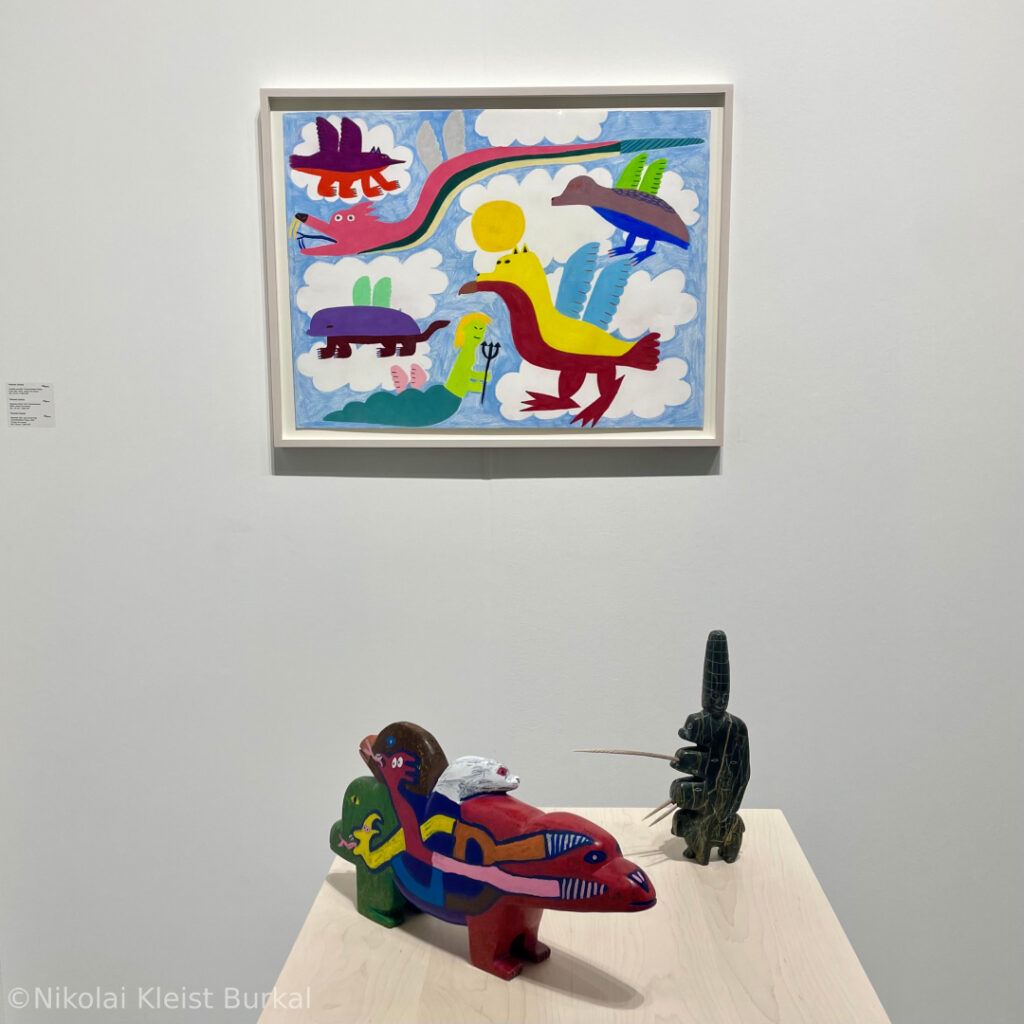
    Pitseolak Qimirpik’s Solo Show at D23 gallery Chiguer Art Contemporain, Montréal/Québec

    Highlights of the fair
    While it was enjoyable to reconnect with exhibitors and familiar art-world figures, what stood out most this year were the Solo Show presentations. Around 30 solo shows were presented by international galleries, many of which felt more focused and thoughtfully curated than standard booth displays.


    As a Danish-Greenlandic artist myself, I was particularly drawn to the solo presentation of Inuit artist Pitseolak Qimirpik (b. 1986, Nunavut, Canada) at Chiguer Art Contemporain, led by owner Abdelilah Chiguer. Seeing a solo exhibition by an Inuit artist at a well-established European fair felt significant, and made me think about the positioning of indigenous contemporary artists in general.

    Pitseolak Qimirpik’s Solo Show at D23 gallery Chiguer Art Contemporain, Montréal/Québec


    This presentation raised broader questions about how indigenous artists are positioned within the contemporary art market. As the art world increasingly focuses on previously marginalised voices — including artists from developing regions, women artists, and Indigenous communities — it remains unclear how these practices are expected to adapt to a well-established Westernised art market system, and whether that adaptation risks compromising cultural specificity.


    I don’t have definitive answers, but after an initial walkthrough, this was the booth that stayed with me, because it felt relevant — despite the fair also featuring blue-chip names such as Lee Ufan, Yue Minjun, Anish Kapoor, Paul McCarthy, and post-war figures like Hans Hartung and Karel Appel.

    Booth C20 Mennour, Paris


    Other solo presentations were equally engaging. Gallery espace_L’s exhibition of Jan Steenman’s ceramic, shelf mushroom-like sculptures reflected a broader trend I’ve noticed recently: contemporary ceramics increasingly occupying space within fine art galleries. Several other galleries such as Taste Contemporary from Geneva and the art association SALTS from Basel were also exhibiting ceramic sculptures, and I am wondering if there is an increased demand for these? It seems like it.

    Further Reading

    See also related articles

  • Art and Wine: Creativity, Taste, and the Trained Senses

    Art and Wine: Creativity, Taste, and the Trained Senses

    Since its launch, Art-Beats has been driven by a curiosity for artistic practice, visual arts, and cultural expression. But cultural disciplines do not exist in isolation. They are expressions of a shared cultural fabric, shaped by overlapping histories, practices, and ways of sensing the world. Culture unfolds across rituals, tastes, places, and shared experiences.


    As Art-Beats evolves, its focus aims to expand to include other cultural forms that shape how we perceive, evaluate, and enjoy the world around us. Wine, with its deep ties to craft, history, place, and social life, is one of them. This is not a departure from art coverage, but an extension of the same curiosity, approached through different sensory experiences.


    A Shared Cultural History: Art and Wine in Dialogue

    Caravaggio, Bacchus (c. 1598). Uffizi Gallery, Florence.


    The relationship between art and wine is also deeply embedded in cultural history. Wine has been a recurring subject in fine art for centuries, from Caravaggio’s Bacchus to the convivial scenes of Dutch Golden Age still life paintings or vanitas, where wine symbolised abundance, indulgence, and moral tension, like the fleeting nature of earthly pleasures and worldly pursuits.

    In contemporary culture, the dialogue between art and wine has become increasingly deliberate and conceptually rich. One of the most enduring examples is Château Mouton Rothschild, which since 1945 has commissioned leading artists to design its annual labels, including Pablo Picasso, Andy Warhol, and Gerhard Richter. These wine labels have become cultural markers, embedding each vintage within the artistic language of its time and transforming the bottle into a collectible object that carries both aesthetic and historical value.

    Pieter Claesz, Still Life with Herring, Wine and Bread (1647). Los Angeles County Museum of Art, Los Angeles.

    More recently, artists have begun to engage with wine not only as surface but as form and narrative. Daniel Arsham’s reinterpretation of the Moët Impérial bottle, rendered as a futuristic archaeological artefact, repositions the champagne as an object suspended between past and future, consumption and preservation. The work echoes Arsham’s broader practice of imagining contemporary objects as relics, and in doing so, invites reflection on how cultural value is constructed and remembered.

    Beyond high-profile collaborations, a growing number of producers are embracing art-inspired labels and artist partnerships as a way of articulating identity, place, and philosophy. In these cases, visual language becomes a means of storytelling, offering an entry point into the wine’s origin, values, and sensibility.

    Passion Assets, Perception, and Experience

    Luxury wines, some with hand-painted labels displayed at Tenuta Torciano Winery in Tuscany, Italy

    Art and wine are often spoken about in the same breath, usually at gallery openings or long dinners where conversation flows as easily as the glass. In financial portfolio management, as defined by the CFA Institute, they are even considered part of the same asset class, categorised as passion assets or collectibles. But the connection between them runs deeper than social ritual. At their core, both art and wine are assessed through systems of perception. They encourage engagement. Demand attention. Evoke curiosity. A willingness to learn how to look and how to taste. And perhaps most importantly, both art and wine reward presence.


    Neither experience is passive. An artwork does not always reveal itself at first glance, just as a wine rarely tells its whole story in the first sip. Both often require a slow activation of the senses, guided by knowledge and personal experience. By intentionally looking, we learn to see brushstrokes, composition, expression, and intention behind an artwork. Sip by sip, we learn to taste structure, balance, acidity, texture, and finish of a wine. Over time, our perception sharpens. Pleasure and appreciation deepens.

    Assessment, Criticism, and Contemporary Pressures

    There is also a shared discipline of assessment. In wine, we speak of structure, typicity, and expression. In art, we evaluate form, coherence, and emotional resonance. Both fields balance subjective response with trained judgement. You can love a wine that breaks the rules, just as you can be moved by art that resists categorisation or conventions. But even rebellion gains meaning when you understand what is being challenged.
    Both art and wine are also shaped by ongoing criticism, debate, and shifting evaluative frameworks. In wine, discussions increasingly centre on how climate change is altering traditional styles and regional identities, how producers respond to evolving consumer expectations around sustainability and moderation, and how economic pressures affect production and distribution. These debates challenge long-held notions of typicity and quality, prompting producers and critics alike to reconsider what excellence looks like in a changing world.

    In the art world, assessment is similarly influenced by broader cultural and structural pressures. Questions of access, visibility, and economic sustainability continue to shape artistic practice, alongside debates about how digital platforms, institutional gatekeeping, and global audiences redefine value and authorship. At the same time, artists are navigating expectations around authenticity, social relevance, and cultural responsibility, often working across disciplines and formats that resist traditional modes of critique. In both fields, judgement is no longer fixed but negotiated, reflecting a cultural landscape in flux.

    Final Thoughts

    In a culture increasingly shaped by speed, algorithms, and instant gratification, this is where art and wine quietly align. They remind us that aesthetic experience is not consumed but cultivated. It is built through repetition, reflection, and openness. Through tasting widely. Through looking closely. Through research and experience, yes, but also through feeling and sensing.

    Further Reading & Sources:

  • Art and Rarity: Originals, Editions, and Reproductions

    Art and Rarity: Originals, Editions, and Reproductions

    What does uniqueness of an art work mean – and what influence does rarity have in today’s art market?

    The question is rooted in my own initial discontent of the commodification of fine art. Perhaps, due to a tendency of romanticising important or relevant fine art as unique or “one of a kind”, which is a dangerous thing to do. This thought might narrow your mind to “what art should be” as a reaction to “what art has become”. So, in an effort to educate myself, and better explain this aspect of art production to others, I am here looking into the levels of rarity art may be produced under, and why does this matter.

    From ancient Chinese woodcuts to Andy Warhol’s silk screen prints, the tension between originality and reproduction has always been central to the art world. Today, with artworks sold everywhere from international fairs to online platforms, understanding the difference between unique works, editions, and reproductions may seem useful – for artists, collectors, and audiences alike.

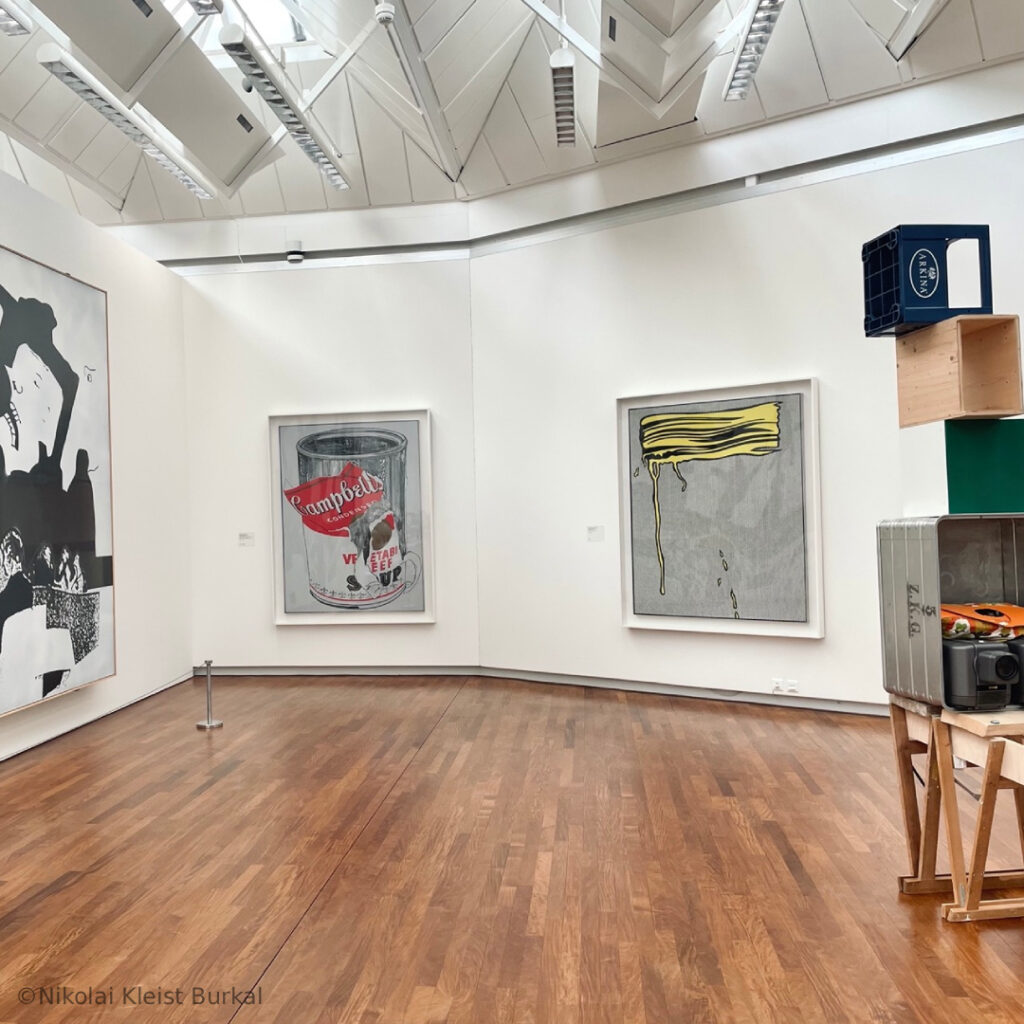
    Kunsthaus, Zurich

    3 Encounters with Art Rarity

    My reflections on this topic stem from a couple of personal encounters:

    The Picasso Print: A friend once asked me about a lithograph advertised as a “Picasso” for around $500. My friend asked me why it was so cheap, and whether it would be a good purchase. The real question wasn’t whether the piece was authentic, but whether it was a limited edition, an open edition, or simply a fancy poster. Rarity, as well as who produced or printed it, as well as the quality of the edition, could determine the value.

    An Yves Klein in Manila: At Art Fair Philippines some years ago, I saw what appeared to be an ultramarine coloured sculpture advertised as Yves Klein’s Blue Venus. The work, I later researched, was conceptualised by the artist, but was only produced after the artists death in limited production of 300 sculptures. The work is dated 1962/1982 for when it was initially conceptualised, and when it was actually produced with authorisation by the artist’s estate 20 years after his death – it was priced around $100,000. This triggered some questions in me; was this an ambitious effort to democratise Klein’s work, or a bold attempt to commercialise a legacy? You can find editions of this sculpture at many prominent museums and galleries around the world, which adds legitimacy and value to this posthumous work. See an example of one of the editions here on The Met’s website.

    Edition-Only Galleries: In cities like London and Paris, I’ve passed by gallery streets selling, sometimes exclusively, certified prints, editions, and replicas. These spaces illustrate how entire business models can revolve around the reproducibility of art. These galleries also often appear in major art fairs, selling artworks by the likes of Francis Bacon, Dalí, or Basquiat. The artworks represent a mid-range segment of the market, between very affordable and very expensive blue chip art.

    Each of the experiences above revealed how fluid the boundaries are between original, edition, and reproduction – and how much these definitions matter in shaping perception and price.

    Art Zurich 2022

    Why Rarity Matters in Art

    As mentioned, art is sometimes romanticised as “one of a kind.” We imagine the solitary artist creating a singular masterpiece, preserved in time. But reality is more complex, and there are different reasons why it would make sense to break up a unique artwork into limited editions and reproductions.

    Today, the art markets thrive on accessibility, affordability, and scalability. Collectors now navigate a spectrum of artworks – from originals to certified editions, prints, and posthumous reproductions. Each category raises important questions about value, authenticity, and intention.

    Rarity plays a crucial role in setting expectations. For collectors, understanding whether a piece is unique, limited, or open edition directly affects the assessment of its value. Editions inevitably reduce a work’s uniqueness, but that does not necessarily diminish its quality. Compared to unique works by the same artist, editions are typically more affordable, though it can be argued that editions can reduce the cultural weight of each individual piece.

    It is also important to distinguish between editions and variations. Variations – like Edvard Munch’s The Scream, exists as several oil paintings and pastels – are variations of the same motif across different media. Editions, by contrast, are identical works produced in a numbered or open series, which would be the lithographic prints of The Scream. Nowadays, all the artworks produced during the artist’s life would be considered important, while the earliest completed version from 1893 produced with oil and tempera on cardboard would arguably be the most famous and studied version. Read more about the work on the MUNCH Museum’s website.

    When Art follows Technology

    The medium of an artwork dictates the possibility of producing art in editions. Like fine art photography, video art, or digital art, artworks can practically be reprinted or redeveloped in as many copies as needed, if the owner possess the negatives or original file. In some instances, the artist may choose to only print a photo in a limited number, choose high quality prints that are difficult and costly to make to ensure quality and integrity of the work. For digital art, the artist may choose to sell the original file or as a non-fungible tokens (NFTs), where uniqueness is secured by a distinct digital code stored on blockchain. The NFT market, which saw a boom in 2021 followed by a steep decline in 2024, is still considered an emerging market as reported by Art Basel in 2024.

    Originals, Editions, and Reproductions: What’s the Difference?

    • Unique Artworks: Paintings, sculptures, or installations created as singular pieces. These works embody the “one-of-a-kind” ideal and includes variations on a theme.
    • Limited Editions: Prints, photographs, or multiples produced in a set number. Each is signed and numbered, often retaining significant value.
    • Open Editions: Works reproduced without a set limit—making them more affordable, but less rare.
    • Reproductions: Replicas of existing works, sometimes produced posthumously. These can be authorised by estates or entirely unauthorised.

    It is important to note, that some artworks are only produced as prints, often in editions, but they are not reproduction. These prints are each considered original prints, as the artwork can be carved out on wood, etched into a copper or zinc plate, or drawn on lithographic stone.

    Understanding these categories helps collectors set realistic expectations while giving artists different ways to balance accessibility with financial sustainability. Not every artist can make a living solely from selling unique works one-by-one, and some mediums are especially well-suited to editions. At the same time, editions and reproductions can sometimes feel as though they dilute the intrinsic value of art, reducing it to something more commercial, like derivatives of original works.

    There seems to be a fairly large interest in prints and editions, with the secondary market for mid-segment (below USD 50.000) made up 7% of the art market in 2024, according to MyArtBroker. I would still make the argument, there is a big difference between editions made by the artist’s hand or supervision, and posthumous editions that are banking on the artist’s legacy. For collecting purposes, it is always relevant to ensure a certificate of authenticity, check for artist signatures, check whether edition is numbered, and whether date of print corresponds to the artist’s lifespan.

    For buyers, the key is to recognise these distinctions. Price is one factor, but of course, the most important question to ask yourself remains simple: Do you like the artwork?

    Art14 London

    Opportunities and Challenges of Editions

    Producing editions can be a lifeline for artists. It allows them to:

    • Reach wider audiences at lower price points
    • Create steady income streams alongside unique works
    • Engage with techniques like photography, printmaking, and digital media

    But editions also raise challenges:

    • Prints on paper can be fragile over time
    • Oversupply can dilute artistic value
    • Posthumous reproductions may spark ethical debates
    • Commercialisation risks turning art into pure commodity

    Some Closing Thoughts

    The rarity of an artwork is not just about economics – it’s about meaning. When a work is produced as a unique piece, its singularity becomes part of the story. When it is reproduced, its accessibility carries a different kind of cultural value.

    It can be argued, that the artistic integrity and value can still be preserved if the editions are treated like originals, in the sense of documenting, numbering, and certifying each piece. Unlimited quality prints can be considered high-end posters, which is completely fine, as long as this is transparent and clearly communicated to the buyer.

    Perhaps the key is not to treat rarity as a hierarchy, but as a spectrum of artistic practice. Unique works, limited editions, and even reproductions all have their place – provided we understand their context, purpose, and artistic intent.

    For further reading:

  • Art Geneva 2025 and thoughts on art archiving

    Art Geneva 2025 and thoughts on art archiving

    Art Geneva 2025 took place from 30th January to 2nd February 2025 at the Palexpo in Geneva. This was the second time I visited the fair, and I was curious to see how this mid-sized art fair was developing.

    Art Geneva is significantly smaller than Art Basel and Frieze. It hosted around 80 galleries, divided between those displaying catalogues of artists and those focusing on solo shows. There was a curated section for larger works and two spaces dedicated to awardees and the recognition of Swiss artists. In addition, there was a café, a bar, a restaurant, a partners’ lounge, booths for publishers, and an art talk space.

    But what I found interesting in this fair, was the art talk about the practices of art archiving.

    Art Geneve 2025, art talk space

    Archiving art
    I started my visit by attending the art talk “Archivorum Ark – Chapter 2: The Practice of Archiving Art and Bridging Time and Memory.” I recognised this theme from last year; I suppose that is what they meant by Chapter 2. The dedicated art talk space was larger and much better staged than in 2024.

    It took a while to introduce the panelists, but through their introductions, you already gained a good overview of the theme and the practices surrounding the archiving of art. This is not a theme I have given much thought about in the past, but it raised some interesting points. What happens not only to all the artworks in an artist’s private possession but also to all the notes, photographs, sketches, diaries, or any other supporting documentation that might help others understand the artist’s life, thoughts, and art process when the artist passes away? What are the practices for gathering and sorting this material, who keeps it, and what is it used for?

    It is interesting because not all artworks are suited for sale, and not all museums can store full archives of all artists. So, who maintains these materials, and what are the methodologies used for preserving them?

    It is easy to imagine that some blue-chip artists have extensive and valuable material stored in large museums, especially museums dedicated to specific artists. Similarly, galleries representing the estates of famous artists often hold a considerable amount of material, including archives of artworks. But what about lesser-known artists, or those deemed historically important after they have passed away?

    Artist legacy and the preservation of ideas are key topics and challenges in the role institutions play in educating, mediating, and curating exhibitions for the public. In this context, good cataloguing and archiving practices seem essential. This is particularly true for exhibitions that publish art books alongside the exhibitions themselves. Achieving this requires, first and foremost, someone dedicated to the task, gaining access to the stored documentation, and possessing the expertise to catalogue, digitise, and organise this information for specific or future use.

    That is where Archivorum Ark seems to come in. It is a relatively new organisation, established in 2023. It manages a library, organises public events, and conducts research projects. Its aim is to preserve, provide research, and educate about artists’ archives from around the world. Projects can be granted to artists or other art professionals who have a specific research project in mind, which might result in public events or publications, such as artists’ books.

    I think this initiative has a fantastic philosophy and concept. It raises important considerations about what happens to all the art we, as artists, produce. How do we document our work and process, if at all? And how do we properly hand over artists’ archives to researchers and custodians?

    Art Geneve 2025, Von Bartha gallery

    Responsible Art Market Conference
    The 9th edition of the Responsible Art Market Conference (RAM) is an annual event that takes place at the Palexpo during Art Geneva. It was held on Friday, 31st January, so I was unable to attend, but I thought it would be relevant to mention.

    Like the practices of archiving art, this conference also seeks to address and solve practical challenges in the fine art world. Art experts attending the conference discussed topics such as artwork commission contracts and pricing, responsible art market practices, non-resale clauses, and the impact of art speculation on the sustainability of artists’ careers.

    Some of the topics seemed to address broader issues, while others focused on specific and practical challenges. From my experience and work with ESG risk data, I know that words like “responsible” and “sustainability” should be used with care, as these terms are often exploited as smokescreens to make poor practices appear better than they are. I am not suggesting that this is the case here, and since I did not attend, I can only share the details about the conference’s intentions.

    That being said, the topic of fine art and sustainable practices is an important one, and I should consider dedicating a separate article to this subject.

    Art Geneve 2025, galleries at fair

    The fair as a whole
    Looking at the rest of the art fair, I think there was a good mix of young and established artists. I counted about 30 galleries from or based in Switzerland, 24 from France, a few from Italy, Belgium, and the UK, as well as four Asian galleries. There were 30 solo shows, meaning galleries exhibited artworks by a single artist. I think this was a great approach. It signals the intention of galleries to highlight an artist, allows them to curate their booth more effectively, and, for future sales, the gallery can mention to potential buyers that the artist had a special show at this fair. As a fair visitor, it also provides a better understanding of the individual artist’s ideas and concepts.

    I must note, having attended many art fairs, there are some artists you can always expect to see, such as Lee Ufan’s signature minimalist brushstroke paintings, Günther Förg’s multi-coloured grid paintings, there are always a couple of Picassos, and reproductions of Francis Bacon or Salvador Dalí in ghastly golden frames. While I understand there is a market for reproductions, I tend to skip them. I could dedicate a whole article to editions and reproductions, which could be another idea for the future.

    All in all, Art Geneva was a positive experience. I gained a quick insight into some of the current discussion points in the art world. In terms of the art itself, I did not experience anything particularly new or groundbreaking, but that would have been too much to ask for. In comparison to Art Basel, which is by far the largest fair in Switzerland (and Europe), Art Geneva offers a more casual and intimate setting, which serves as a good platform for art discussions and opportunities to converse with gallerists.

    If you want to hear more about eh Swiss art scene, check out previous article The Swiss Art Scene.

    If you are interested in the world of art fairs, check out Art Fairs – who are they for and how to use them?

    Further Reading:
    Art Geneva 2025
    Archivorum Ark
    Responsible Art Market Conference

  • The Swiss Art Scene

    The Swiss Art Scene

    Interview about the Swiss art scene, Art-Beats, and my art practices now available via Rigby AG’s youtube channel.

    From Greenland to Switzerland

    The interview by Kathrin Spinnler from Rigby AG touches on topics like my artistic journey from growing up in Greenland, my years in the Philippines, and ultimately ending up in Zurich, Switzerland. The interview also includes first impressions of life in Switzerland, and a mapping of the Swiss art scene.

    The Swiss Art Scene

    The Swiss art scene, with its high number of museums and funding opportunities, provides ample opportunities for artistic engagement. The country’s excellent infrastructure allows easy access to various art venues across all the biggest cities. Zurich’s Kunsthaus and other major museums offered a wealth of exhibitions and events, while initiatives like free museum admissions on certain days make art accessible to all.

    Among the highlighted venues in Zurich include Haus Konstruktiv, known for its focus on constructivist art and engaging exhibitions, and the more underground venue Rote Fabrik, which offers an alternative cultural experience. Beyond Zurich, venues are highlighted in cities like Basel, renowned for annual art fair Art Basel and institutions like the Fondation Beyeler and Kunstmuseum Basel.

    Creating art in Switzerland and some advice

    Depending on your level and intention of your artistic practice, there are several options for emerging professional professional artist and for people wanting to get started. There are availability of atelier spaces throughout major cities like Zurich, often listed on specialized websites or the canton’s website, which provides artists with affordable and conducive environments for creation.

    For beginners, I share some recommendations such as engaging in workshops offered by art supply stores like Bösner, which provide a social and educational introduction to various art forms. For those aiming to pursue art professionally, attending vernissages, subscribing to gallery newsletters, and applying for residencies are essential steps. Cities like Zurich and Basel, with their rich art scenes and robust infrastructure, offer numerous opportunities for networking and growth.

    Have a listen to the full interview and browse through the various topics covered tagged in the timestamp.

  • 5 artworks to discover now from Art Basel in Switzerland

    5 artworks to discover now from Art Basel in Switzerland

    A version of this article was also published in print by Art+ Magazine, Issue 86, 2023, Philippines.

    Many art goers in Asia may be more familiar with Art Basel Hong Kong, but the art fair’s origins are in the charming city of Basel in Switzerland, which started 53 years ago. Opening its first year with only 90 galleries, the Art Basel brand has grown significantly over the years, creating a global reach and influence. 

    The art fair in Switzerland and Hong Kong have very similar concepts, but being in Basel during this time is a 360-degree experience, with hundreds of events, exhibitions and site-specific works being launched across the city. The 2023 edition took place from 15-18 June 2023 with 284 galleries and a wide array of programmes for different audiences. 

    A must-see section is Unlimited, which focuses on curated, large-scale installations that will otherwise look out of place in a typical gallery display. It is housed in a 16,000 square-meter exhibition space. Unlike the Galleries sector, which is laid out as a series of booths with changing displays, Unlimited invites viewers to interact not just with the work but the physicality of the space. Monumental sculptures, live performances, larger-than-life paintings and video projections are just some of the surprises that await fair goers. Curated by Giovanni Carmine, Unlimited this year featured 76 artworks by emerging and named artists from across the world. Themes predominantly explored artistic responses to politics, climate change, technology, and major global crises. 

    Malaya del Rosario, art manager based between the Philippines and Switzerland, roamed Unlimited’s grounds and has selected five unforgettable works to discover.

    1. Rirkrit Tiravanija, untitled (curry for the soul of the forgotten) (2015)

    Presented in an enclosed space, Rirkrit Tiravanija’s work features a three-channel video projection as well as actual objects. In front of the screens are low, plastic stools. At the center of the room is a bronze cauldron, a replica of the one in the video, on top of a flattened cardboard. It is meant to feel like someone is in the middle of cooking a meal on an open fire. 

    Tiravanija is known for combining film, readymade and performance in his practice. Food, and specifically, Thai cuisine, is a long-standing component in his works, often symbolising community, gathering, and the everyday. An earlier work from 1992 saw the artist feeding curry to visitors in a New York gallery as a performative piece.

    In this particular work, the artist wanted to pay tribute to ‘the forgotten,’ presumably the political activists fighting for democracy, through food. Shot in Thailand,  the film documents the ritual of cooking curry to highlight “the often-forgotten agents of social and political change in protests both domestically and around the world.” Interacting with this work in a three-dimensional setting is like being transported to a street kitchen that would feel very familiar to someone coming from Southeast Asia.

    1. Wu Chi-Tsung, Dust 002 (2023)

    Taipei-born, Wu Chi-Tsung, is very much interested in how we see the world through media and how our perceptions are easily altered by technology. The installation, Dust 002, consists primarily of a telescope, video camera and projector. Entering a darkened room, the viewer’s gaze is drawn to the telescope facing a wall, a halo around it, and fluttering specks of light. The movement is caused by magnified particles in the air, as activated by the viewers’ movements inside the room. 

    The combination of optical tricks, technology and chance is quite smart, and the result is a highly aesthetic and poetic experience for the viewer.  It demonstrates how we can so easily and inevitably impact our environment without realizing it. To fully appreciate the artwork means to take one’s time in observing the elements and delicate motions in the space.

    1. Mika Tajima, You Be My Body for Me (2023)

    Los-Angelos born Mika Tajima’s practice is driven by an inquiry into how technology and virtual spaces transform bodily and physical experiences into new forms. Interacting with Tajima’s work, Be My Body for Me, feels like walking through a rock garden, in which large, rose quartz sculptures are positioned alongside freestanding ‘smart glass’ panes. As the viewer moves around, the glass panes change opacity through electric charges. While these changes seem random, the glass panes are in fact connected to a digital algorithm. 

    The rose quartz, on the other hand, pinkish and massive, seems to represent human torsos. Upon closer inspection, one will notice holes cutting through the sculptures, acting as pressure point openings. Tajima’s choice to use this material is due to its inherent technological capabilities. “The punctured diagram of acupuncture pressure points on rose quartz brings together ancient materials, techniques, and the enigmatic symbols of human energy, life, and the urge to control the unknowable,” explains Tajima. 

    1. Kaloki Nyamai, Dining in Chaos (2023)

    Kaloki Nyamai’s triptych of gigantic paintings are hard to miss. Hanging gracefully as unstretched pieces of canvas across the monumental exhibition hall, they powerfully represent Nyamai’s interest in painting as a sculptural medium. Depicting vignettes taken from the artist’s Kenyan heritage, they are unforgettable not only for their scale but their bright colours and eye-catching imagery. 

    Using acrylic, sisal rope, and dye transfer on paper over canvas, all three paintings show human figures doing seemingly leisurely activities against a backdrop of social unrest. Despite this context, the paintings successfully depict a beautiful kind of chaos – organic, textured, contrasting, full of movement. 

    Referring to the title, ‘Dining in Chaos’ the artwork asks a simple yet provocative question: When a major disruption occurs, “does one stop abruptly, or carry on dining?” 

    1. Martha Jungwirth’s Memorial II (Triptychon) (2021)

    Martha Jungwirth’s work, Memorial II (Triptychon), is a nearly nine-meter-long frieze-like painting. Made up of oil on paper on canvas, it features animal-like elements painted through rapid paint brushstrokes. The three-part image is mostly sparse, raw and unprimed, making the figures look like they are floating in space.  

    The work is inspired by animals affected by modern environmental disasters and sculpted creatures found in ‘King Tut’s (Tutankahmun’s) tomb in Egypt a century ago. Looking through this long canvas, the painting acts like a window to the past. It portrays a lone creature on the left panel contemplating its uncertain destiny, while streaks elsewhere suggest exposed ribcages or animals’ wiry legs. Jungwirth’s expressive and poetic approach seamlessly connects ancient civilizations to contemporary environmental issues and eternal life and death questions. 

    Born in 1940 Vienna, Jungwirth has developed a unique abstraction grounded in observation and the body. Her work spans over six decades, occupying an intuitive space beyond spoken language and object obtrusiveness. 

    With so many high-impact artworks, Unlimited has proven to be the pulse for global art trends and an excellent platform for artists we need to know now.

  • Interview on Living in Switzerland podcast

    Interview on Living in Switzerland podcast

    On December 8, 2023 I was featured in an interview conducted with Kathrin Spinnler for Rigby AG and their podcast series Living in Switzerland.

    The podcast is called The Swiss Art Scene with Nikolai Kleist Burkal can be found here. (available on various podcast platforms)

    The series aims to provide information about various aspects of moving to and living in Switzerland for both a new and residing audience, and for foreigners and Swiss alike.

    In the podcast I am asked to talk about my practice as an artist, my background and living in the Philippines, as well as the approach the Swiss art scene. I try to give an overview of the the various art venues and institutions across the big cities in Switzerland, how to approach art scenes as an artist, and advice on how to develop and expand your options as an artist in Switzerland.

    The interview captures very well what I want to achieve with Art-Beats, to investigate current topics in art, document art scenes, share perspectives on art, and ideally engage a new audience.

    Please have a listen at the podcast, and I hope you enjoy it.

  • Relocation of Art-Beats

    Relocation of Art-Beats

    It was been a while and a pandemic ago since Art-Beats was initially launched. It was lunched at the cusp of the pandemic in Manila, and I think it is safe to say, no one could anticipate the ramifications of that disruptive force on people’s everyday life and the art world.

    As many artist were forced to abandon projects, art spaces closing down, and the art market and institutions thinking of new ways to engage with their audience and collectors, many new things blossomed along with technological leaps. AI-generated art, NFTs, Virtual Reality etc were already known technologies, but became tools for exploring new opportunities with, let’s say, mixed reception.

    The Art-Beats website did lay dormant for a while, at least in terms of publications, but on its Instagram page various gallery, bienniale, and museum visits have continuously been shared and documented.

    Another major event that has affected Art-Beats’ continued activities, is its (or rather its owner’s) relocation from Manila to Zurich, Switzerland. The shift from Southeast Asian to Europe might impact which art scenes will be covered, but I do aim to keep a broad approach on the art world.