Category: Art Fairs

  • Art Genève 2026 and Indigenous Presence in Contemporary Art

    Art Genève 2026 and Indigenous Presence in Contemporary Art

    Art Genève has just wrapped up its 14th edition. Art-Beats was on site to casually take the pulse of the market, speak with gallerists, and detect any recurring themes at this year’s fair, held from January 29 to February 1, 2026, at Palexpo in Geneva.

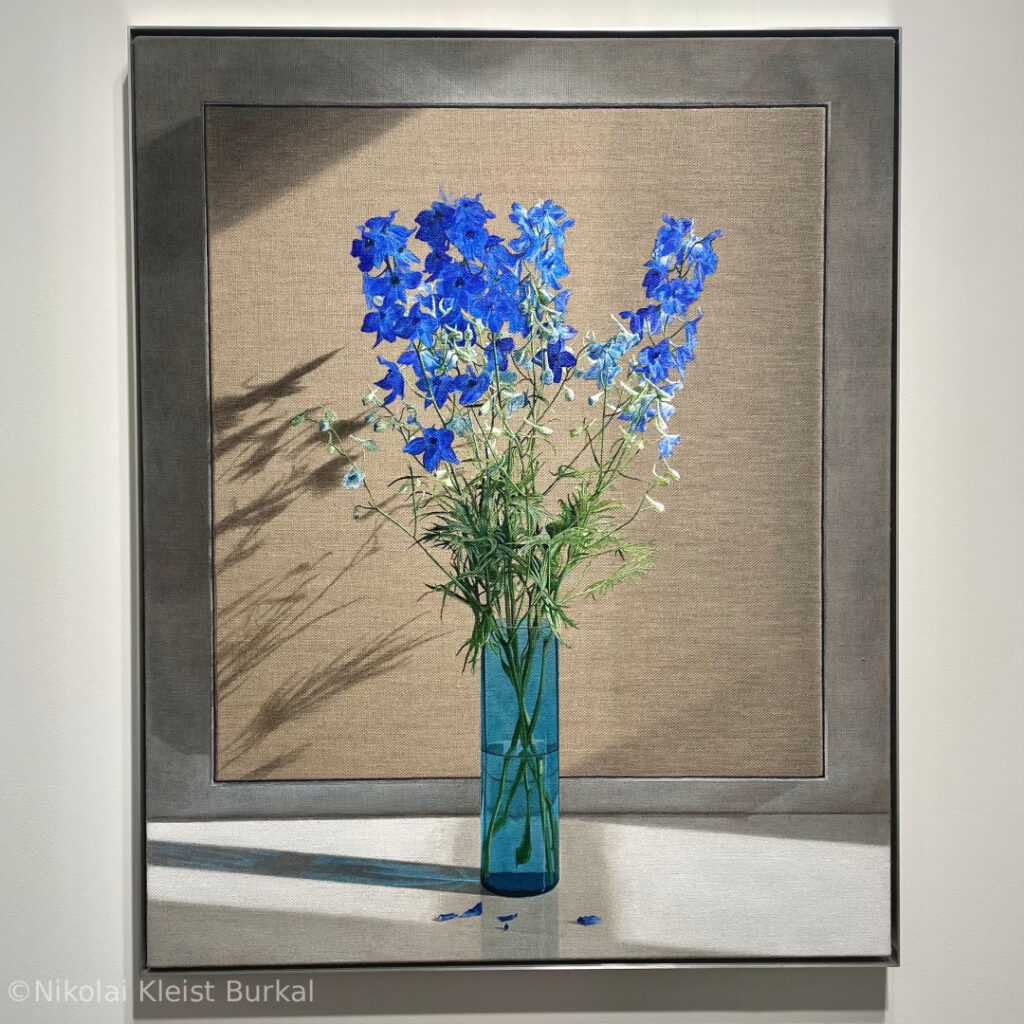
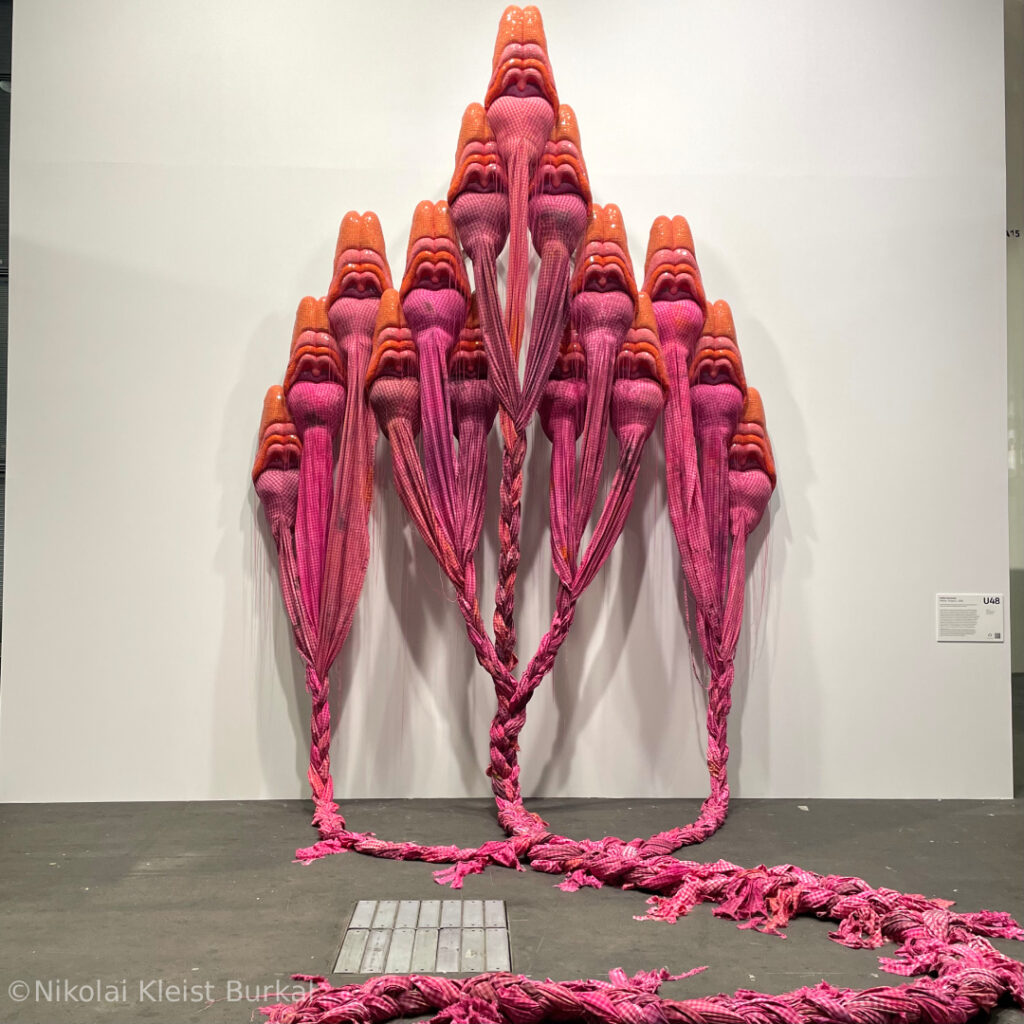
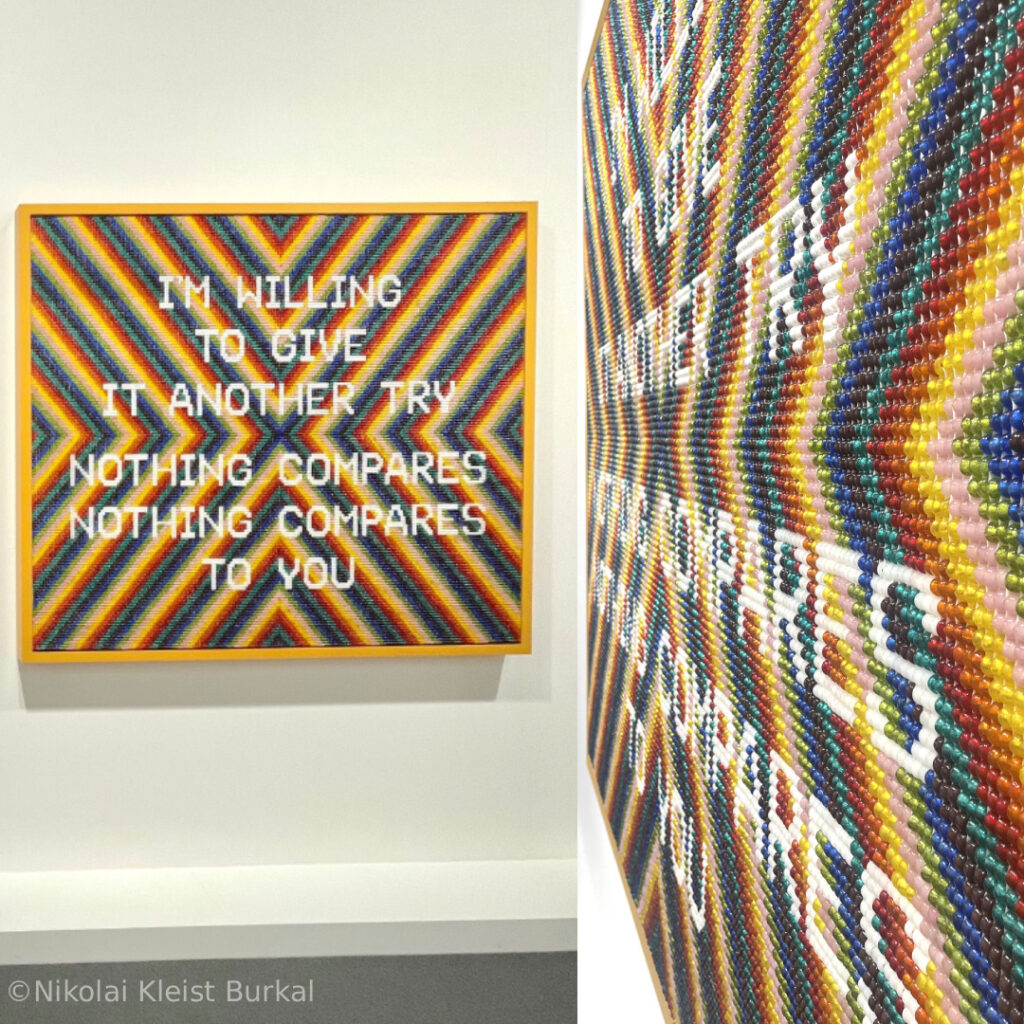
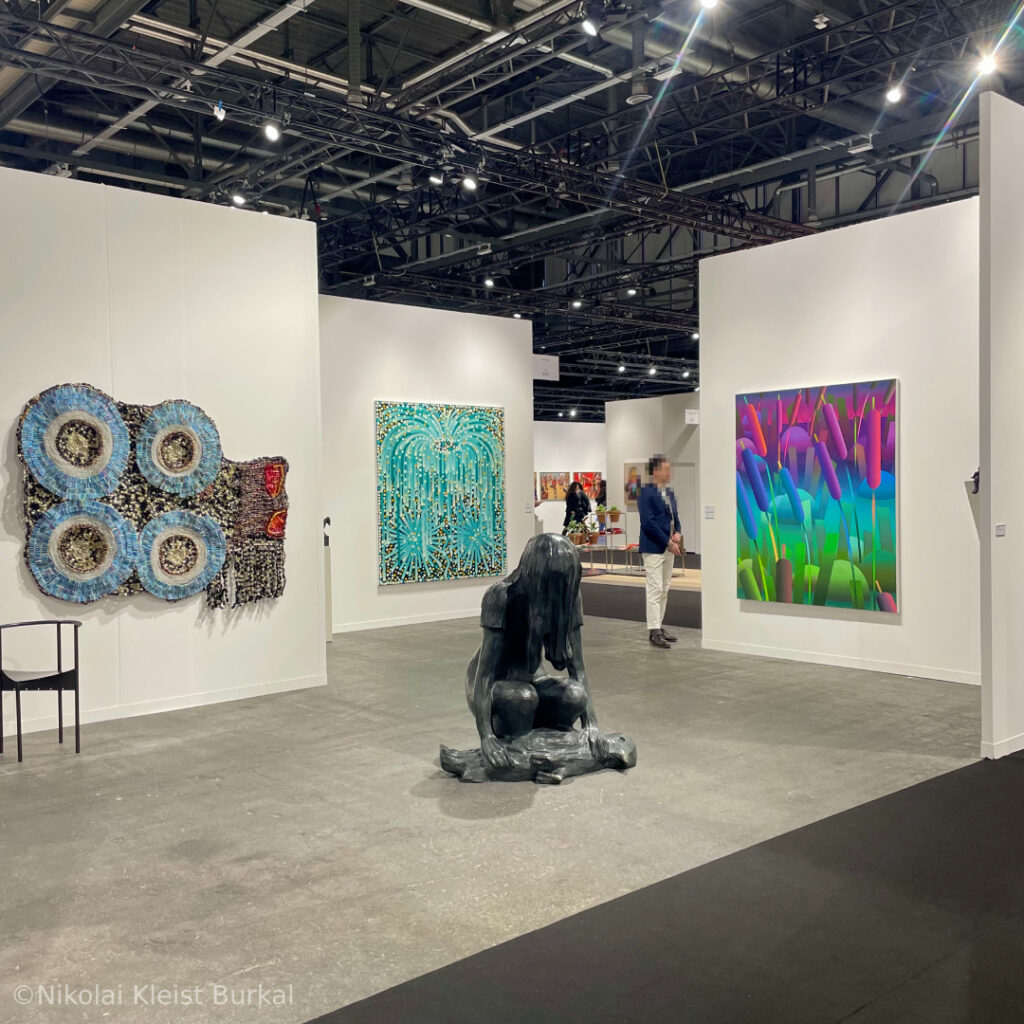
    Booth B31 Templon, Paris/Brussels/New York

    The fair at a glance
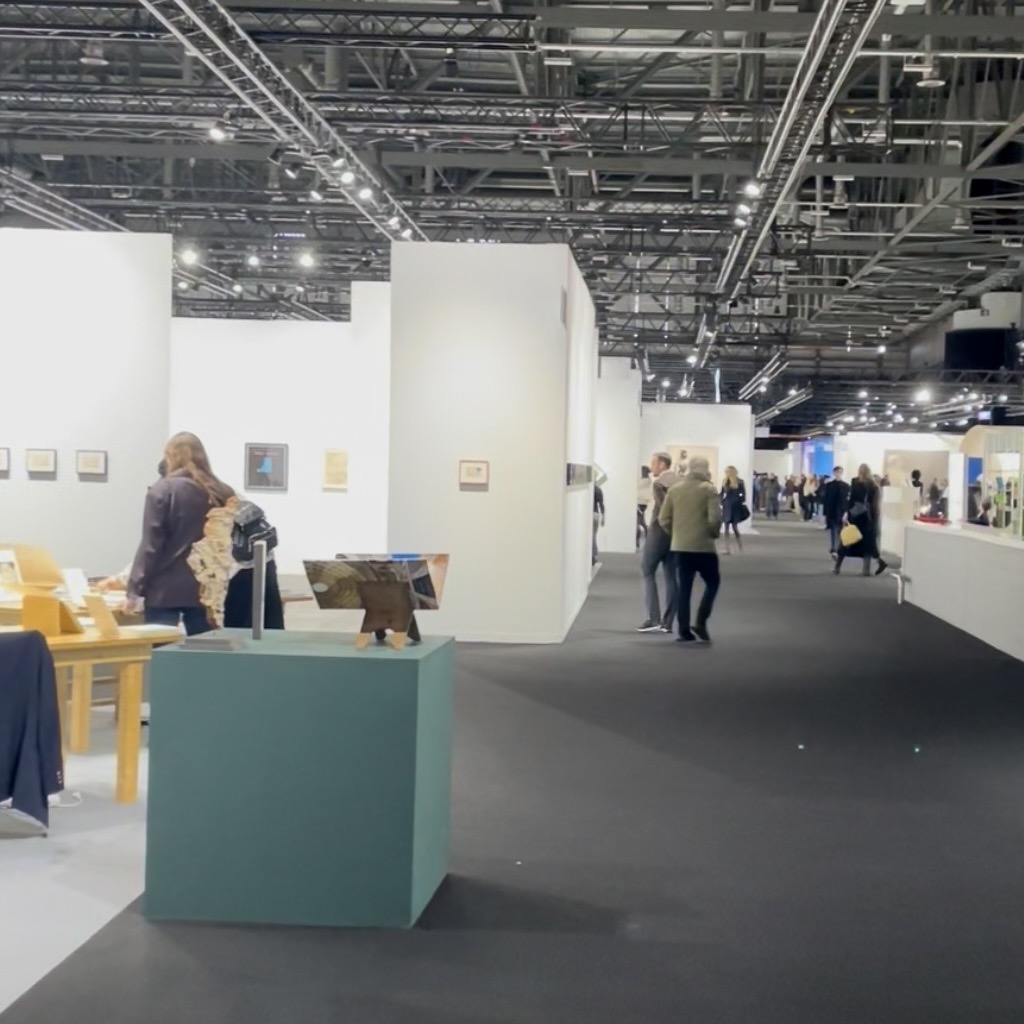
    Art Genève is arguably the second most prestigious art fair in Switzerland, following Art Basel. Often described as a “boutique” fair, it distinguishes itself through its smaller scale and strong curatorial focus. This year’s edition hosted around 80 galleries presenting modern and contemporary art.


    The fair maintains a strong connection to particularly francophone regions, attracting galleries and visitors from Swiss Romandy, Paris, Quebec, and Montreal. Beyond the main booths, Art Genève also features Special Projects, dedicated to foundations, institutional collections, and private collectors, as well as Solo Shows sections, allowing galleries to focus on one artists and more curated booths.


    One of the Special Projects was MAMCO Genève’s (museum of modern art) booth, which functioned as a live exhibition of works the museum planned to acquire during the fair. Beginning empty and gradually filling with newly purchased works, the booth made the acquisition process visible and inclusive — a bit unusual and somewhat refreshing gesture for an institution.

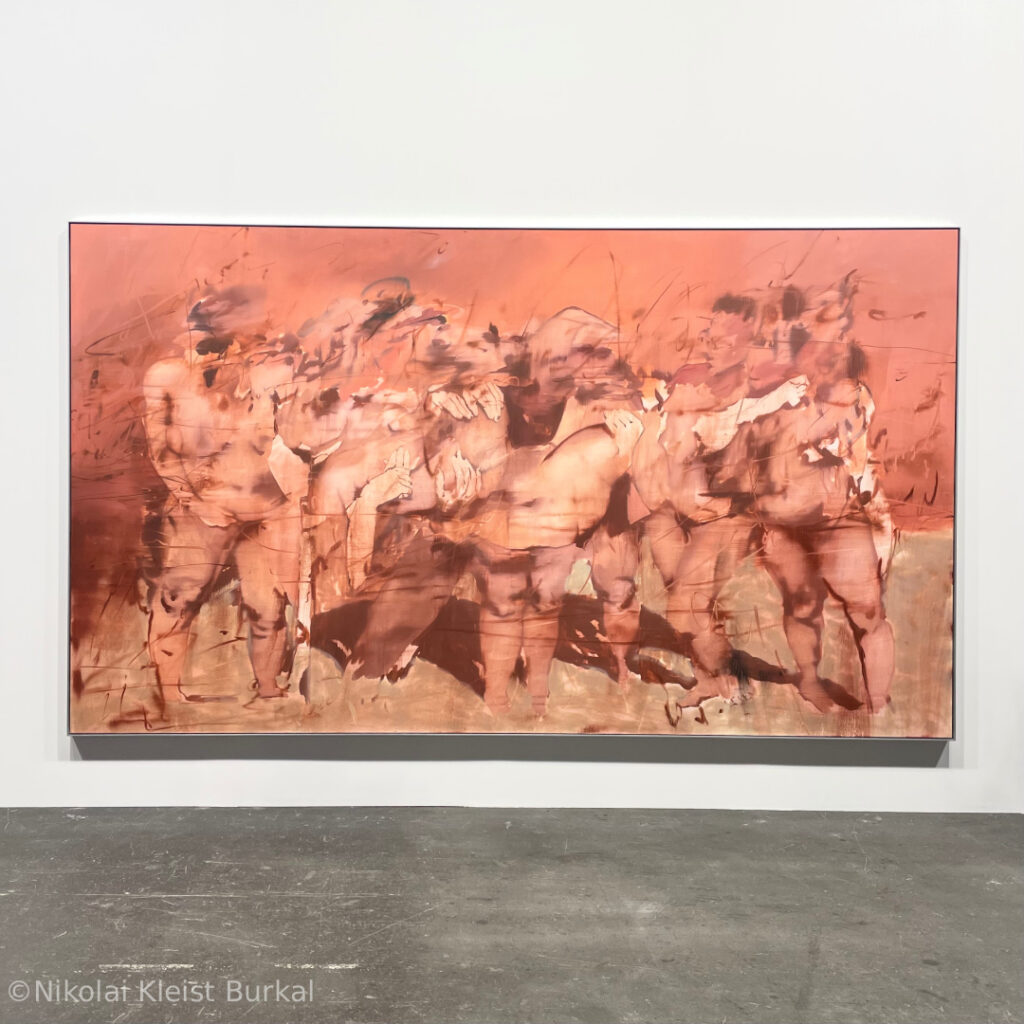
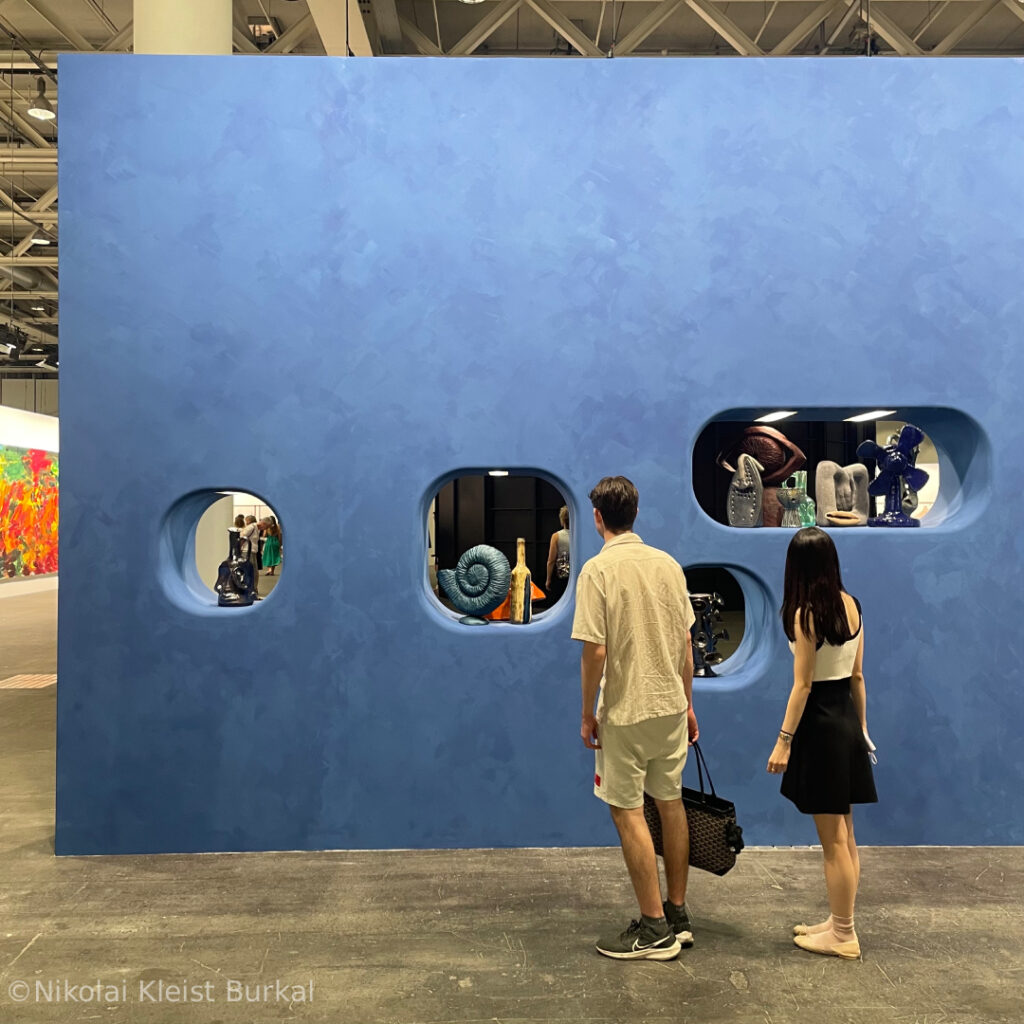
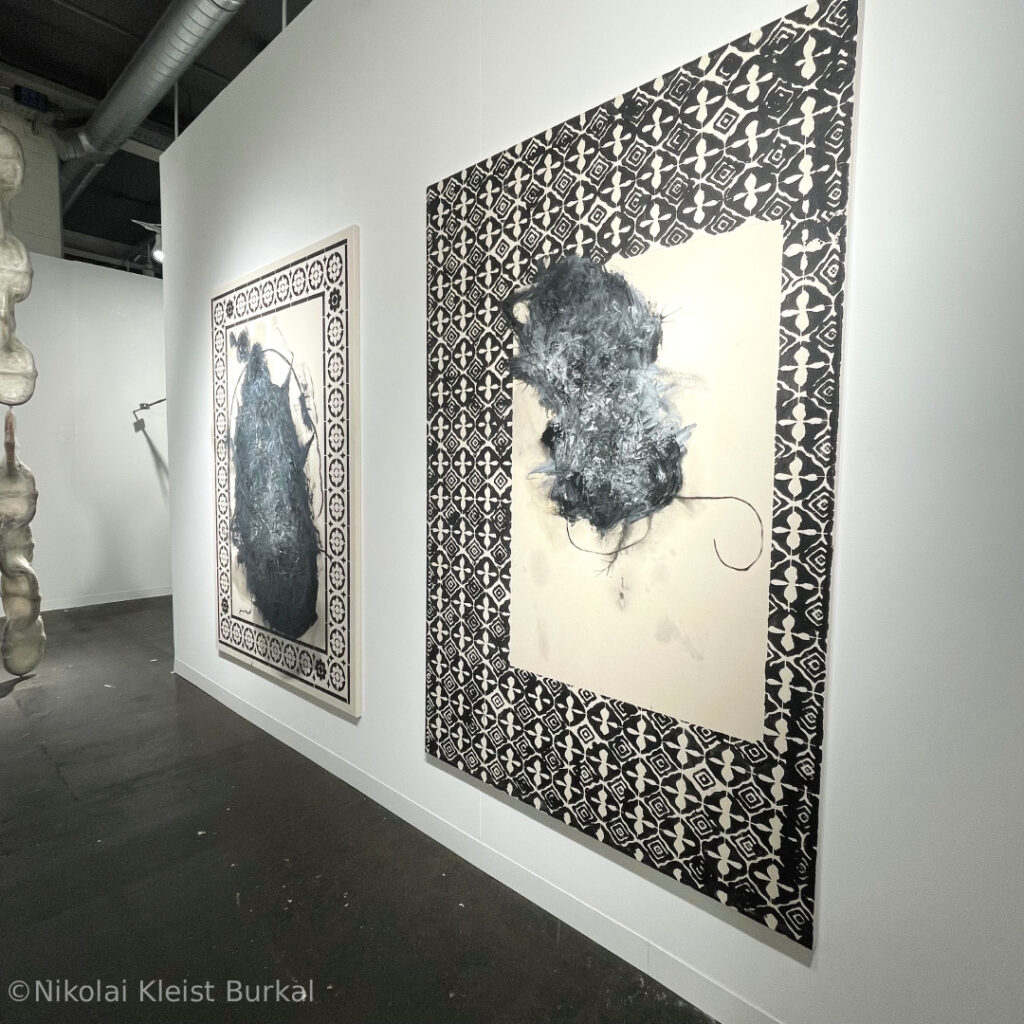
    Booth B39 gallery Semiose, Paris


    Several booths also showcased art award nominees. Luxury watchmaker Piaget continued its support by awarding the best Solo Show presentation at the fair, with the winning work entering MAMCO’s collection. Similarly, the Prix Mobilière 2026 presented seven nominated artists for their contributions to the Swiss art scene. These initiatives demonstrated how sponsorship can meaningfully strengthen collaboration between institutions and the market.

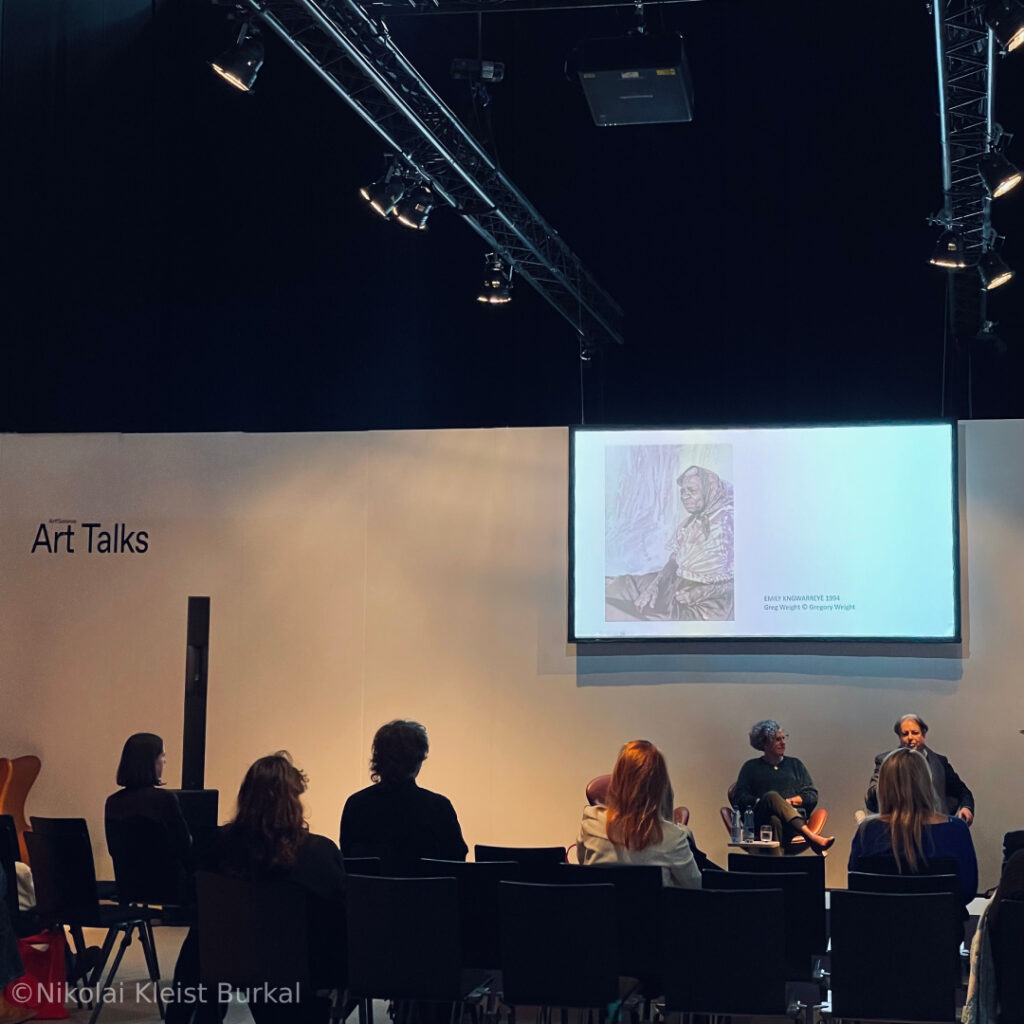
    Art talk “Contemporary Australian Indigenous artists”

    Some Art Talks topics

    As every year, Art Genève hosted a series of public talks. A recurring theme was the Responsible Art Market (RAM) – Art Market Perspective, which celebrated its 10th anniversary. The discussion addressed sustainability in the art world from multiple angles, including shipping practices, tax reforms, inheritance, and the economic sustainability of artistic careers. RAM continues to provide practical toolkits focused on due diligence, provenance research, and combating money laundering within the market.

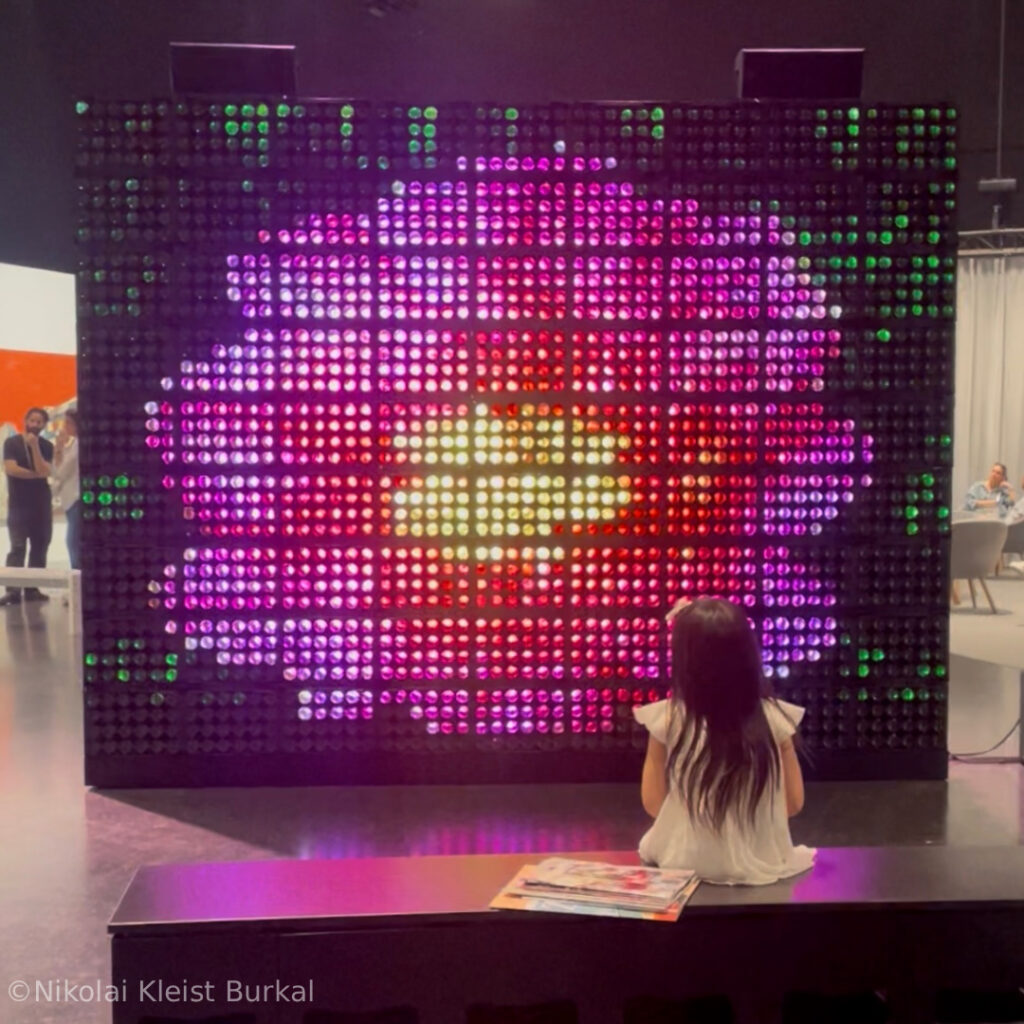
    Exhibitors preparing at Art Genève


    Another theme, which I found particularly interesting, was the attention to indigenous presence in contemporary art. One talk I was looking forward to — Contemporary Australian Indigenous Artists — ultimately felt more like a presentation than a discussion and lacked depth on individual practices and introduction to artists and their works. Still, it touched on important topics such as oral traditions, the cultural significance of dreaming, which connects people with ancestral narratives in connecting past and present.

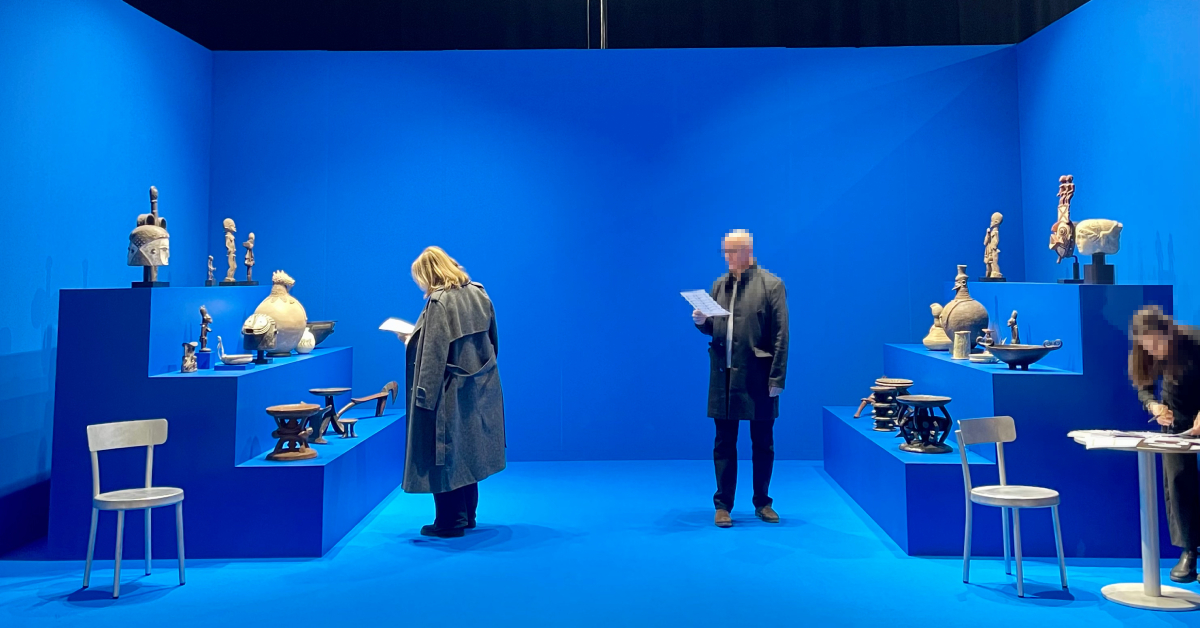
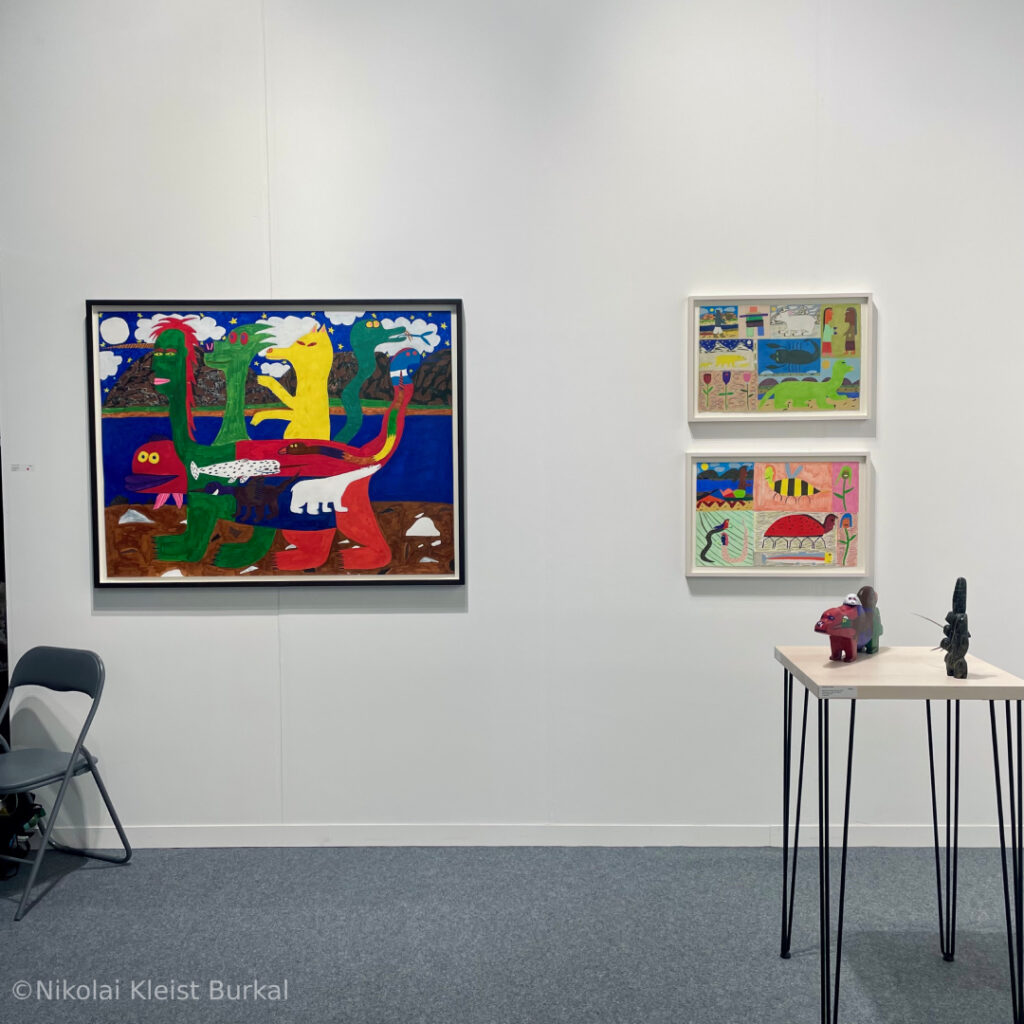
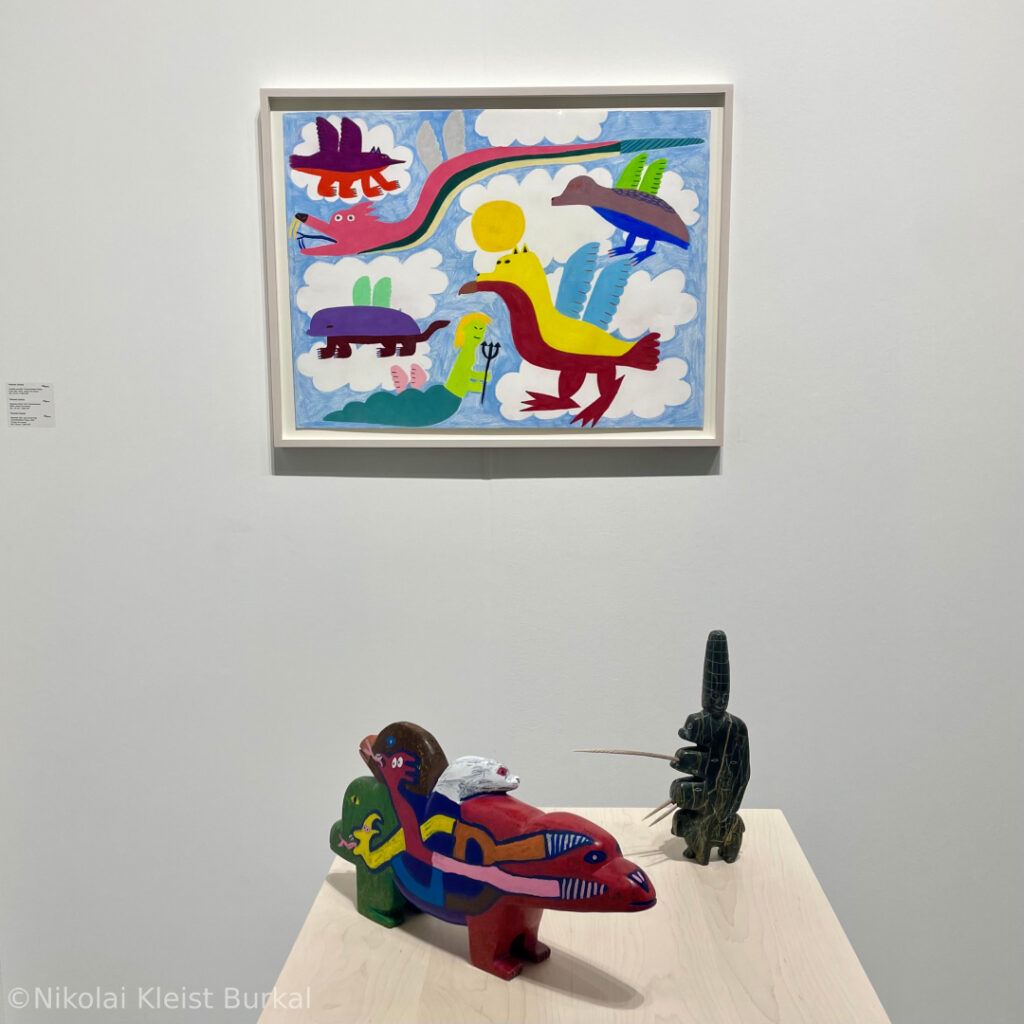
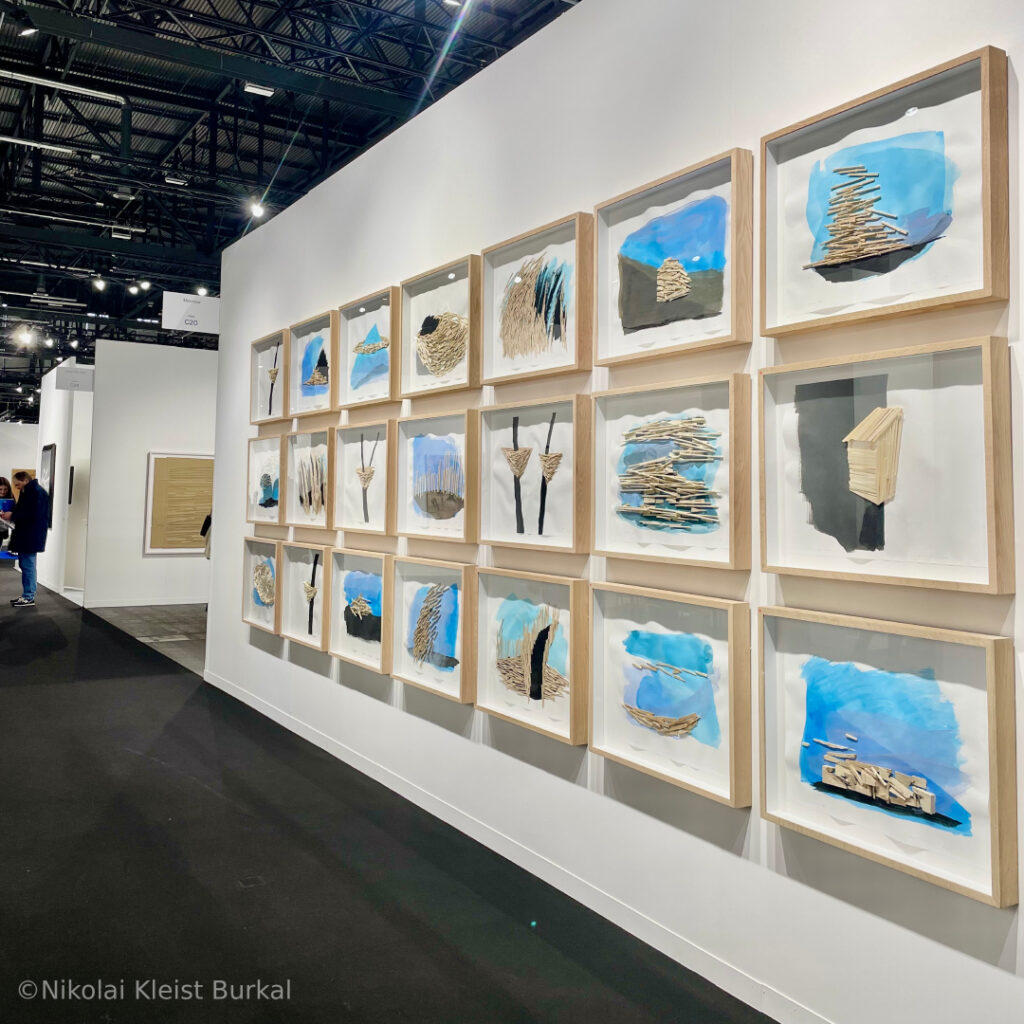
    Pitseolak Qimirpik’s Solo Show at D23 gallery Chiguer Art Contemporain, Montréal/Québec

    Highlights of the fair
    While it was enjoyable to reconnect with exhibitors and familiar art-world figures, what stood out most this year were the Solo Show presentations. Around 30 solo shows were presented by international galleries, many of which felt more focused and thoughtfully curated than standard booth displays.


    As a Danish-Greenlandic artist myself, I was particularly drawn to the solo presentation of Inuit artist Pitseolak Qimirpik (b. 1986, Nunavut, Canada) at Chiguer Art Contemporain, led by owner Abdelilah Chiguer. Seeing a solo exhibition by an Inuit artist at a well-established European fair felt significant, and made me think about the positioning of indigenous contemporary artists in general.

    Pitseolak Qimirpik’s Solo Show at D23 gallery Chiguer Art Contemporain, Montréal/Québec


    This presentation raised broader questions about how indigenous artists are positioned within the contemporary art market. As the art world increasingly focuses on previously marginalised voices — including artists from developing regions, women artists, and Indigenous communities — it remains unclear how these practices are expected to adapt to a well-established Westernised art market system, and whether that adaptation risks compromising cultural specificity.


    I don’t have definitive answers, but after an initial walkthrough, this was the booth that stayed with me, because it felt relevant — despite the fair also featuring blue-chip names such as Lee Ufan, Yue Minjun, Anish Kapoor, Paul McCarthy, and post-war figures like Hans Hartung and Karel Appel.

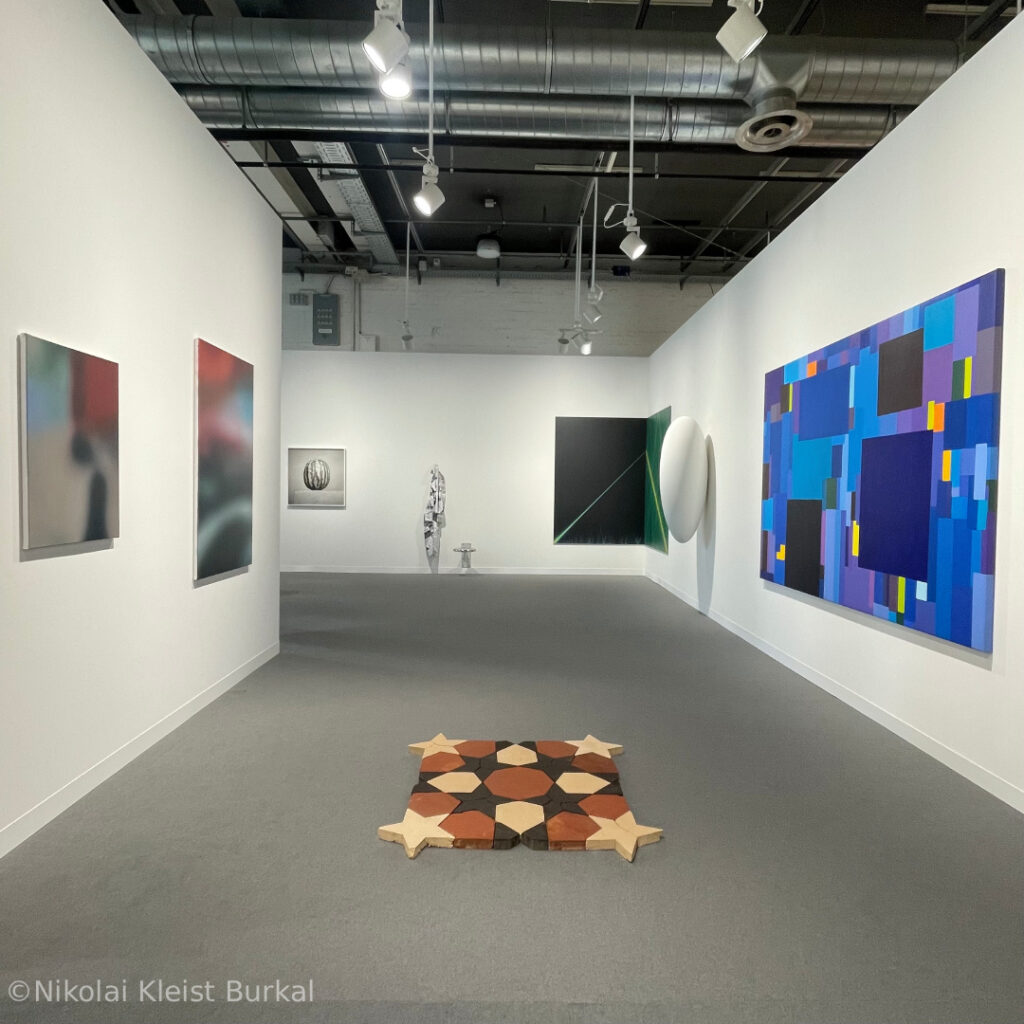
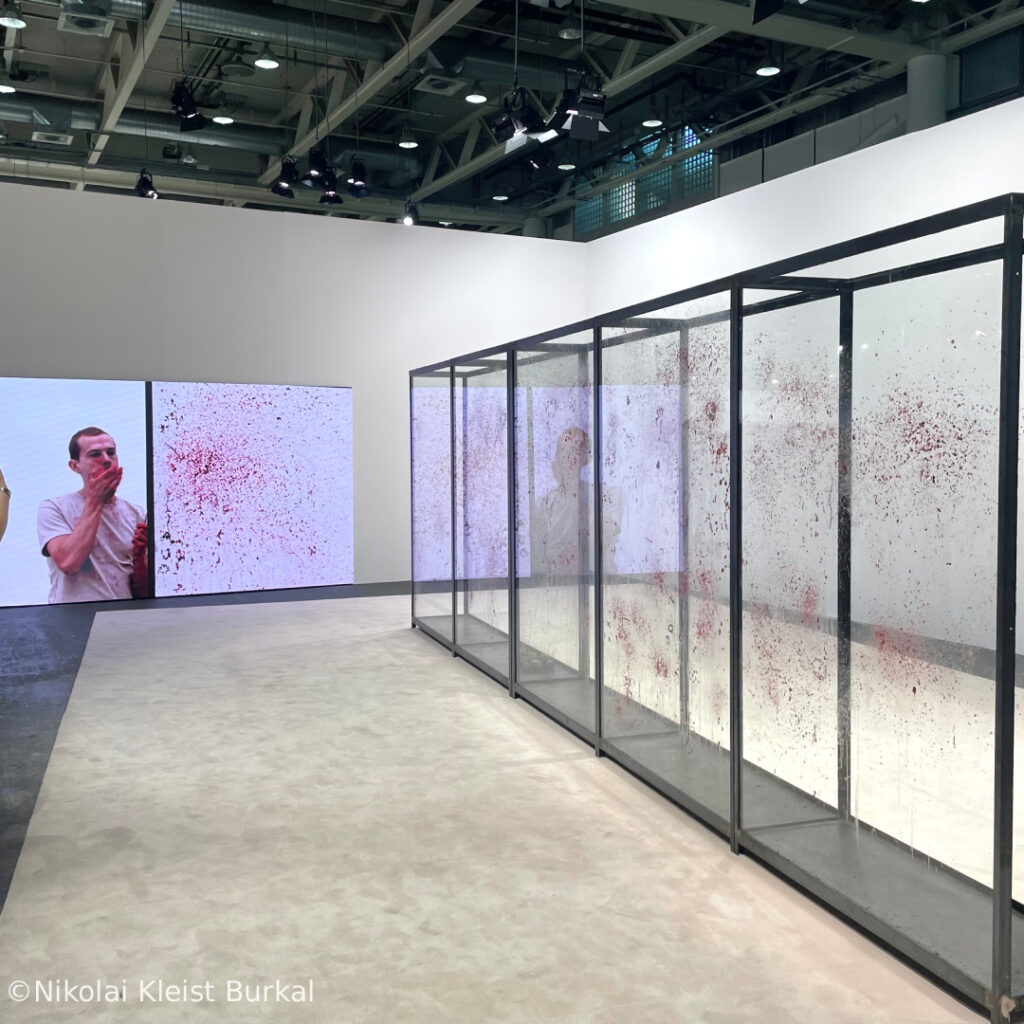
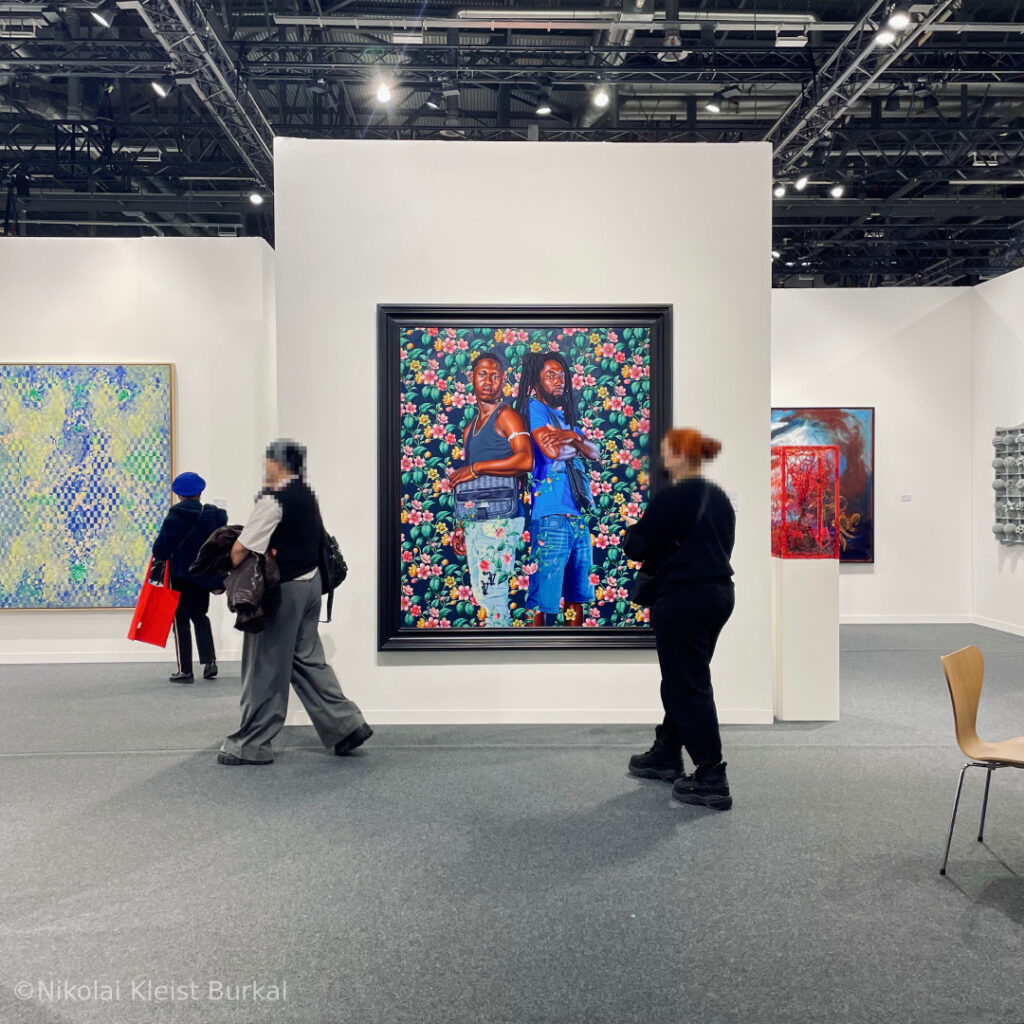
    Booth C20 Mennour, Paris


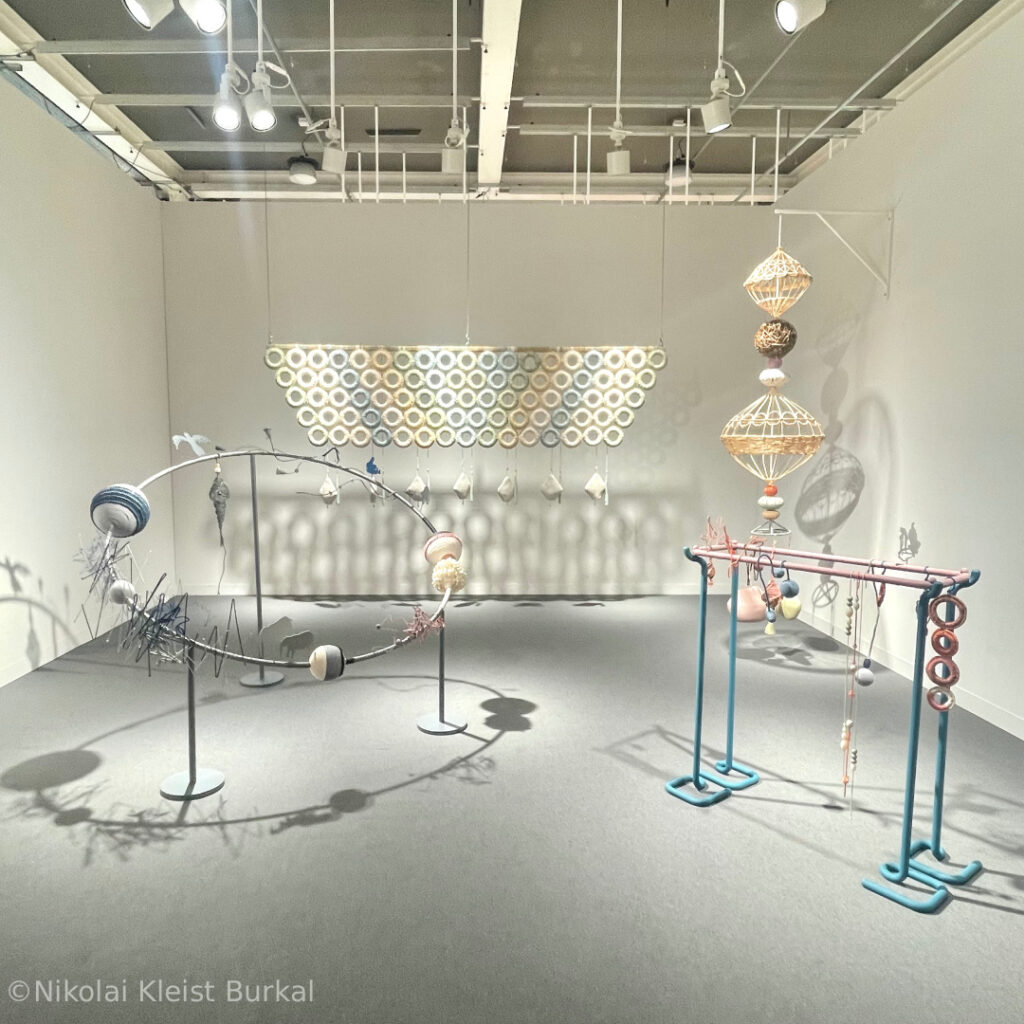
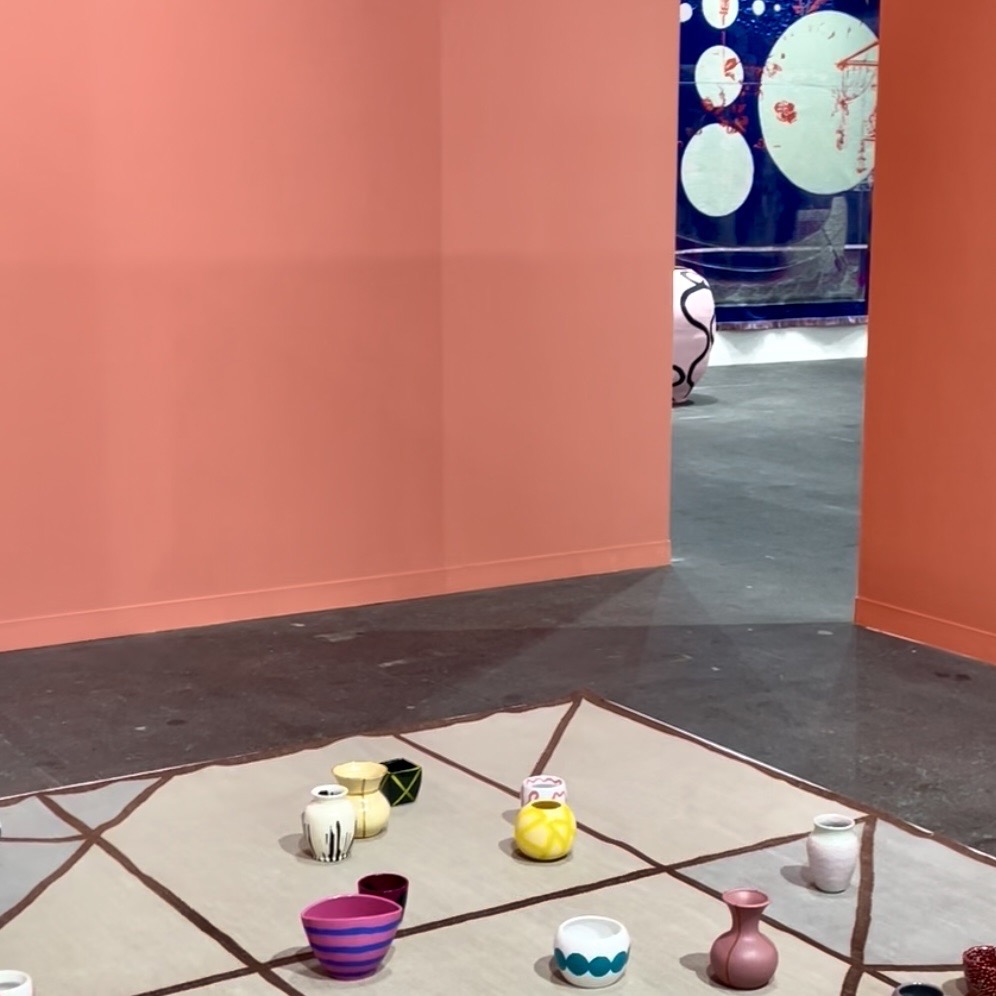
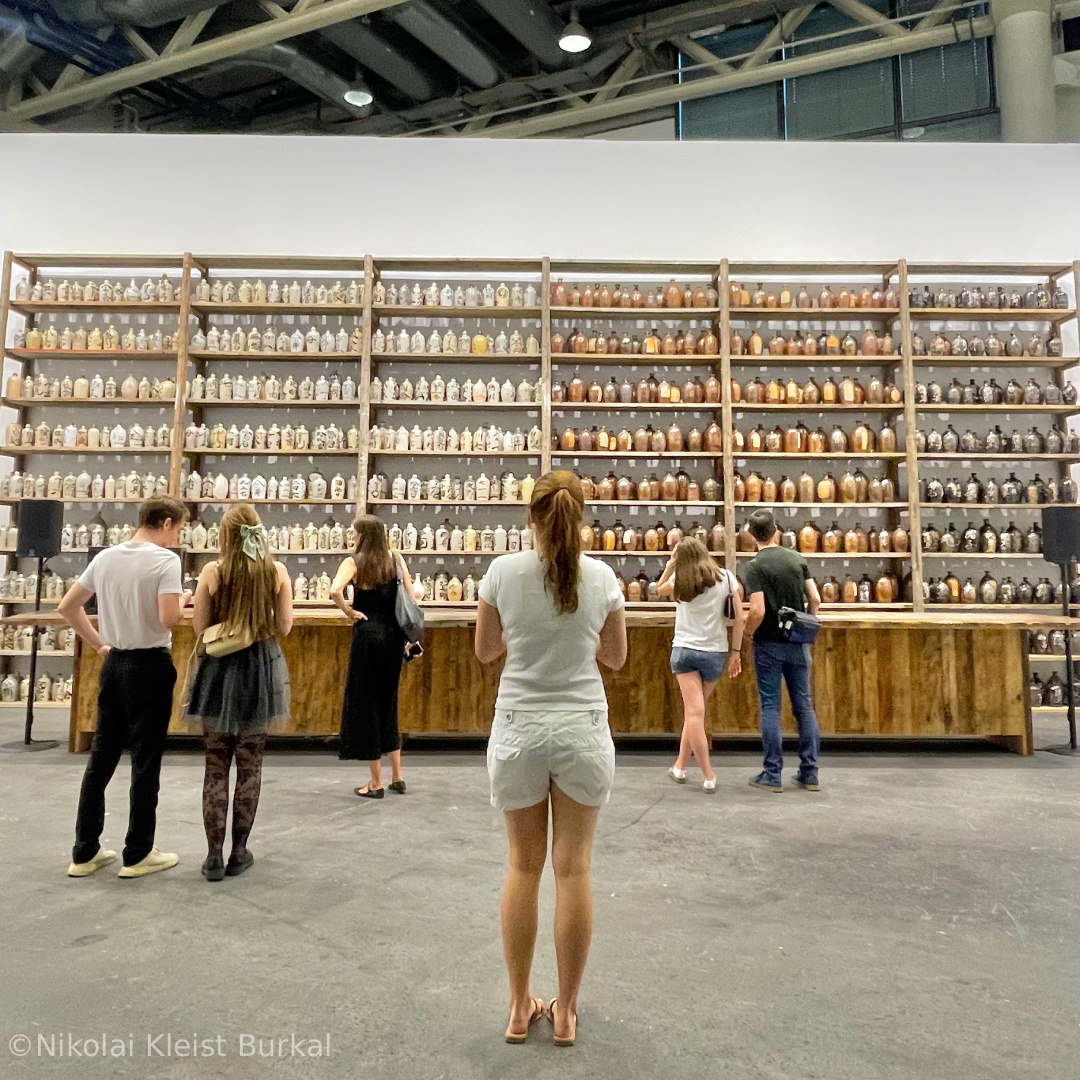
    Other solo presentations were equally engaging. Gallery espace_L’s exhibition of Jan Steenman’s ceramic, shelf mushroom-like sculptures reflected a broader trend I’ve noticed recently: contemporary ceramics increasingly occupying space within fine art galleries. Several other galleries such as Taste Contemporary from Geneva and the art association SALTS from Basel were also exhibiting ceramic sculptures, and I am wondering if there is an increased demand for these? It seems like it.

    Further Reading

    See also related articles

  • Art Geneva 2025 and thoughts on art archiving

    Art Geneva 2025 and thoughts on art archiving

    Art Geneva 2025 took place from 30th January to 2nd February 2025 at the Palexpo in Geneva. This was the second time I visited the fair, and I was curious to see how this mid-sized art fair was developing.

    Art Geneva is significantly smaller than Art Basel and Frieze. It hosted around 80 galleries, divided between those displaying catalogues of artists and those focusing on solo shows. There was a curated section for larger works and two spaces dedicated to awardees and the recognition of Swiss artists. In addition, there was a café, a bar, a restaurant, a partners’ lounge, booths for publishers, and an art talk space.

    But what I found interesting in this fair, was the art talk about the practices of art archiving.

    Art Geneve 2025, art talk space

    Archiving art
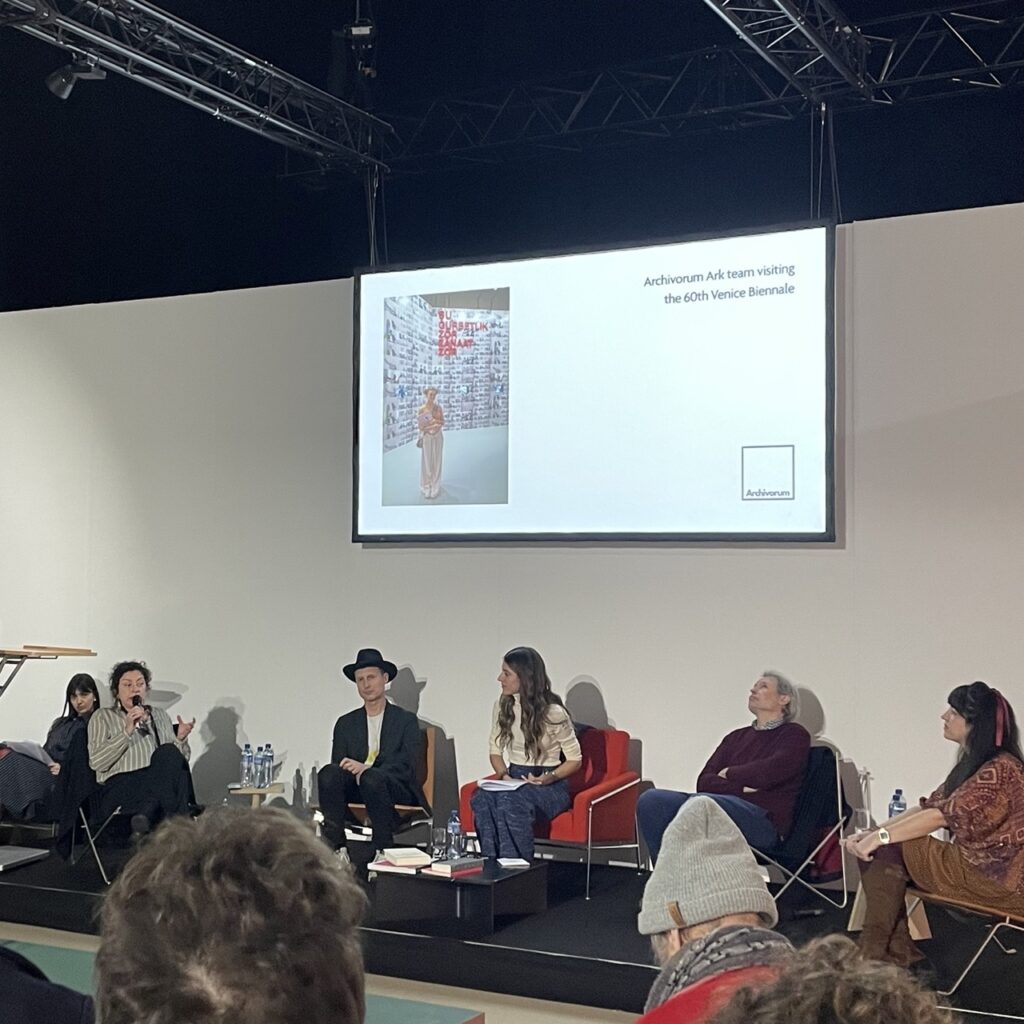
    I started my visit by attending the art talk “Archivorum Ark – Chapter 2: The Practice of Archiving Art and Bridging Time and Memory.” I recognised this theme from last year; I suppose that is what they meant by Chapter 2. The dedicated art talk space was larger and much better staged than in 2024.

    It took a while to introduce the panelists, but through their introductions, you already gained a good overview of the theme and the practices surrounding the archiving of art. This is not a theme I have given much thought about in the past, but it raised some interesting points. What happens not only to all the artworks in an artist’s private possession but also to all the notes, photographs, sketches, diaries, or any other supporting documentation that might help others understand the artist’s life, thoughts, and art process when the artist passes away? What are the practices for gathering and sorting this material, who keeps it, and what is it used for?

    It is interesting because not all artworks are suited for sale, and not all museums can store full archives of all artists. So, who maintains these materials, and what are the methodologies used for preserving them?

    It is easy to imagine that some blue-chip artists have extensive and valuable material stored in large museums, especially museums dedicated to specific artists. Similarly, galleries representing the estates of famous artists often hold a considerable amount of material, including archives of artworks. But what about lesser-known artists, or those deemed historically important after they have passed away?

    Artist legacy and the preservation of ideas are key topics and challenges in the role institutions play in educating, mediating, and curating exhibitions for the public. In this context, good cataloguing and archiving practices seem essential. This is particularly true for exhibitions that publish art books alongside the exhibitions themselves. Achieving this requires, first and foremost, someone dedicated to the task, gaining access to the stored documentation, and possessing the expertise to catalogue, digitise, and organise this information for specific or future use.

    That is where Archivorum Ark seems to come in. It is a relatively new organisation, established in 2023. It manages a library, organises public events, and conducts research projects. Its aim is to preserve, provide research, and educate about artists’ archives from around the world. Projects can be granted to artists or other art professionals who have a specific research project in mind, which might result in public events or publications, such as artists’ books.

    I think this initiative has a fantastic philosophy and concept. It raises important considerations about what happens to all the art we, as artists, produce. How do we document our work and process, if at all? And how do we properly hand over artists’ archives to researchers and custodians?

    Art Geneve 2025, Von Bartha gallery

    Responsible Art Market Conference
    The 9th edition of the Responsible Art Market Conference (RAM) is an annual event that takes place at the Palexpo during Art Geneva. It was held on Friday, 31st January, so I was unable to attend, but I thought it would be relevant to mention.

    Like the practices of archiving art, this conference also seeks to address and solve practical challenges in the fine art world. Art experts attending the conference discussed topics such as artwork commission contracts and pricing, responsible art market practices, non-resale clauses, and the impact of art speculation on the sustainability of artists’ careers.

    Some of the topics seemed to address broader issues, while others focused on specific and practical challenges. From my experience and work with ESG risk data, I know that words like “responsible” and “sustainability” should be used with care, as these terms are often exploited as smokescreens to make poor practices appear better than they are. I am not suggesting that this is the case here, and since I did not attend, I can only share the details about the conference’s intentions.

    That being said, the topic of fine art and sustainable practices is an important one, and I should consider dedicating a separate article to this subject.

    Art Geneve 2025, galleries at fair

    The fair as a whole
    Looking at the rest of the art fair, I think there was a good mix of young and established artists. I counted about 30 galleries from or based in Switzerland, 24 from France, a few from Italy, Belgium, and the UK, as well as four Asian galleries. There were 30 solo shows, meaning galleries exhibited artworks by a single artist. I think this was a great approach. It signals the intention of galleries to highlight an artist, allows them to curate their booth more effectively, and, for future sales, the gallery can mention to potential buyers that the artist had a special show at this fair. As a fair visitor, it also provides a better understanding of the individual artist’s ideas and concepts.

    I must note, having attended many art fairs, there are some artists you can always expect to see, such as Lee Ufan’s signature minimalist brushstroke paintings, Günther Förg’s multi-coloured grid paintings, there are always a couple of Picassos, and reproductions of Francis Bacon or Salvador Dalí in ghastly golden frames. While I understand there is a market for reproductions, I tend to skip them. I could dedicate a whole article to editions and reproductions, which could be another idea for the future.

    All in all, Art Geneva was a positive experience. I gained a quick insight into some of the current discussion points in the art world. In terms of the art itself, I did not experience anything particularly new or groundbreaking, but that would have been too much to ask for. In comparison to Art Basel, which is by far the largest fair in Switzerland (and Europe), Art Geneva offers a more casual and intimate setting, which serves as a good platform for art discussions and opportunities to converse with gallerists.

    If you want to hear more about eh Swiss art scene, check out previous article The Swiss Art Scene.

    If you are interested in the world of art fairs, check out Art Fairs – who are they for and how to use them?

    Further Reading:
    Art Geneva 2025
    Archivorum Ark
    Responsible Art Market Conference

  • 5 artworks to discover now from Art Basel in Switzerland

    5 artworks to discover now from Art Basel in Switzerland

    A version of this article was also published in print by Art+ Magazine, Issue 86, 2023, Philippines.

    Many art goers in Asia may be more familiar with Art Basel Hong Kong, but the art fair’s origins are in the charming city of Basel in Switzerland, which started 53 years ago. Opening its first year with only 90 galleries, the Art Basel brand has grown significantly over the years, creating a global reach and influence. 

    The art fair in Switzerland and Hong Kong have very similar concepts, but being in Basel during this time is a 360-degree experience, with hundreds of events, exhibitions and site-specific works being launched across the city. The 2023 edition took place from 15-18 June 2023 with 284 galleries and a wide array of programmes for different audiences. 

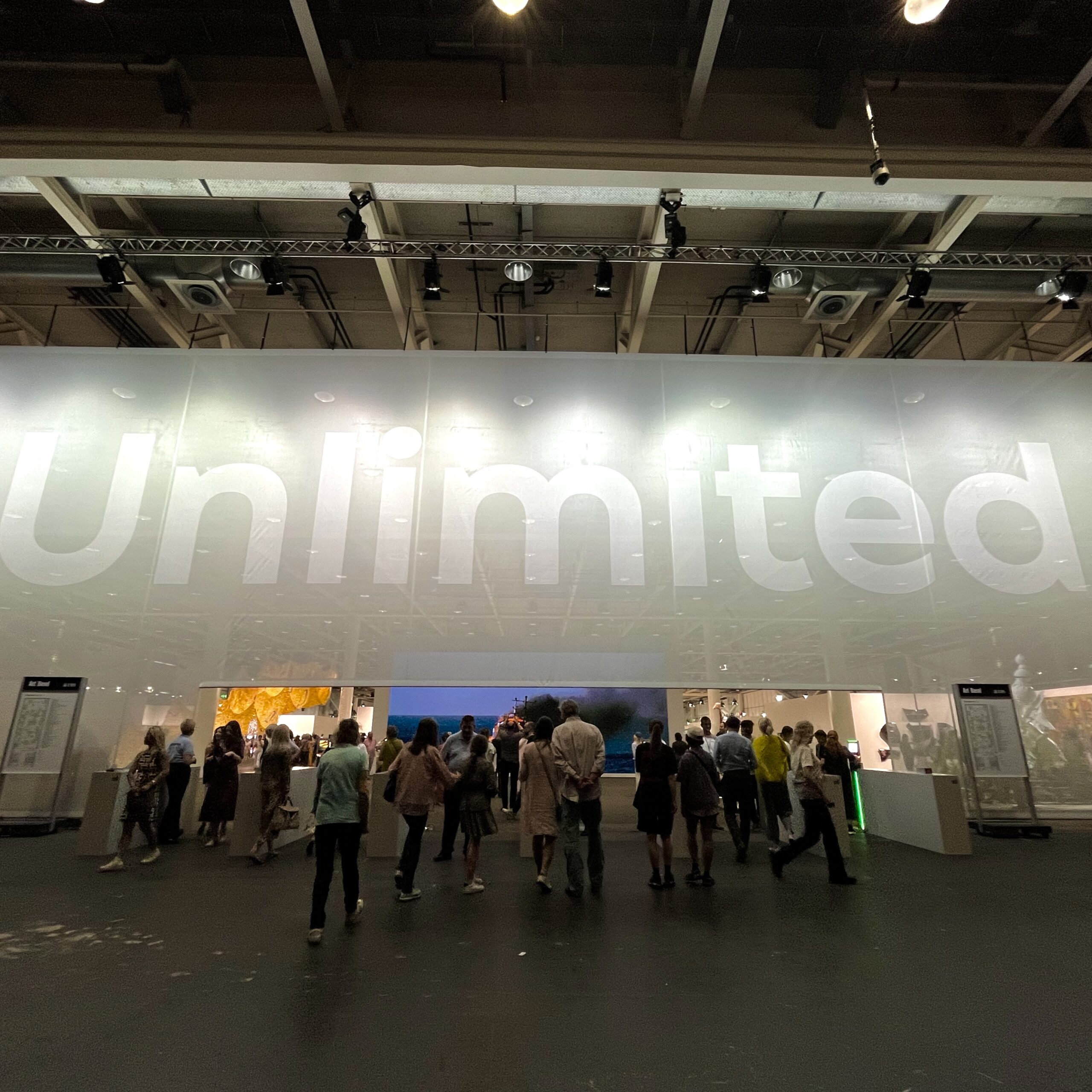
    A must-see section is Unlimited, which focuses on curated, large-scale installations that will otherwise look out of place in a typical gallery display. It is housed in a 16,000 square-meter exhibition space. Unlike the Galleries sector, which is laid out as a series of booths with changing displays, Unlimited invites viewers to interact not just with the work but the physicality of the space. Monumental sculptures, live performances, larger-than-life paintings and video projections are just some of the surprises that await fair goers. Curated by Giovanni Carmine, Unlimited this year featured 76 artworks by emerging and named artists from across the world. Themes predominantly explored artistic responses to politics, climate change, technology, and major global crises. 

    Malaya del Rosario, art manager based between the Philippines and Switzerland, roamed Unlimited’s grounds and has selected five unforgettable works to discover.

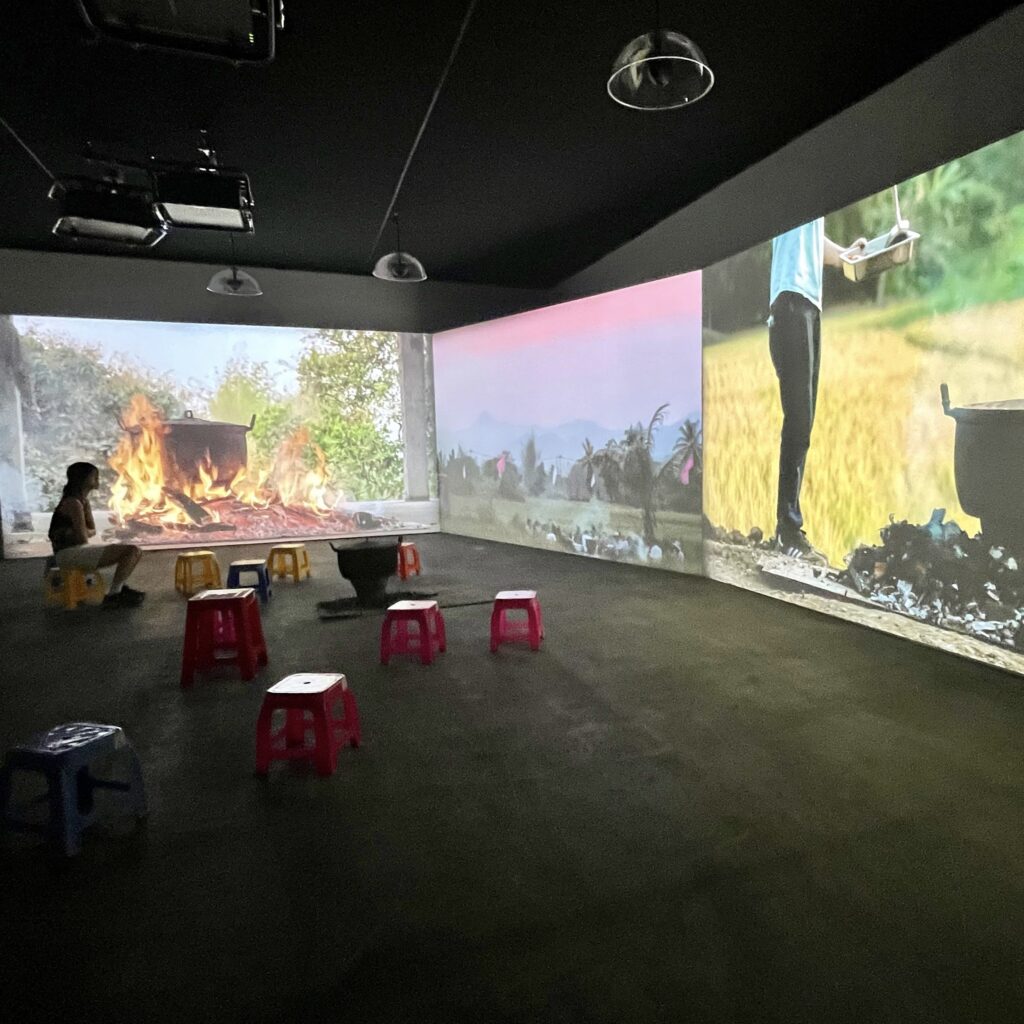
    1. Rirkrit Tiravanija, untitled (curry for the soul of the forgotten) (2015)

    Presented in an enclosed space, Rirkrit Tiravanija’s work features a three-channel video projection as well as actual objects. In front of the screens are low, plastic stools. At the center of the room is a bronze cauldron, a replica of the one in the video, on top of a flattened cardboard. It is meant to feel like someone is in the middle of cooking a meal on an open fire. 

    Tiravanija is known for combining film, readymade and performance in his practice. Food, and specifically, Thai cuisine, is a long-standing component in his works, often symbolising community, gathering, and the everyday. An earlier work from 1992 saw the artist feeding curry to visitors in a New York gallery as a performative piece.

    In this particular work, the artist wanted to pay tribute to ‘the forgotten,’ presumably the political activists fighting for democracy, through food. Shot in Thailand,  the film documents the ritual of cooking curry to highlight “the often-forgotten agents of social and political change in protests both domestically and around the world.” Interacting with this work in a three-dimensional setting is like being transported to a street kitchen that would feel very familiar to someone coming from Southeast Asia.

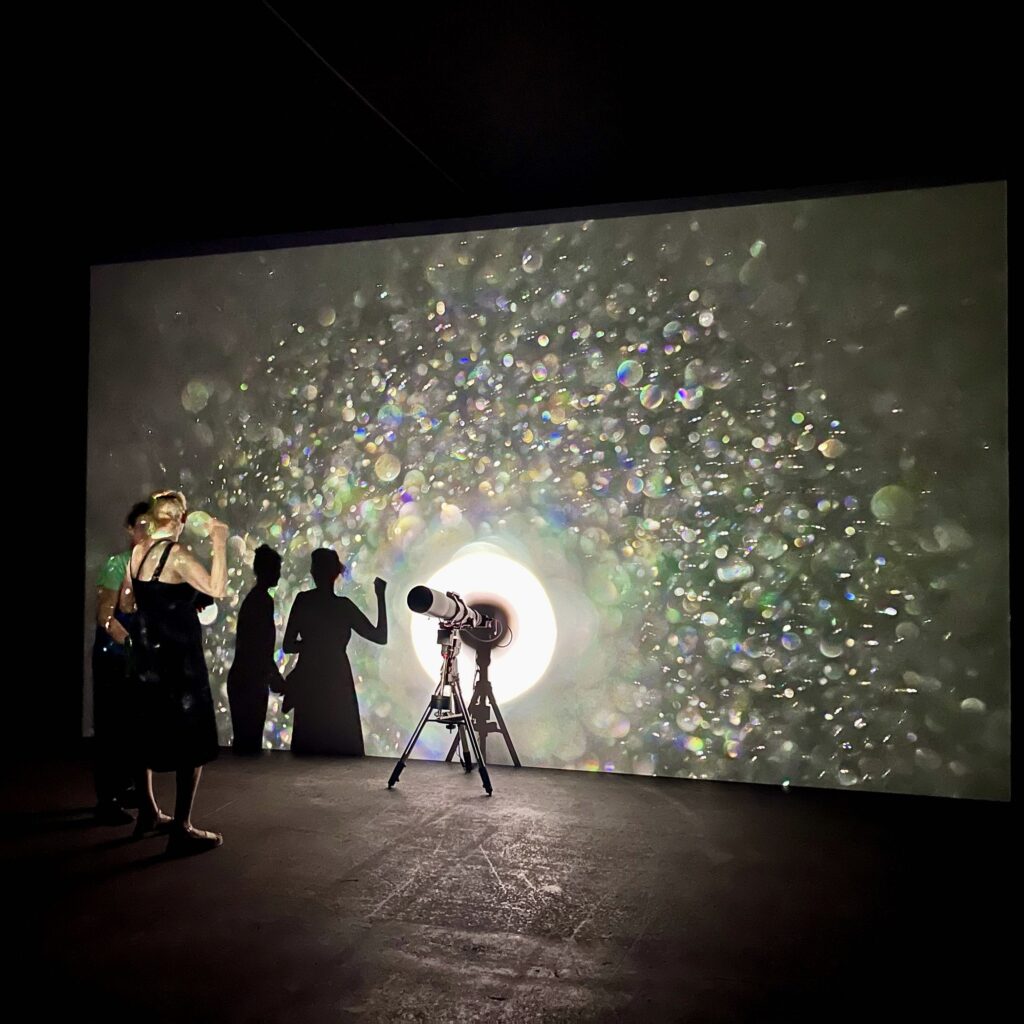
    1. Wu Chi-Tsung, Dust 002 (2023)

    Taipei-born, Wu Chi-Tsung, is very much interested in how we see the world through media and how our perceptions are easily altered by technology. The installation, Dust 002, consists primarily of a telescope, video camera and projector. Entering a darkened room, the viewer’s gaze is drawn to the telescope facing a wall, a halo around it, and fluttering specks of light. The movement is caused by magnified particles in the air, as activated by the viewers’ movements inside the room. 

    The combination of optical tricks, technology and chance is quite smart, and the result is a highly aesthetic and poetic experience for the viewer.  It demonstrates how we can so easily and inevitably impact our environment without realizing it. To fully appreciate the artwork means to take one’s time in observing the elements and delicate motions in the space.

    1. Mika Tajima, You Be My Body for Me (2023)

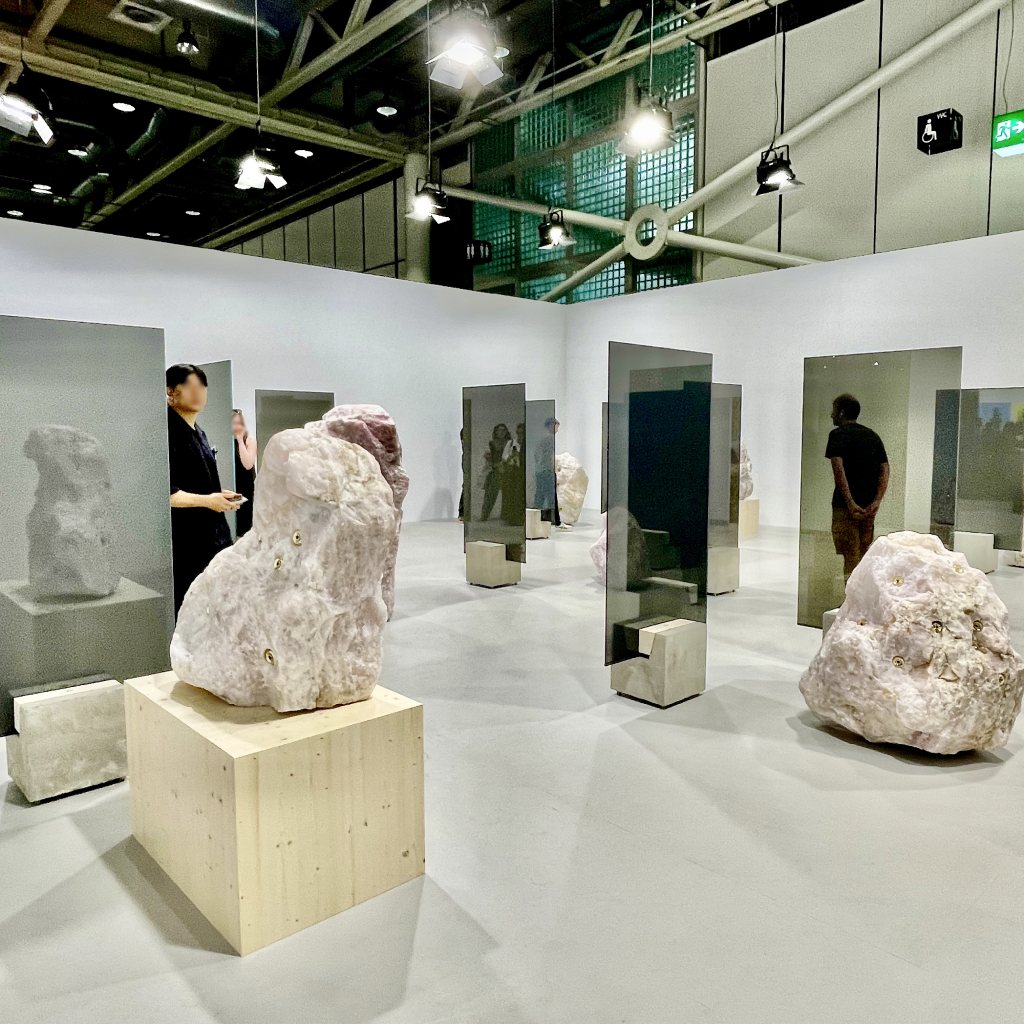
    Los-Angelos born Mika Tajima’s practice is driven by an inquiry into how technology and virtual spaces transform bodily and physical experiences into new forms. Interacting with Tajima’s work, Be My Body for Me, feels like walking through a rock garden, in which large, rose quartz sculptures are positioned alongside freestanding ‘smart glass’ panes. As the viewer moves around, the glass panes change opacity through electric charges. While these changes seem random, the glass panes are in fact connected to a digital algorithm. 

    The rose quartz, on the other hand, pinkish and massive, seems to represent human torsos. Upon closer inspection, one will notice holes cutting through the sculptures, acting as pressure point openings. Tajima’s choice to use this material is due to its inherent technological capabilities. “The punctured diagram of acupuncture pressure points on rose quartz brings together ancient materials, techniques, and the enigmatic symbols of human energy, life, and the urge to control the unknowable,” explains Tajima. 

    1. Kaloki Nyamai, Dining in Chaos (2023)

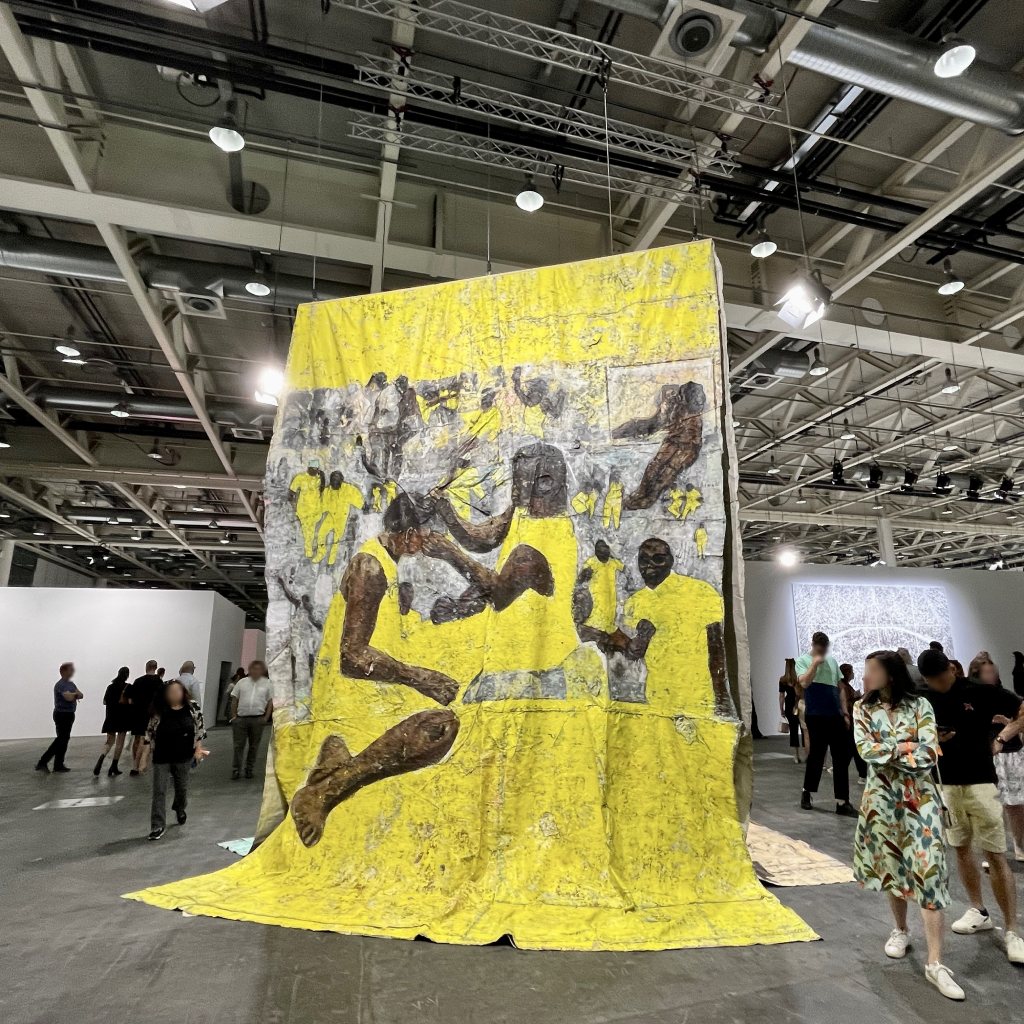
    Kaloki Nyamai’s triptych of gigantic paintings are hard to miss. Hanging gracefully as unstretched pieces of canvas across the monumental exhibition hall, they powerfully represent Nyamai’s interest in painting as a sculptural medium. Depicting vignettes taken from the artist’s Kenyan heritage, they are unforgettable not only for their scale but their bright colours and eye-catching imagery. 

    Using acrylic, sisal rope, and dye transfer on paper over canvas, all three paintings show human figures doing seemingly leisurely activities against a backdrop of social unrest. Despite this context, the paintings successfully depict a beautiful kind of chaos – organic, textured, contrasting, full of movement. 

    Referring to the title, ‘Dining in Chaos’ the artwork asks a simple yet provocative question: When a major disruption occurs, “does one stop abruptly, or carry on dining?” 

    1. Martha Jungwirth’s Memorial II (Triptychon) (2021)

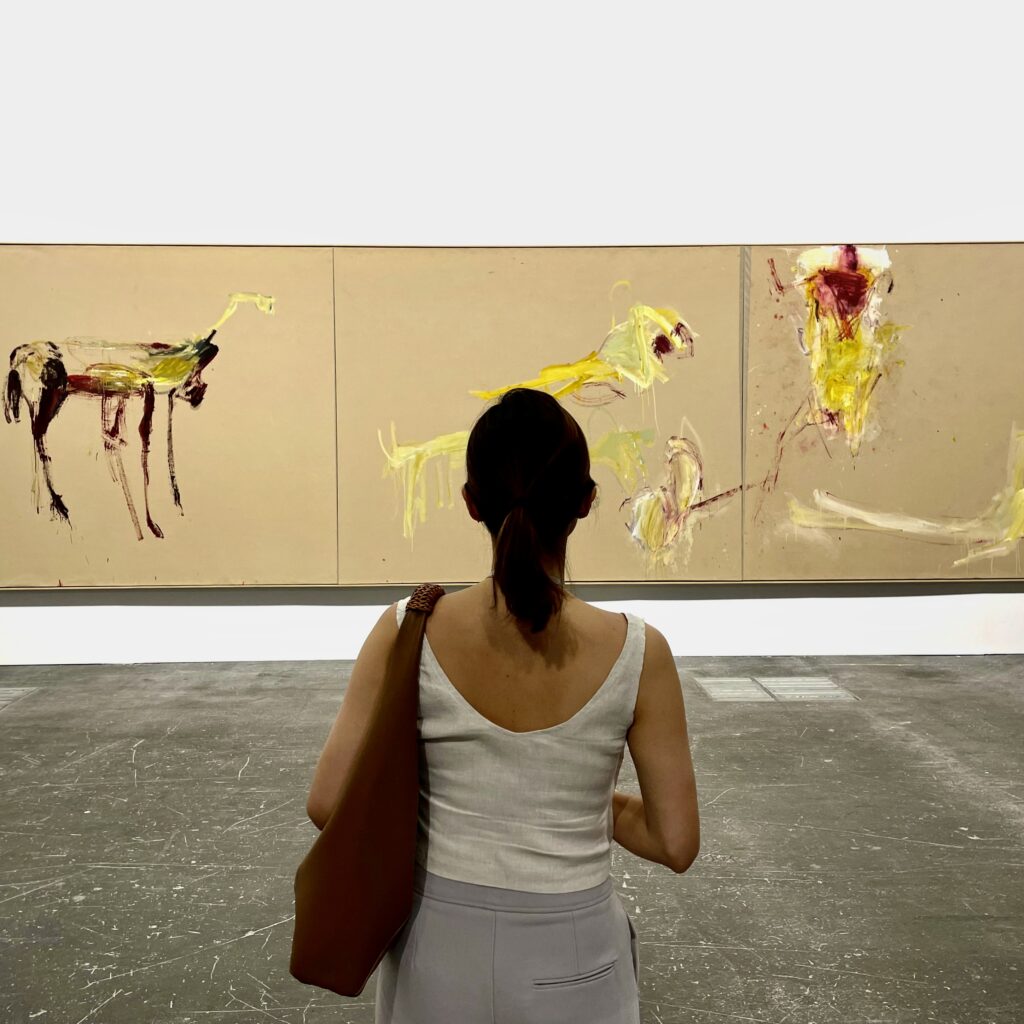
    Martha Jungwirth’s work, Memorial II (Triptychon), is a nearly nine-meter-long frieze-like painting. Made up of oil on paper on canvas, it features animal-like elements painted through rapid paint brushstrokes. The three-part image is mostly sparse, raw and unprimed, making the figures look like they are floating in space.  

    The work is inspired by animals affected by modern environmental disasters and sculpted creatures found in ‘King Tut’s (Tutankahmun’s) tomb in Egypt a century ago. Looking through this long canvas, the painting acts like a window to the past. It portrays a lone creature on the left panel contemplating its uncertain destiny, while streaks elsewhere suggest exposed ribcages or animals’ wiry legs. Jungwirth’s expressive and poetic approach seamlessly connects ancient civilizations to contemporary environmental issues and eternal life and death questions. 

    Born in 1940 Vienna, Jungwirth has developed a unique abstraction grounded in observation and the body. Her work spans over six decades, occupying an intuitive space beyond spoken language and object obtrusiveness. 

    With so many high-impact artworks, Unlimited has proven to be the pulse for global art trends and an excellent platform for artists we need to know now.