Category: Wine

  • For the love of grapes: A Deep Dive into Swiss Wine

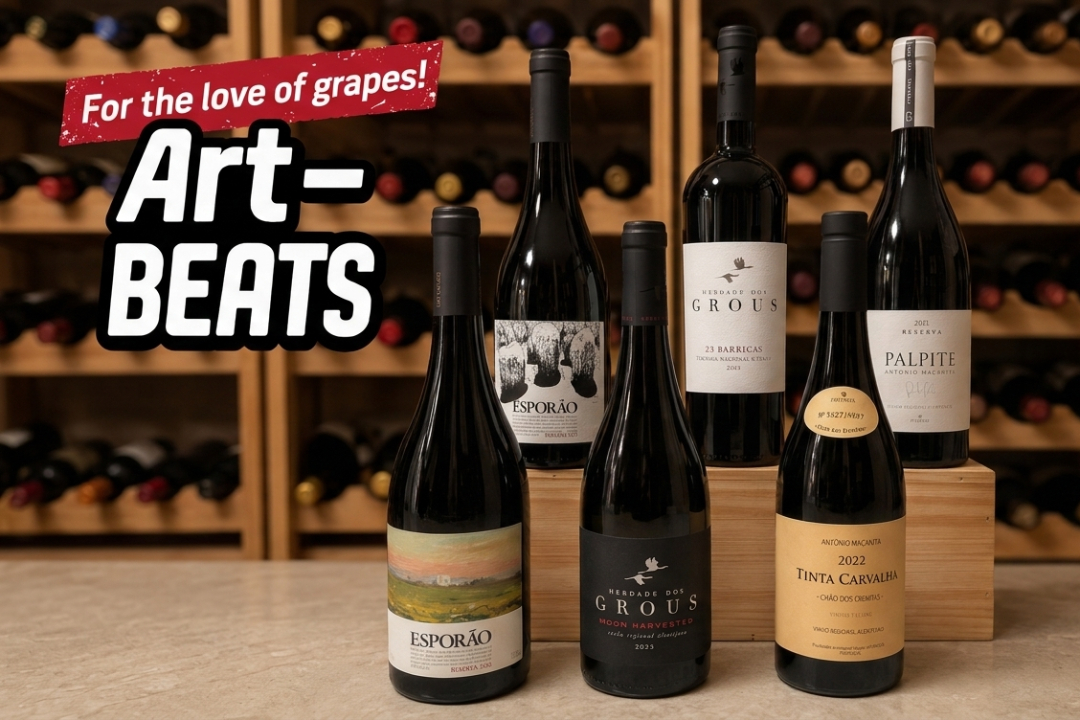
    For the love of grapes: A Deep Dive into Swiss Wine

    When I moved to Zurich back in 2022, I had never encountered Swiss wine. I soon discovered that not only do Swiss consumers thoroughly enjoy wine, but there is a worthwhile local production waiting to be explored. Of course, being surrounded by wine producing neighbours like Italy, France, Germany, and Austria, it’s not that strange to find wine production in Switzerland. So, my curiosity was instantly piqued. How come I had never seen Swiss wine abroad? What makes up the Swiss wine market, and what drives Swiss wine making these days?

    I wanted to learn more about Swiss wine, since it seems to escape the curriculum of many wine courses, and it’s not really talked about outside of Switzerland, which makes it a little bit mysterious, but intriguing. It seems like, the only way to study Swiss wine, is from within the country, which puts me in a great position as I’m currently residing in Zurich.

    The Six Swiss Wine Regions

    Let’s get an overview. Switzerland has six main wine regions; Valais, Vaud, Geneva, Three Lakes, German-speaking Switzerland, and Ticino. There are few other smaller wine producing sub-regions, but I will focus on the six.

    A little fun fact, Valais is the home region of the Europe’s highest located vineyard in the village of Visperterminen, as well as the world’s smallest, in Saillon, which consists of just three vines and has been owned by the Dalai Lama since 1999. I’ll ask him for a sample next time I see him.

    Switzerland has around 2,500 winegrowers who cultivate 14,569 hectares of vineyards. That’s similar in production size to Slovenia, Baden in Germany, or Alsace in France. Valais is the largest wine region with approximately 4,600ha and has around 370 wine producers. Neighbouring region Vaud, is known for its UNESCO World Site listed sub-region, Lavaux, and its steep terraced vineyards along northern coast of Lake Geneva. German-speaking Switzerland basically stretches from central to Eastern Switzerland, where around 800 wine producers cultivate 2,600ha of planted vineyards.

    In terms of appellations, Switzerland has over 60 AOCs (Appellations d’Origine Contrôlée), which ensures the wine, under strict regulation, comes from the stated place of origin, and expresses the regional typicity of geography and wine making know-how. The AOC Grand Cru appellation is not used in all six regions, and does apply extra strict criteria for vine yield and which grape varieties are allowed. It’s a little technical to understand the differences as it varies from region to region, and I personally look more at the producer or particular grape varieties.

    It’s interesting to see that Valais has almost twice as many hectares of vineyards planted than German-speaking Switzerland, but only half the amount of wine producers. It could indicate more homogeneity in Valais, which is enforced by having an AOC Grand Cru appellation, while the German-speaking region looks like a more diverse region with many more smaller producers.

    The Top Wine Grapes Produced


    What makes Switzerland special, is not only its multilingual and cultural mash, and having easy access to key wine market nearby, but it’s local production and indigenous grapes. Similar to other European wine countries, different regions nationally also sort of specialises in certain grape varieties.

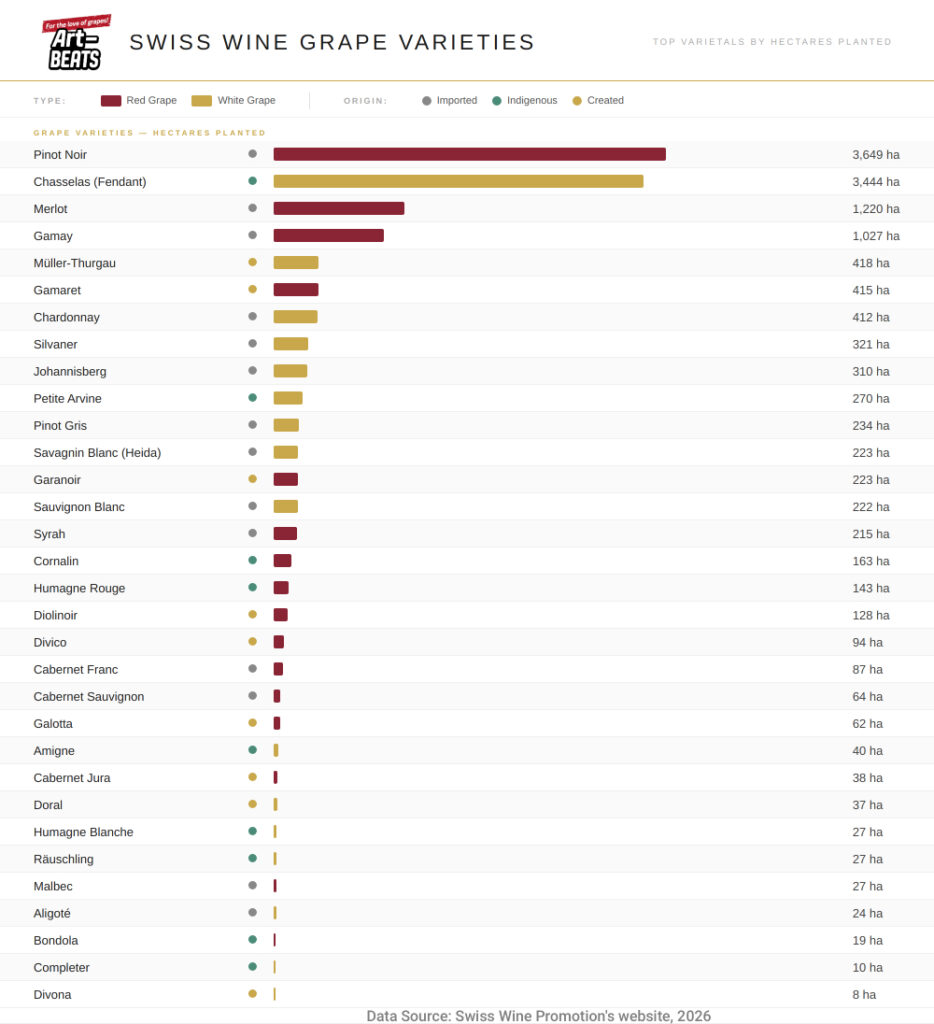
    Currently, around 250 grape varietals are being produced where the most produced varietals lists Pinot Noir, Chasselas, Gamay and Merlot make up around 66%. The grape varietals can be distinguished in three categories; imported grape varieties, indigenous grape varieties, and created grape varieties.

    Pinot Noir, as an imported grape variety, is by far the most produced wine grape. 25% (3,649 ha out of 14,569 ha) of planted vineyards produce Pinot Noir, with German-speaking Switzerland and Valais making up the largest share. Globally, it is one of the most planted varieties, and has been cultivated in Switzerland since the 15th century, which is not odd, considering its origin from around Burgundy, neighbouring Western Switzerland. It is known as a hard grape to grow, and is often seen as the ultimate challenge for winemakers. There is a certain prestige in creating a good wine out of Pinot. It has thin skin and buds early, which makes it sensitive to spring frost. It is often used for single-varietal lighter red wines, and is know to be excellent at expressing the terroir (a combined term for local climate, soil composition, winemaking know-how, and vineyard aspect)under which is was produced. However, it is also used for producing rosé and sparkling wines, so it’s really a multi-functional wine grape.

    More specific to Switzerland, is the second most grown grape, Chasselas (sometimes called Fendant). It is a white indigenous grape variety, and makes up around 24% (3,444 ha out of 14,569 ha) of planted vineyards. It is mainly grown in Western Swiss regions of Vaud, Valais, Three Lakes, and Geneva, and benefits from cool climate and chalky soils. It is often used as an aperitif wine with cheese or snacks, or maybe more famously, paired with Swiss cheese fondue or raclette dishes. It is often light, acidic and fruity, which goes well with fattier foods like cheese or white fish. In my personal encounters of Chasselas, there is no risk of this white wine overpowering the food. Some noteworthy examples of esteemed Chasselas-producing villages includes the UNESCO-listed Lavaux sites in Saint Saphorin and Dézaley, Féchy in La Côte, as well as Yvorne in Chablais.

    Ticino is Merlot. Of course you can find Merlot across Switzerland, and you can find other varieties in Ticino, but it’s dominated by Merlot vineyards, by far. Merlot is one of the world’s most produced grape variety, and is perhaps most known as a blending grape in Bordeaux wines or Supertuscan blends where it contributes to softening the body of wines using higher tannin grapes, while adding fresh cherry and plum notes. It can reach high alcohol levels in more moderate climates, and medium alcohol in cooler climates, so it is a pretty versatile grape that is considered easy to grow.

    In Switzerland, Merlot might be more comparable to the single-variety styles in Friuli, Northern Italy. Ticino Merlots can vary in style from medium to fuller body, and often oak-aged. Interestingly, Ticino also produces Bianco di Merlot (white Merlot), which still uses the red grape, but the vinification process (the winemaking process after harvesting) produce wine as if it was a white wine, meaning no grape skin contact, soft pressing, controlled temperatures during fermentation, there might be ageing “on the lees” (meaning kept in contact with leftover yeast after fermention), and perhaps no or less oak-ageing. These often produces complex and fragrant white wines, and can give vibes of white Burgundy wines. Whether red or white, the Ticino Merlots are a great place to start when diving into Swiss wines.

    The Indigenous Wine Grapes

    This area of wine production is always super interesting to me, the native or indigenous grapes. These grape varieties are unique to a specific location of origin, and are often less recognised outside the country or region of origin. Some of these grape varieties might have been introduced at one point in time, often neighbouring countries, but after centuries of cultivation or playing an important in local wine traditions, they can be considered indigenous.

    Out of Switzerland’s around 250 grape varieties produced, 40 are considered native to the country.

    Chasselas, has already been mentioned as the most planted indigenous grape variety, and other important indigenous grape varieties include the white grape Petite Arvine, mostly found in Valais. In recent years it has garnered great praise and awards in international wine competitions. Typical aromas include grapefruit and rhubarb notes, sometime salinity and zesty acidity.

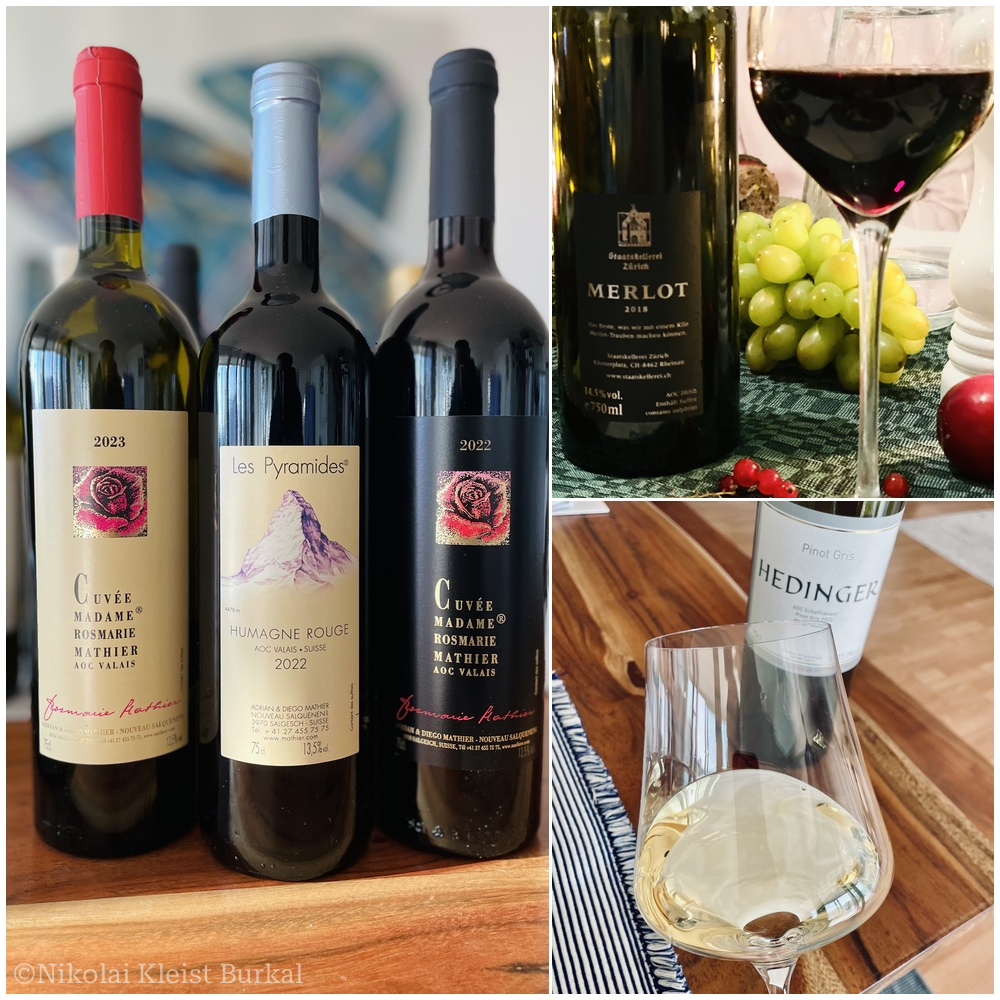
    Similarly, there are red grape varieties like Cornalin and Humagne Rouge. These are considered somewhat rare, but they are not that hard to find in Swiss wine stores.

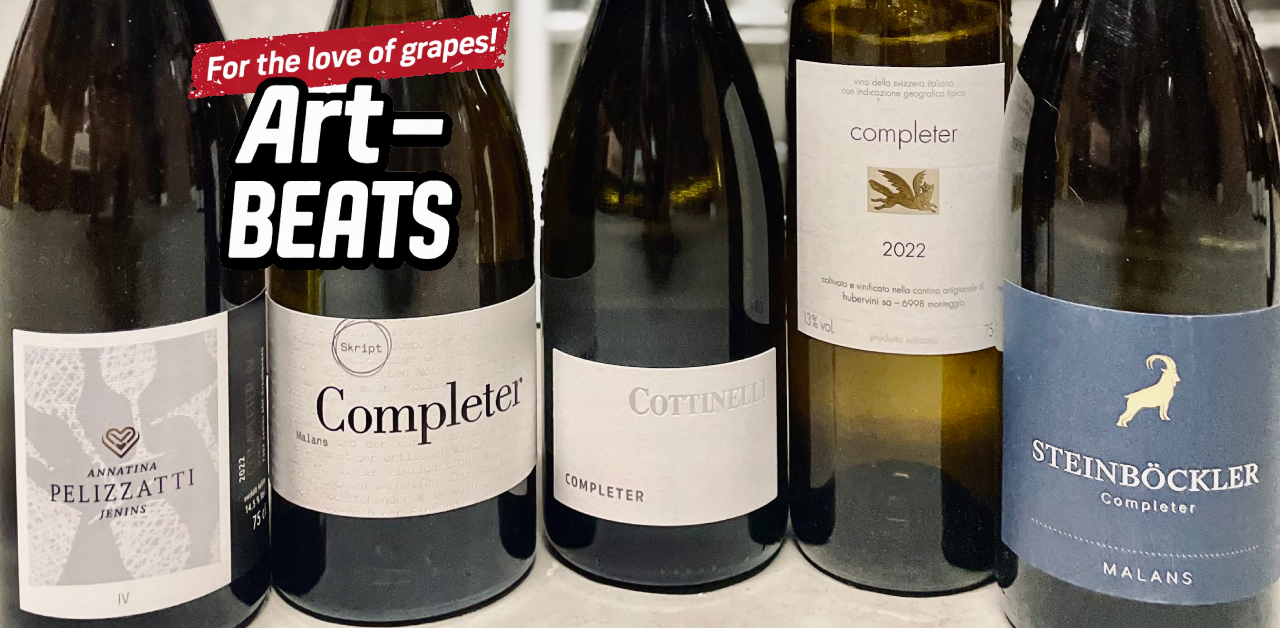
    I want to dedicate some space for an indigenous Swiss white wine variety that has really blown me away. Completer, to me, is probably the best kept secret the country has to offer. There are only around 10 hectares of this variety planted, making it a very rare grape mostly grown in the Graubünden (Grisons) in Eastern Switzerland, but there a some examples in Ticino, Zurich and Valais that I’ve come across. It is hard to find, it is often expensive, and the worst part it, it is absolutely delicious!

    Apparently, this variety was first mentioned in records dating back to 1321, where Benedictine monks in the town of Chur drank this wine after the evening prayer (or “Completorium”, hence the name), making it one of the oldest known grape varieties in Switzerland. It’s a full-bodied aromatic wine, it has high acidity and often tropical fruit aromas like pineapple. Personally, this is my personal favourite Swiss wine grape, and has plenty of star quality.

    I had the pleasure of trying a menu of three Graubünden traditional dishes Capuns (dumplings wrapped in spinach leaves simmered in milk), Maluns (potato bits with apple sauce), and Pizokel (buckwheat pasta dish), with a glass (or two) of Completer. Brilliant!

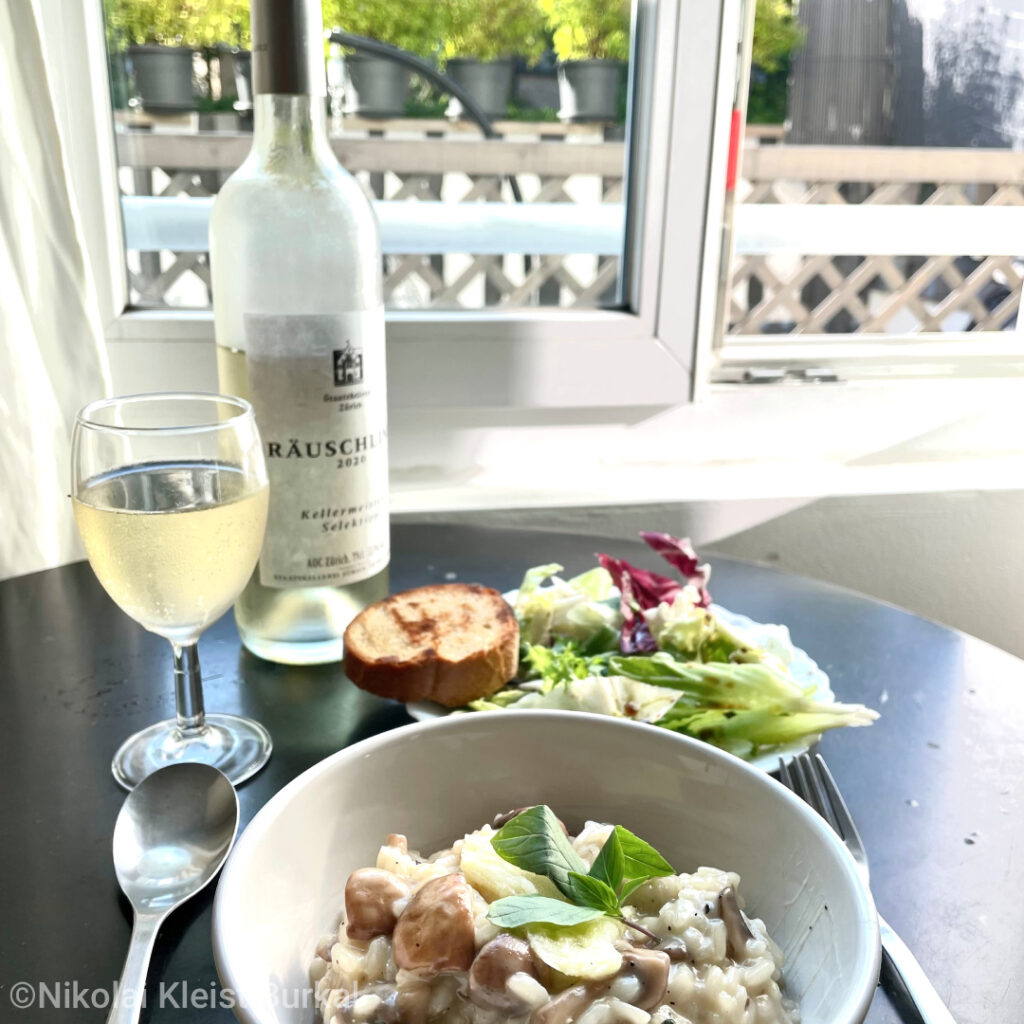
    Another grape variety worth mentioning, is the Räuschling, mostly found around Zurich. It also have a long history of cultivation, with earliest records dating back to 1546. Similar to Completer, it holds high acidity, but unlike Completer, it’s a light and citrussy white wine. It ages well, and can resemble Riesling over time.

    Wine Trends in Switzerland


    I sometimes get the impression that Swiss wine is perhaps a little misunderstood, perhaps more among visitors and expats living in Switzerland, since Swiss wine is not really accessible outside the country. Switzerland is a cool-climate country, meaning, wines produced here will naturally have good acidity, leanness, and freshness. If you are unfamiliar with the general lightness of for example Pinot Noir or highly acidic white wines often produced in cool-climate countries, you might be missing out on the finesse and elegance, which I find synonymous with Swiss wine craft.

    When looking at Swiss wine trends, you are really looking at domestic trends and consumption, and less about Swiss wine enjoyed on the international stage. In recent years, Switzerland has ranked 4th worldwide in terms of wine consumption per capita by consuming 29,7-31,8 litres per person per year (equivalent to 22-28 bottles), whereof around half the bottles were Swiss wine.

    In relation to global consumption, this is still a pretty high consumption per capita. But, the consumption seem to have been decreasing year by year. In terms of sales, local support for Swiss wine is still great, and is even growing compared to imported wines. It has long been the case that about half the wines purchased by Swiss consumers are local wines, and more or less the whole production of wine is consumed locally, meaning there is not enough wine to satisfy the local consumption, so some import is necessary.

    The topic has become politicised by Swiss wine associations, as concerns of cheap imported wines are squeezing out local wines. One of the concerns is that the cultural wine practices and know-how face existential threats. On the other hand, there seems to be two trends worth noting; people might be buying less wine, but they pay more per bottle, and German-speaking Switzerland seem to be doing pretty well, while Western Switzerland seem to be facing more difficulties.

    But those statistics alone doesn’t paint a full picture. Globally, there is a decrease in wine consumption, which can partly be explained be health consciousness (like the WHO’s “no safe level” campaign), consumer habits such as premiumisation of wine (consumers buying less, but spending more per bottle), and other trends like the boom in alcohol-free wine and beverages. My sense is that the same patterns are emerging in the Swiss market as well.

    Some Closing Thoughts

    The production of the most planted grape, Pinot Noir, might seem overwhelming, considering stiff Pinot competition from Burgundy, US, New Zealand, German Baden, or Chile. But the climate is well suited for it, there is an interesting in producing this prestigious grape, and it’s a very versatile food pairing wine, as well as its usage in rosé and sparkling wine. So of course, Switzerland should continue to produce its Pinot, especially if the demand is there.

    However, I personally find other grape varieties more interesting as Swiss products. The indigenous grape varieties like Petite Arvine, Räuschling and especially Completer (I’m aware I just named three white varieties), are not just interesting culturally, they are actually really delicious.

    Indigenous grapes, are great components in local story telling, as well as place marketing. They add a certain “flavour” to places you visit, or they make you want to visit certain places. Considering Switzerland’s two neighbours Italy and France, the two biggest wine producers in the world, Switzerland is a great place for wine lovers. You can find wine from anywhere around the world almost anywhere in Switzerland, as well as a great selection of local wines. It’s amazing to have that access. And it’s a great way to learn about a country and region.

    If Swiss wine has taught me anything, it’s that the most rewarding bottles are often the ones nobody told you to look for.

    Cheers!

    Further reading

  • For the Love of Grapes: Nero d’Avola

    For the Love of Grapes: Nero d’Avola

    This is where Art-Beats’ wine writing begins. As a certified wine lover, my efforts to continuously educate myself will not seize, and it is an opportunity to combine tasting with the history and cultural significance of Sicily’s princely grape, Nero d’Avola.

    I have found, that many wine guides often describe Nero d’Avola in a one-dimensional way, while I have come across styles of the wine that vary greatly. I have also encountered some prejudice towards the grape, that seem different from my own tasting experiences. So, this is my attempt to understand this wine grape better, and in a way that would also benefit others. After all, wine is a shared experience, isn’t it?

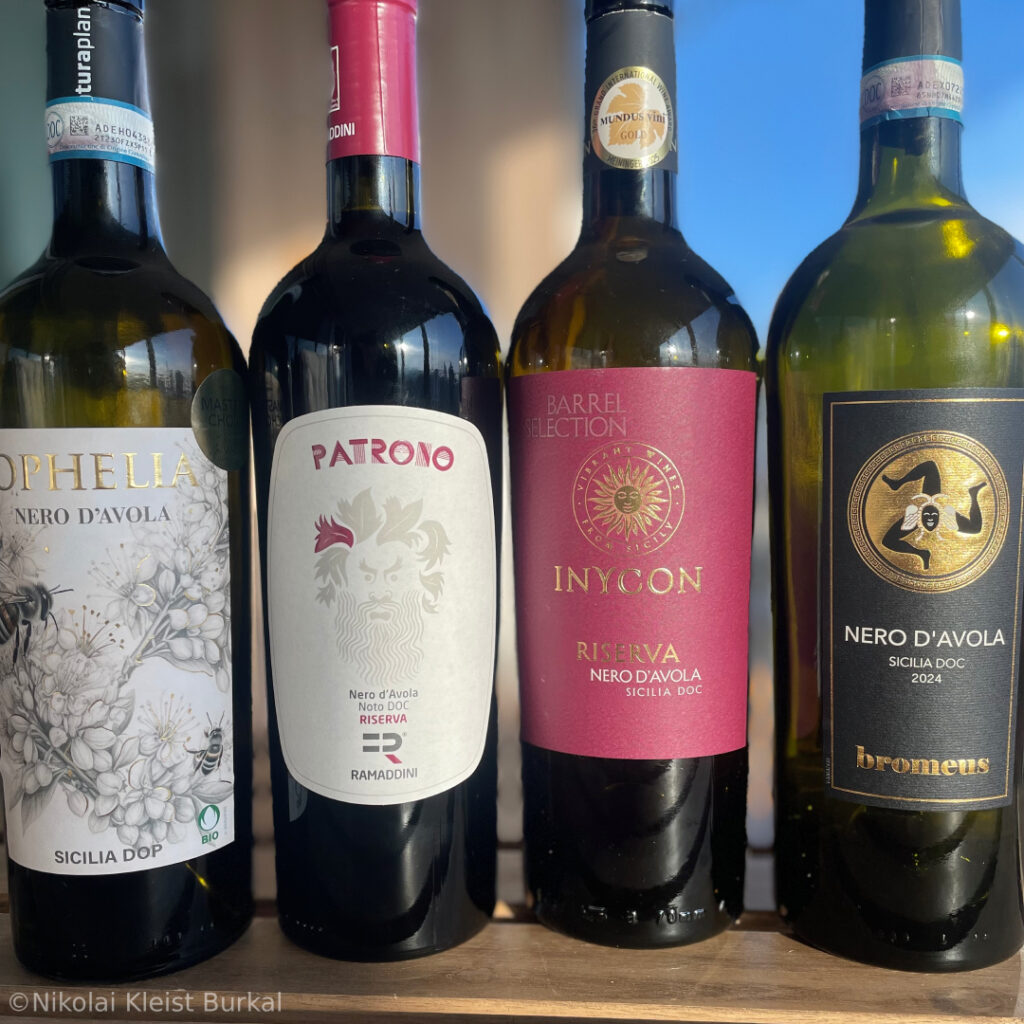
    Examples of Sicilia DOC and Noto DOC wines – all Nero d’Avola

    Why This Particular Grape?

    The inspiration came came a little bit out of nowhere. I was browsing a local supermarket with my partner, who hadn’t shown interest in wine throughout her pregnancy. Suddenly she joined me in the wine section and, to my surprise, reached for a Nero d’Avola. That was just what she felt like. You can imagine I was thrilled to have my tasting partner back!

    Over the past few years, I have built a small wine library while studying for the WSET, or collecting samples from my wine trips. Yet somehow, I’ve sort of overlooked Sicily’s flagship grape. The wine we chose seemed typical for Nero d’Avola: reasonably priced, bold and fruit-forward. Labelled with appellation Sicilia DOC from 2022, a ’Riserva’ (indicating at least some barrel-aging), and from Menfi in Western Sicily. The wine appeared with dark purple colour, well-balanced acidity and alcohol, present tannins, dark fruit-driven, like blackberry and black cherry, with hints of violet, vanilla, and liquorice. Altogether a nice tasty wine. Interesting enough to analyse, approachable enough to simply enjoy.

    This made me think: for the price, is this an underrated grape? I couldn’t recall ever encountering anything else than affordable Nero d’Avola wines. What’s the story behind this grape?

    Three Facts About Nero d’Avola

    The Name and Greek Origin: Though considered indigenous to Sicily, evidence suggests Greeks brought the grape over 2,000 years ago when settling in Southeastern Sicily. “Nero d’Avola” translates to “Black of Avola” referring to the grape’s dark skin and the town of Avola. In the 18th century, merchants misleadingly marketed it as “Calabrese” since nearby Calabria held more prestige in the French market. However, “Calabrese” may derive from the Sicilian dialect “Calavrisi” (meaning from Avola) or the Greek “kali vrisi” (good grape or good spring). These explanations underscore the grape’s ancient cultivation and possible Greek linkage.

    A Heat-Resistant Grape for the Future? Nero d’Avola thrives in Sicily’s Mediterranean climate, with very hot, dry summers averaging 30-35°C. The grape tolerates extreme heat where other varieties fail while retaining its wine character. This resilience has attracted attention from regions worldwide feeling the impacts of global warming, including South Africa, the US, and Australia.

    Renaissance and Saviour: Beyond climate adaptation, Nero d’Avola served as a workhorse during the 19th-century phylloxera crisis, which destroyed two-thirds of European vines. Its intense colour and high alcohol played a significant supporting role in helping the paler Northern Italian and French wines at the time, who were suffering from the crisis and was dubbed “le vin médecine” (medicine wine). It later transformation from humble blending grape to signature varietal began in earnest in the 1980s through the efforts of pioneering Sicilian winemakers.

    ©Tasca d’Almerita, Tenuta Regaleali estate in Sclafani, Sicily.

    The Pioneers Who Changed Sicilian Wine

    To understand Sicilian wine today, we must look at the pioneers in the 1980s and 1990s. Through their refined approach to Nero d’Avola, they transformed the quality and reputation of Sicilian wine, establishing it as a distinguished single varietal with a distinct expression.

    Giuseppe Tasca d’Almerita (Tasca d’Almerita): Perhaps the earliest pioneer, beginning his quality revolution in the 1970s at the family’s historic Regaleali estate. He was one of the first to recognise Nero d’Avola’s potential for producing age-worthy, complex wines when yields were reduced and vinification carefully controlled.
    Flagship wine: Rosso del Conte (1970).

    Franco Giacosa (Duca di Salaparuta): Revolutionised Sicilian winemaking in the 1980s by applying rigorous vineyard selection and blending Nero d’Avola with international varieties. He demonstrated that Sicilian wines could compete globally with elegance and structure, moving away from rustic, heavy styles. His approach to oak aging and emphasis on balance helped redefine what Nero d’Avola could achieve.
    Flagship wine: Duca Enrico (1984).

    Diego Planeta (Planeta): As president of Sicily’s Settesoli cooperative and founder of his family winery, Diego Planeta was the ‘architect’ of modern Sicilian wine. He conducted terroir research to understand soils and to figure out the right grape clones, introduced modern winemaking techniques like temperature-controlled fermentation and the use of barriques for ageing wine.
    Flagship wine: Santa Cecilia (1997).

    ©Donnafugata, estate in Contessa Entellina, Sicily.

    Giacomo Rallo (Donnafugata): Founded Donnafugata with his wife Gabriella Anca Rallo and pioneered terroir-driven Sicilian wines. He recognised that Nero d’Avola could produce wines of finesse and complexity when grown in the right locations and handled with care. His philosophy focused on respecting the grape’s character while employing modern techniques.
    Flagship wine: Mille e Una Notte (1995).

    COS (Giambattista Cilia, Giusto Occhipinti, Cirino Strano): Founded in 1980, this trio took a radically different approach, embracing natural winemaking, biodynamic viticulture, and ancient techniques like amphora fermentation. While other pioneers looked to modernisation, COS looked to the past, proving that Nero d’Avola could express profound terroir through minimal intervention.
    Flagship wine: Pithos Rosso (2000).

    The “Prince of Sicily” – Different Styles

    Nero d’Avola has earned the nickname the “Prince of Sicily” through remarkable versatility. From powerful, oak-aged bold wines to elegant, terroir-driven expressions, this grape has demonstrated great versatility.

    How to Identify the Style from the Label
    Unlike some regions where appellations strictly dictate style, Sicilian Nero d’Avola might require a little detective work:

    Appellation: Cerasuolo di Vittoria DOCG, is currently the only DOCG from the island (blended with other local grape Frappato) tends toward elegance and finesse, while sub-regions like Noto DOC can be full-bodied, as well as express leaner styles. Sicilia DOC hint a broad regional sourcing, and typically an approachable style of wine. Specific DOCs (like Noto, Etna, Eloro) are typically more terroir-focused, often of higher quality. The appellation level is more an indication of the strictness of requirements of the wine producers than a quality label, and is meant to set certain expectations of wines for consumers.

    Single-estate vs. cooperative: Single-estate wines (look for “tenuta” or specific vineyard names) usually indicate more terroir-focused approaches, while cooperative bottlings may lean toward approachable, fruit-forward styles.

    Alcohol level: Often, wines above 14% ABV signal riper fruit and fuller body, while 12.5-13.5% could suggest leaner and fresher wines, cooler sites or earlier harvesting for more freshness.

    Blend or varietal: a DOC or IGT wine labelled ‘Nero d’Avola’ alone means at least 85% Nero d’Avola, where a smaller percentage can include Frappato or other varietals. IGT classifications often indicate blends with international varieties like Cabernet Sauvignon, Merlot, or Syrah/Shiraz.

    Riserva” might appear on the bottle indicating extended barrel aging (it does not indicate large or small oak, new or old barrels). But, one can expect softer tannins, and aromas such as vanilla, tobacco, smoke, or spice notes. Most often these are fuller body wine with some added complexity. It is a style choice rather than a quality label.

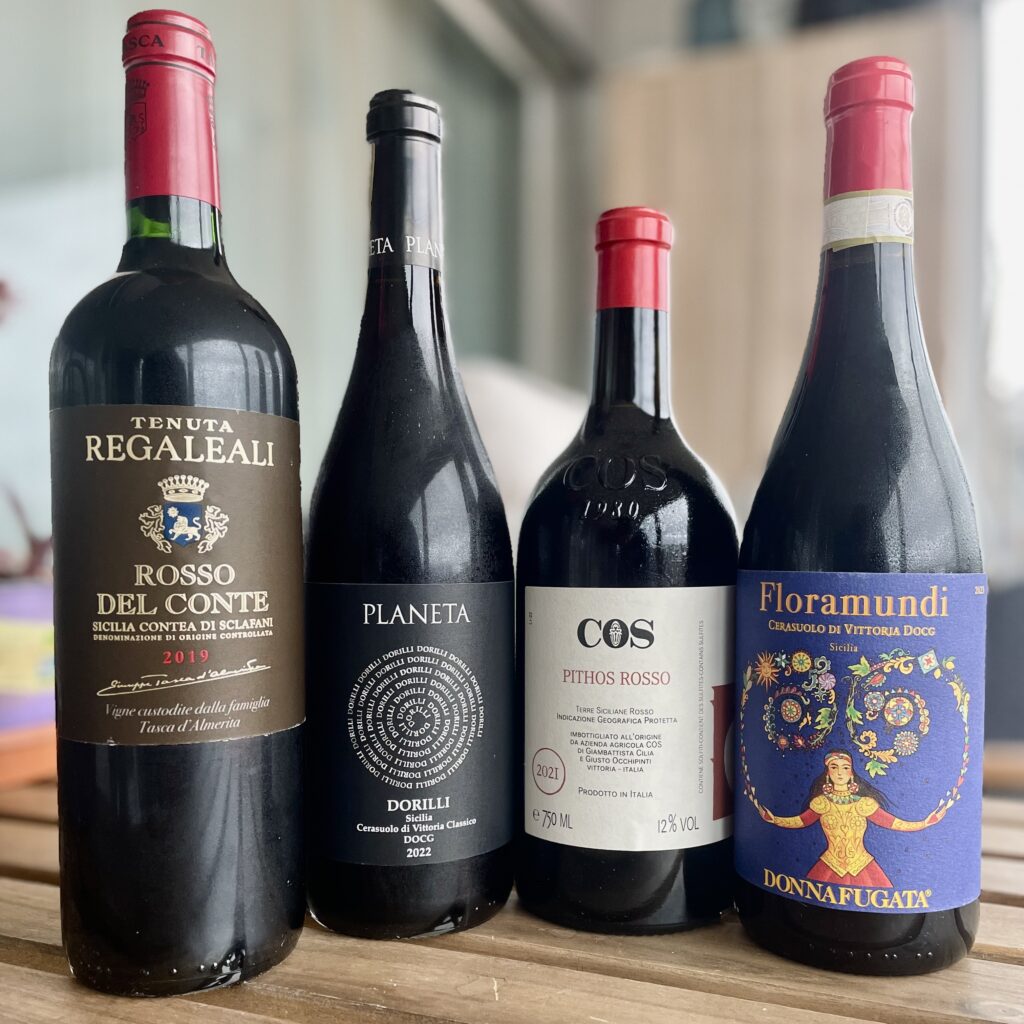
    Examples of DOC and DOCG wines from across Sicily’s sub-regions.

    Soils and Their Impact on Flavour

    Sicily’s geological diversity profoundly shapes Nero d’Avola’s character:

    Limestone soils: Locally referred to as “Terre Bianche” meaning white earth. Notably around Noto and Elope (southeastern Sicily. Provide excellent drainage and moderate vigour, yielding wines with pronounced “minerality”, elegant structure, bright acidity, and refined tannins.

    Clay soils: Notably Menfi and Sambuca di Sicilia. Retain moisture during hot summers, can produce fuller-bodied wines with riper fruit character, softer tannins, and generous texture—but sometimes less acidity.

    Volcanic soils: Famously found around Mount Etna and parts of western Sicily. Contribute distinctive mineral complexity, smoky notes, and saline quality. The porous nature provides good drainage while adding depth to the wine’s profile.
    This soil diversity means that Nero d’Avola from Noto tastes markedly different from wines grown in Contessa Entellina or near Etna’s foothills.

    Main styles comparison to other wines

    Nero d’Avola is a bit of a chameleon grape. It is known as a versatile grape that is good at expression different terroirs. However, I see many wine guides and sites describing it, and maybe a bit too general and simplified, as just a bold black fruit driven wine with power and high alcohol. In my experience, there is not one overall style of Nero d’Avola wine, so this description can perhaps confuse consumers.

    The combination of soil, vineyard aspect, and winemakers’ choices (like harvest timing, blending, and ageing) ultimately determines the style of each example of wine, but I find, there are two main types that can be identified; the bolder and the lighter styles.
    I would love to just say, in southeast Sicily they produce leaner and elegant red fruit-driven wines, and Central Sicily, they produce bolder black fruit-drive wine. But, it is not always that straight-forward.

    Bolder Styles – this style is usually characterised by aromas of dark fruit (like blackberry, black cherry, plum), jam and liquorice, and with oak-ageing notes of chocolate, tobacco, and vanilla. These often have a higher alcohol content (14%+). The tannins are often more “structured” (meaning prominent and mouth-drying) and contributes to wines age-worthiness. These styles of Nero d’Avola are sometimes compared to Cabernet Sauvignon, Syrah/Shiraz, and Primitivo/Zinfandel.

    Lighter Styles – this style is more characterised by fragrant aromas of red fruit (red cherry, raspberry, and strawberry), and dried herbs, but likely less oak ageing to preserve the freshness and fruit character. This style is likely to be less tannic, and can resemble a bolder style of Pinot Noir or leaner style of Grenache.

    Super Sicilian Blends – additionally, to the styles above, many producers craft blends combining Nero d’Avola with international varieties. Nero d’Avola + Cabernet Sauvignon adds structure and aging potential. Nero d’Avola + Syrah creates exotic, spicy wines. These blends typically carry IGT designations, allowing creative freedom.

    Premiumisation and Authenticity

    The global wine market is experiencing a dual shift; producers moving toward quality over quantity (premiumisation), while consumers increasingly seek authentic, distinctive wines, and especially native grapes that tell a story of place.

    Nero d’Avola embodies this perfectly. Once dismissed as rustic bulk wine, it has transformed into Sicily’s signature grape—a cultural ambassador representing the island’s sun, soil, and heritage. The global Nero d’Avola market was valued at approximately USD 1.43 billion in 2024, with steady growth projected through the 2030s, driven by rising wine tourism, growing interest in indigenous varietals, and increased organic production.

    Nero d’Avola’s appeal lies in its authenticity and versatility due to its expressive fruit character, food-friendly nature, and often approachable pricing make it accessible to casual drinkers and enthusiasts alike. It now confidently stands alongside established European reds while maintaining its distinctive Mediterranean personality—proof that local identity and global recognition need not be mutually exclusive.

    However, don’t judge by one bottle—try different sub-regions and styles to discover your preference and understand this versatile grape’s range. Cheers!

    For further reading

    See also related articles:

  • Art and Wine: Creativity, Taste, and the Trained Senses

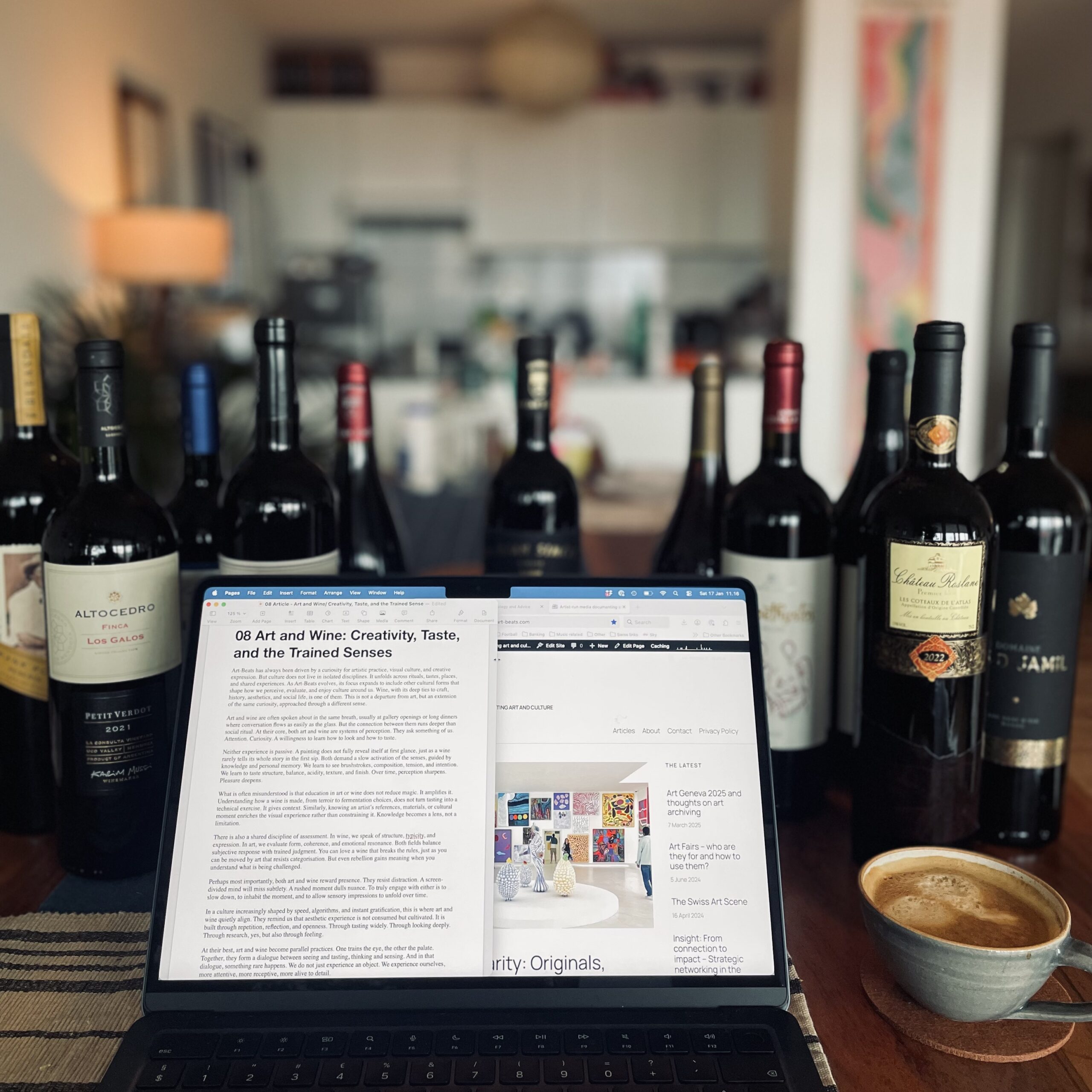
    Art and Wine: Creativity, Taste, and the Trained Senses

    Since its launch, Art-Beats has been driven by a curiosity for artistic practice, visual arts, and cultural expression. But cultural disciplines do not exist in isolation. They are expressions of a shared cultural fabric, shaped by overlapping histories, practices, and ways of sensing the world. Culture unfolds across rituals, tastes, places, and shared experiences.


    As Art-Beats evolves, its focus aims to expand to include other cultural forms that shape how we perceive, evaluate, and enjoy the world around us. Wine, with its deep ties to craft, history, place, and social life, is one of them. This is not a departure from art coverage, but an extension of the same curiosity, approached through different sensory experiences.


    A Shared Cultural History: Art and Wine in Dialogue

    Caravaggio, Bacchus (c. 1598). Uffizi Gallery, Florence.


    The relationship between art and wine is also deeply embedded in cultural history. Wine has been a recurring subject in fine art for centuries, from Caravaggio’s Bacchus to the convivial scenes of Dutch Golden Age still life paintings or vanitas, where wine symbolised abundance, indulgence, and moral tension, like the fleeting nature of earthly pleasures and worldly pursuits.

    In contemporary culture, the dialogue between art and wine has become increasingly deliberate and conceptually rich. One of the most enduring examples is Château Mouton Rothschild, which since 1945 has commissioned leading artists to design its annual labels, including Pablo Picasso, Andy Warhol, and Gerhard Richter. These wine labels have become cultural markers, embedding each vintage within the artistic language of its time and transforming the bottle into a collectible object that carries both aesthetic and historical value.

    Pieter Claesz, Still Life with Herring, Wine and Bread (1647). Los Angeles County Museum of Art, Los Angeles.

    More recently, artists have begun to engage with wine not only as surface but as form and narrative. Daniel Arsham’s reinterpretation of the Moët Impérial bottle, rendered as a futuristic archaeological artefact, repositions the champagne as an object suspended between past and future, consumption and preservation. The work echoes Arsham’s broader practice of imagining contemporary objects as relics, and in doing so, invites reflection on how cultural value is constructed and remembered.

    Beyond high-profile collaborations, a growing number of producers are embracing art-inspired labels and artist partnerships as a way of articulating identity, place, and philosophy. In these cases, visual language becomes a means of storytelling, offering an entry point into the wine’s origin, values, and sensibility.

    Passion Assets, Perception, and Experience

    Luxury wines, some with hand-painted labels displayed at Tenuta Torciano Winery in Tuscany, Italy

    Art and wine are often spoken about in the same breath, usually at gallery openings or long dinners where conversation flows as easily as the glass. In financial portfolio management, as defined by the CFA Institute, they are even considered part of the same asset class, categorised as passion assets or collectibles. But the connection between them runs deeper than social ritual. At their core, both art and wine are assessed through systems of perception. They encourage engagement. Demand attention. Evoke curiosity. A willingness to learn how to look and how to taste. And perhaps most importantly, both art and wine reward presence.


    Neither experience is passive. An artwork does not always reveal itself at first glance, just as a wine rarely tells its whole story in the first sip. Both often require a slow activation of the senses, guided by knowledge and personal experience. By intentionally looking, we learn to see brushstrokes, composition, expression, and intention behind an artwork. Sip by sip, we learn to taste structure, balance, acidity, texture, and finish of a wine. Over time, our perception sharpens. Pleasure and appreciation deepens.

    Assessment, Criticism, and Contemporary Pressures

    There is also a shared discipline of assessment. In wine, we speak of structure, typicity, and expression. In art, we evaluate form, coherence, and emotional resonance. Both fields balance subjective response with trained judgement. You can love a wine that breaks the rules, just as you can be moved by art that resists categorisation or conventions. But even rebellion gains meaning when you understand what is being challenged.
    Both art and wine are also shaped by ongoing criticism, debate, and shifting evaluative frameworks. In wine, discussions increasingly centre on how climate change is altering traditional styles and regional identities, how producers respond to evolving consumer expectations around sustainability and moderation, and how economic pressures affect production and distribution. These debates challenge long-held notions of typicity and quality, prompting producers and critics alike to reconsider what excellence looks like in a changing world.

    In the art world, assessment is similarly influenced by broader cultural and structural pressures. Questions of access, visibility, and economic sustainability continue to shape artistic practice, alongside debates about how digital platforms, institutional gatekeeping, and global audiences redefine value and authorship. At the same time, artists are navigating expectations around authenticity, social relevance, and cultural responsibility, often working across disciplines and formats that resist traditional modes of critique. In both fields, judgement is no longer fixed but negotiated, reflecting a cultural landscape in flux.

    Final Thoughts

    In a culture increasingly shaped by speed, algorithms, and instant gratification, this is where art and wine quietly align. They remind us that aesthetic experience is not consumed but cultivated. It is built through repetition, reflection, and openness. Through tasting widely. Through looking closely. Through research and experience, yes, but also through feeling and sensing.

    Further Reading & Sources: