
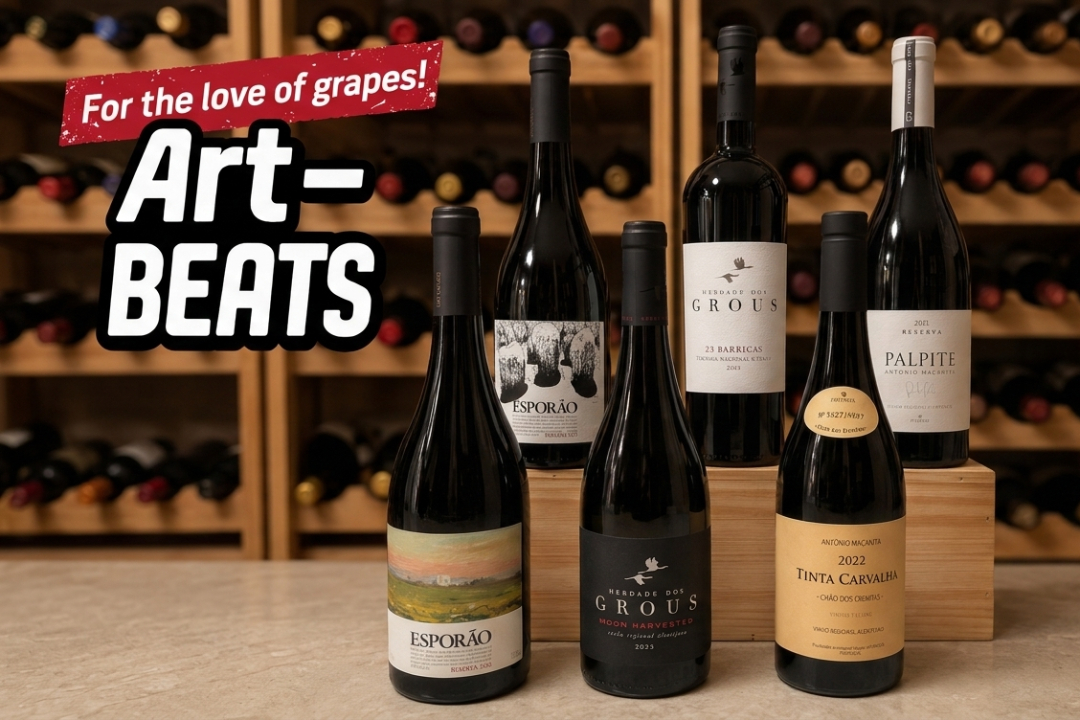
In this article, we will look into Portuguese wine, more specifically Alentejo, the country’s leader in certified wine, accounting for around 40% of total sales value across Portugal’s 14 wine regions. Wine from the Douro Valley might be more known internationally due to its Port wine heritage, but domestically, Alentejo is appreciated greatly for its full-bodied, high-end estate wines.
As in previous articles, my reason for picking up a wine topic is to educate myself and share what I find along the way. This time I’ve knocked it up a notch: below, you’ll find three interactive graphics:
- A clickable map of Alentejo’s eight sub-regions
- An overview of Alentejo’s main grapes
- A breakdown of Alentejo’s wine styles
I picked Alentejo because I’ve long felt it’s a little undeserved, too often filed away as a decent value-for-money red and not much else. That reputation does seem to be shifting, though, from budget-friendly workhorse toward something more refined and complex: a region increasingly discussed for its climate resilience as much as its price tag.
A Brief History of the Alentejo Region
Alentejo Wine Sub-Regions
Click a sub-region on the map to see its trivia, topography, soil type, and wine styles.
Simplified illustrative map for editorial use — not a surveyed cartographic boundary. Regional data compiled from CVRA, Wikipedia, and press sources.
The region of Alentejo stretches from east of Lisbon almost all the way south to the Algarve and along the Spanish western border. It’s flat, dry, and hot in the summer, with cork oak forests (the montado) and wheat fields stretching between the vineyards, quite different from the UNESCO-designated terraced hillsides you’d picture in the Douro Valley.
The regional appellation, Alentejo DOC, is made up of eight sub-regions: Portalegre, Borba, Redondo, Reguengos, Vidigueira, Évora, Granja-Amareleja, and Moura.
Portalegre, tucked into the northeast against a mountain range, is the outlier. Located at cooler and higher altitude, with granite soils, and the sub-region that manages to produce the freshest wine in Alentejo. Vidigueira, at the southern end, catches cooling Atlantic air and has the widest diurnal temperature variation, which helps preserve acidity in a region that could otherwise easily produce flat, jammy wine. All told, there’s around 23,300 hectares of vines under production (similar to Pfalz, Germany, and a little smaller than Provence, France), farmed by close to 1,800 growers and bottled by around 280 producers.
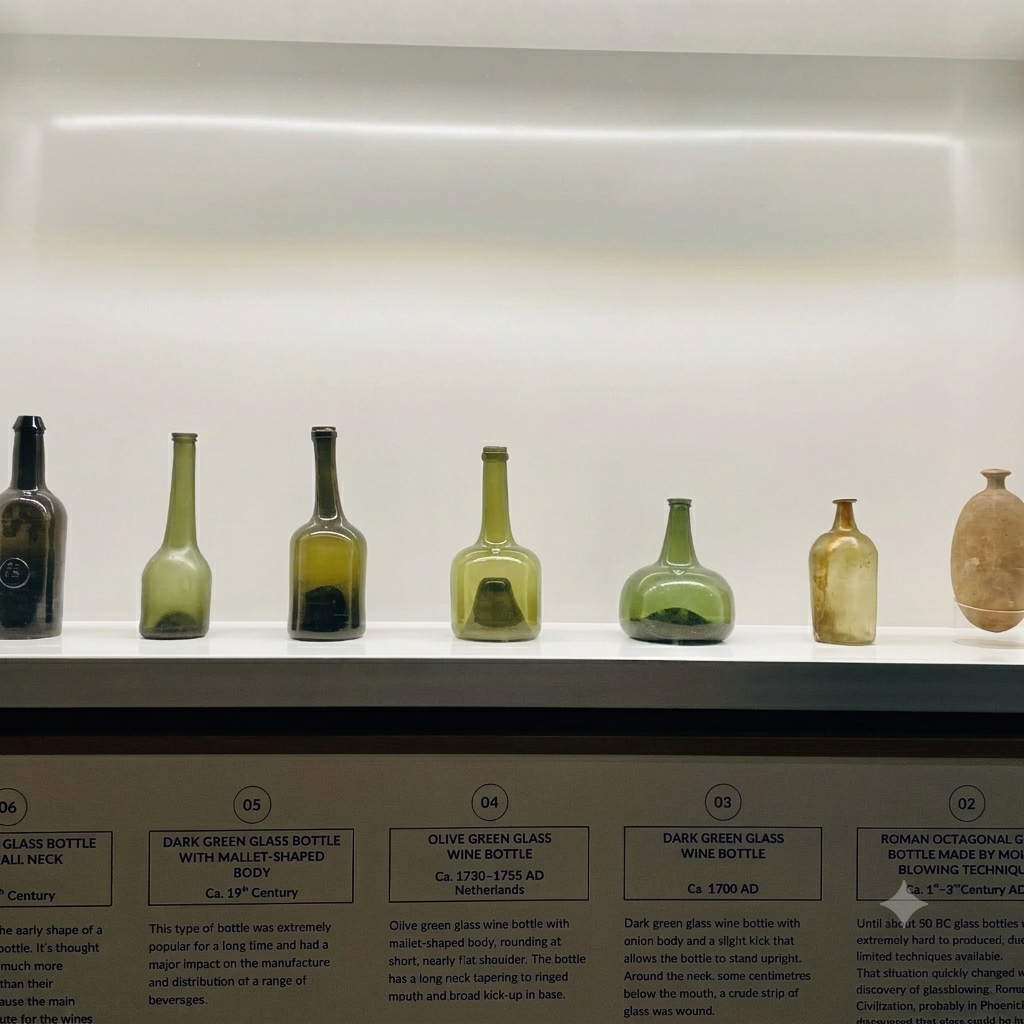
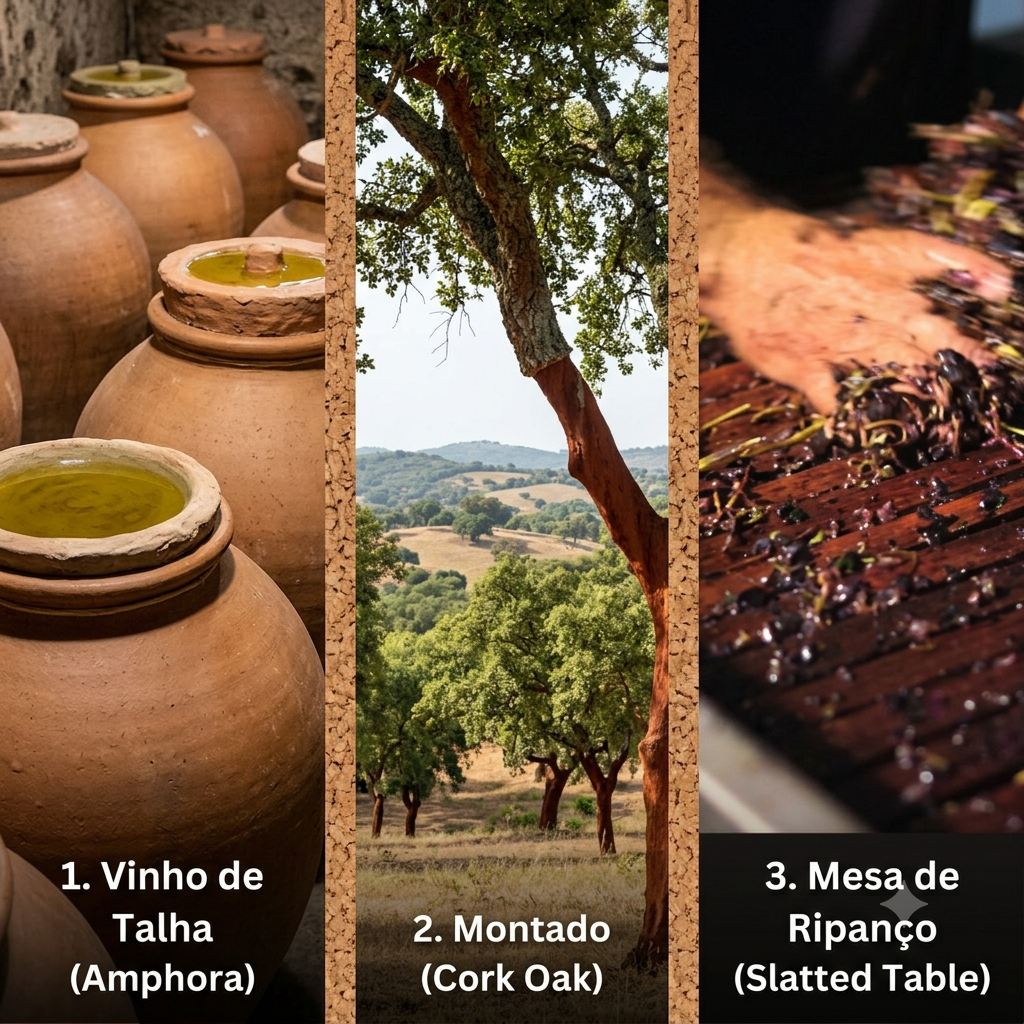
Vines have been grown here since long before there was a Portugal to grow them in. The Romans founded the city of Beja (then Pax Julia) in the first century BC, and viticulture expanded quickly afterward. What’s remarkable is that a distinctly Roman winemaking method never actually left: Vinho de Talha, wine fermented and aged in enormous clay amphorae called talhas, some up to two metres tall and capable of holding 2,000 litres of must. The grapes are crushed and left in the clay vessel, skins and all, where they ferment and age without oak, steel, or anything else. While most of Europe moved on to barrels, then concrete, then steel, Alentejo just kept using clay, and in 2010 formalised it into its own appellation, Vinho de Talha DOC, one of the few places in the world where a two-thousand-year-old Roman technique is still a living, DOC-regulated category rather than a museum piece.
The Main Grapes of Alentejo
Main Grapes of Alentejo
Red varieties
White varieties
Click on a grape to see more
The region’s know-how also shows in its grapes. Alentejo primarily focuses on red wine, which makes up around 80% of production. Main red grape varieties include Aragonez (the Portuguese name for Tempranillo), which brings structure and red-fruit lift; Trincadeira, which contributes a darker, herbier, more tannic backbone; and Alicante Bouschet, which supplies the colour, the texture, and often the personality.
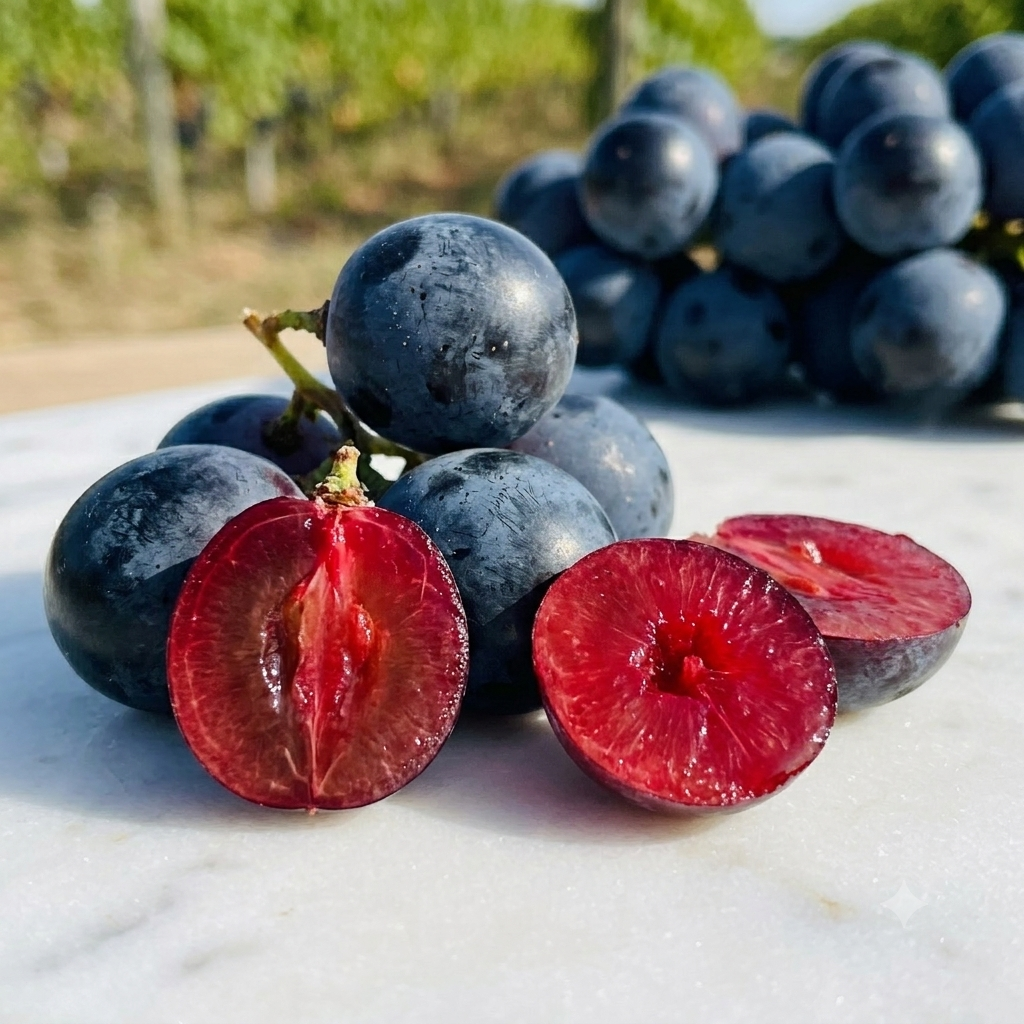
Alicante Bouschet is the one I keep coming back to: a teinturier variety with unusual red flesh, not just red skin, created in France in 1866 (a crossing Grenache of Petit Bouschet) but somehow finds itself more at home in Portugal, and particularly in Alentejo, than in its country of origin. It arrived in Alentejo between 1870 and 1890 and took hold after phylloxera devastated European vineyards. Its generosity and disease tolerance made it the obvious replanting choice. For decades it was treated as a bulk blending grape, valued only for adding colour to paler wines. Alentejo is now where it gets to be the headline act, bottled as a serious single-varietal by ambitious producers. On the white side, Antão Vaz handles the heat with waxy, stone-fruited structure, while Arinto brings acidity and citrus lift to keep things fresh.
The climate-resilience angle isn’t just marketing, either. In 2011, Esporão planted an ampelographic field of 189 grape varieties under three different watering regimes; full irrigation, moderate stress, and no irrigation. This was to see which held up as summers got hotter and drier. The findings pointed back to the region’s own long-established vines: old, long-cycle varieties like the indigenous Trincadeira, and the deeply naturalised Aragonez (Tempranillo, originally from Spain), coped best. This reinforced the case for leaning on grapes already suited to Alentejo’s heat rather than replacing them with newer, thirstier international varieties.
And then there’s the landscape itself, which is its own kind of know-how. The montado, the open, park-like cork oak and holm oak forest that interweaves with the vineyards, is one of the most biodiverse agricultural ecosystems in Europe, and Portugal holds the largest cork oak forest in the world.
Vineyards here don’t sit apart from that ecosystem; they sit inside it, which pushed the region toward the Wines of Alentejo Sustainability Program (WASP) in 2015, the first of its kind in Portugal. Certified producers must meet at least 86% of 171 criteria spanning viticulture, winemaking, and social responsibility. Around a third of Alentejo’s production now carries the WASP seal, with nearly two-thirds of the region’s vineyard area enrolled. This is a meaningfully large and extensive investment in sustainability rather than a box-ticking exercise.
Six Producers Worth Knowing
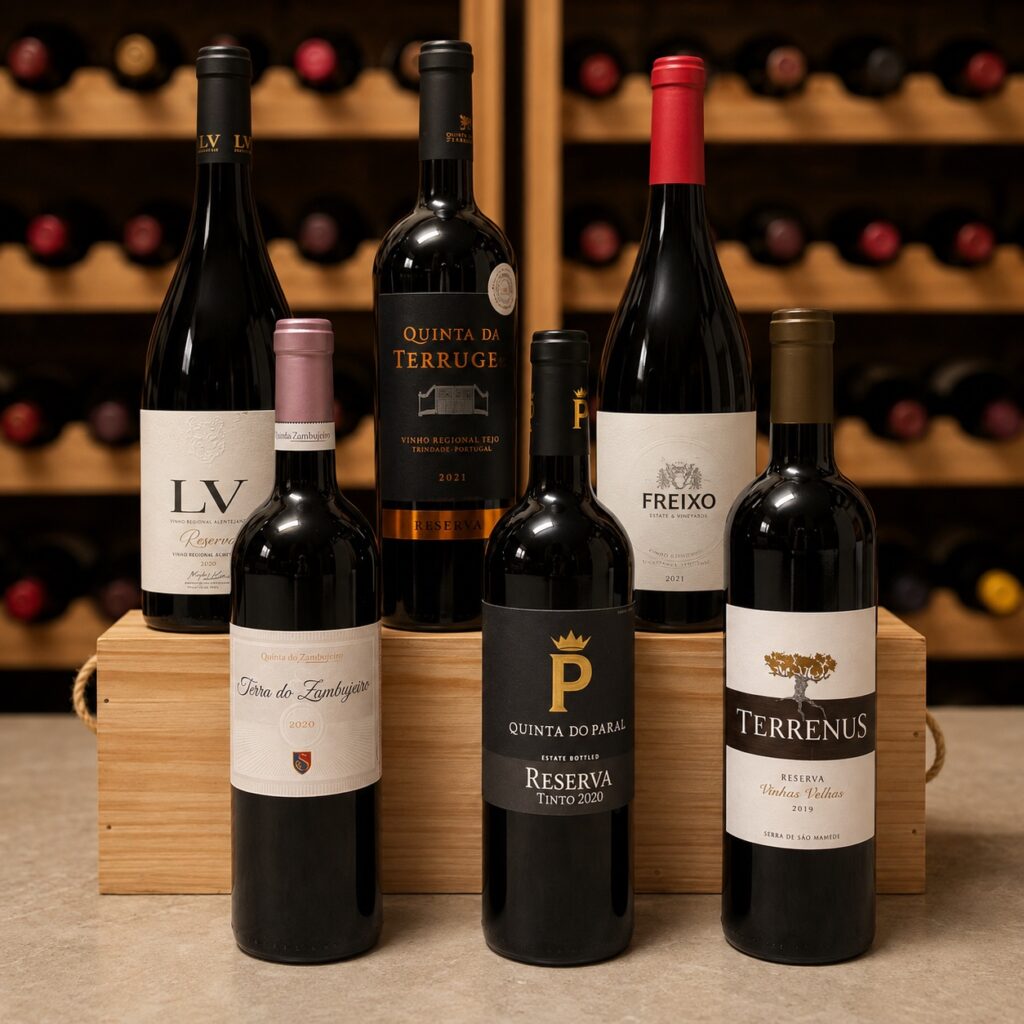
If you want to actually taste what makes Alentejo distinctive, these are a good place to start. Each producer represents a different piece of the region’s story.
Herdade do Esporão – Bought in 1973 by José Roquette and Joaquim Bandeira, Esporão didn’t get going as a serious wine estate until the 1980s, but it’s since become one of Alentejo’s largest and most internationally recognised names, and arguably the region’s sustainability flagship: bio-dynamic-certified, with a range that runs from the everyday Monte Velho up to serious single-vineyard wines.
- Flagship wine: Reserva (red and white, produced since 1985) — the estate’s benchmark expression of Alentejo, alongside the ultra-rare Torre, made only four times since 2004. If you only try one Alentejo producer, this is the one that shows the full range of what the region can do.
Cartuxa (Fundação Eugénio de Almeida) – A 400-plus-year-old estate in Évora named for the neighbouring Carthusian monastery, and home to Pêra-Manca, one of Portugal’s most prestigious cult wines. First recorded in 1488 and once served at royal tables, the Pêra-Manca label lapsed after phylloxera and political upheaval, then was revived by Cartuxa in 1990. Unusually, profits support the Fundação Eugénio de Almeida’s charitable work across the region for causes like hospitals, schools, and social housing.
- Flagship wine: Pêra-Manca Tinto (and Branco) – a definite premium-segment wine, but perhaps worth seeking out for history and prestige as much as for what’s in the glass.
João Portugal Ramos (Vila Santa) – The pioneer most credited with modernising Alentejo’s reputation. A trained agronomist and oenologist, he began producing his own wines from Estremoz vineyards in 1992. Vila Santa, named after the nearby town of Estremoz, was his first label, and he built the Vila Santa winery in 1997, later expanding into a multi-regional group. Alentejo remained his proving ground, and his influence as a consultant rippled out to estates across the region.
- Flagship wine: Marquês de Borba, his most emblematic brand, made since 1997 and named for the Borba sub-region where his estate sits.
Cortes de Cima – Located in Vidigueira, founded in 1988 by Danish-American couple Hans Kristian and Carrie Jørgensen, who planted Syrah before it was even an approved variety under Alentejo DOC rules. Technically, breaking the rules in pursuit of a better wine. Their daughter Anna took over in 2019 and has pushed the estate further toward organic and bio-dynamic farming. A good example of an outsider’s perspective sharpening a local tradition rather than diluting it.
- Flagship wine: Incógnito, a 100% Syrah, first made in 1998 and named for the fact that Syrah couldn’t legally be named on the label at the time, though if you look closely at the back label, the initials of five words in the description spell it out anyway.
Herdade do Rocim – Founded in 2000 by José Ribeiro Vieira and now run day-to-day by his daughter Catarina, Rocim is a smaller, organically certified estate between Vidigueira and Cuba that has leaned hard into reviving talha winemaking rather than treating it as a novelty. More accessibly priced than some of the bigger names, and a good entry point into both organic Alentejo and the amphora tradition specifically.
- Flagship wine: Mariana, an oak-aged blend of Touriga Nacional, Aragonez, Alicante Bouschet, and Trincadeira, alongside the estate’s dedicated talha (amphora) range for the more traditional style.
Fitapreta – Led by António Maçanita, one of Portugal’s most talked-about winemakers, Fitapreta is built around a so-called “grape rescue” project reclaiming forgotten indigenous varieties, made with low-intervention, natural-leaning techniques from a hilltop winery in an old medieval palace in Évora. If the other five represent Alentejo’s establishment, Fitapreta represents where its experimental edge is headed.
- Flagship wine: Palpite Reserva, a blend of Aragonez, Alicante Bouschet, Trincadeira, and Touriga Nacional grown on schist soils, made every vintage as the estate’s top wine.
Alentejo Wine Styles
Between old talha tradition, modern oak-aged blends, and a handful of hyper-local styles tied to specific sub-regions, Alentejo covers more stylistic ground than its reputation for big, ripe reds suggests.
Click through the categories below to see how they differ in type, character, and key grapes.
Wine Styles of Alentejo
Click a category, then click a style to see its details
Select a wine style to see its type, characteristics, and key grapes.
How to Approach Alentejo Wine
Alentejo can be confusing to shop for, so much of it is blended rather than single-varietal, and the same handful of grapes show up across very different styles. A few things worth knowing before picking a bottle:
- Reserva and Grande Reserva are both ageing indicators and official quality designations, Portuguese law requires them to pass a certifying panel’s tasting evaluation, not just meet a minimum ageing threshold. Reserva means at least 12–24 months’ ageing (and slightly higher alcohol); Grande Reserva means 36-plus. Expect softer tannins, more spice and dried fruit, and a higher price as you move up.
- Alcohol level is a decent proxy for body. In Alentejo’s warm Mediterranean climate, 12.5% ABV is exceptionally fresh and rare (typically achieved in higher-elevation or cooler sites), whereas 14% to 15% ABV is standard for rich, ripe reds from inland sub-regions.
- Sub-region characteristics matter more than the label suggests. Portalegre sits in the high-altitude Serra de São Mamede, yielding higher natural acidity, minerality, and structure. Vidigueira benefits from a microclimate gap that draws in cooler air, and is known for crisp whites (Antão Vaz) and fresh reds. Reguengos and Borba represent the warm, sunny heartland of Alentejo, producing full-bodied, ripe, plush wines. Unspecified DOC Alentejo wines often represent regional multi-zone blends aimed at broader commercial appeal.
- Talha (amphora) wines — labelled “Vinho de Talha” or just “Talha” — ferment and age strictly in unlined clay amphorae, without wood or stainless steel. The traditional unsealing of the talhas (abrir a talha) occurs annually on St. Martin’s Day (November 11).
- Blend vs. single-varietal: traditional Alentejo red identity relies on blending (Aragonez, Trincadeira, Alicante Bouschet). Alentejo rosés are generally darker, riper, and more gastronomy-focused compared to the light, pale Provence style.
Some Closing Thoughts
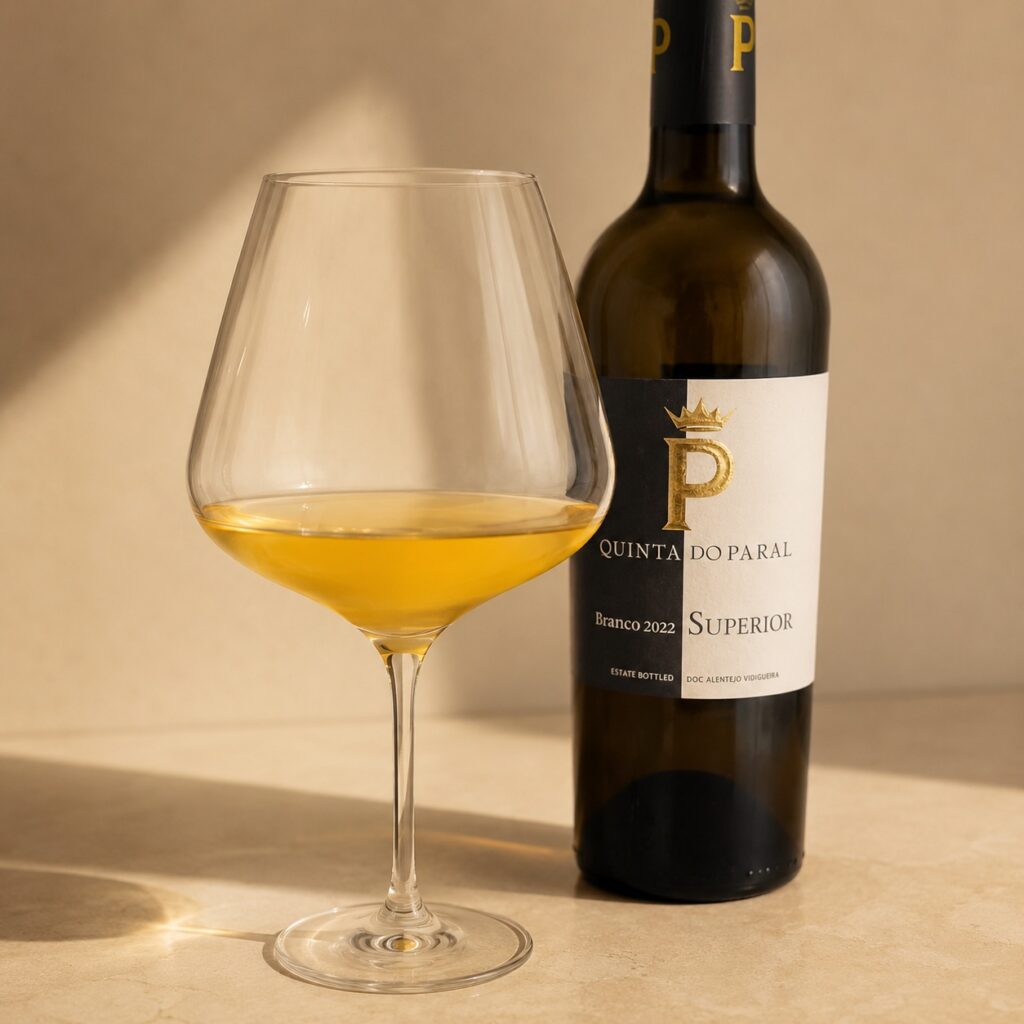
Alentejo, like other southern European wine regions, is facing challenges from increasingly extreme weather and water stress. Rising summer temperatures, prolonged droughts, and erratic rainfall are driving water scarcity that threatens vine health, forces premature ripening, and can mean reduced yields or sunburned fruit. These changes are recognised, but adapting to them takes substantial capital, a cost that can hit smaller growers particularly hard, since they don’t always have the financial headroom to fund a full sustainable conversion.
In terms of styles and trends, the region already tends toward high-alcohol, full-bodied wines, and hotter vintages only push that further: higher sugar levels mean higher alcohol, and it becomes harder to preserve the grapes’ natural acidity. It’s often claimed that consumers globally are seeking lower-alcohol wine, but I suspect that assumption is partly a spillover from the separate, growing demand for NoLo (no- and low-alcohol) beverages.
What’s most interesting about Alentejo, beyond the wines themselves, is its commitment to sustainable production. WASP (the Wines of Alentejo Sustainability Programme), launched in 2015, has been recognised as a benchmark eco-certification, covering everything from energy reduction and water recycling to lighter bottle weights and biodiversity conservation.
International varieties like Syrah and Cabernet Sauvignon tend to need more water management and are more sensitive to drought than Alentejo’s native grapes, as well as resilient adopted varieties like Alicante Bouschet. That feels like an important detail: it might make more sense to focus on the grapes that already suit the region and need fewer resources to thrive, without sacrificing quality.
There’s a lot to discover in Alentejo wine, and I myself am just getting started.
Cheers!
Further reading
- CVRA — Comissão Vitivinícola Regional Alentejana (official regional wine commission)
- Wines of Alentejo Sustainability Programme (WASP), CVRA (official)
- Wines of Alentejo exports maintain growth trend, CVRA (official)
- Portuguese wine production could increase in the Alentejo region, The Portugal News (CVRA data, 2026)
- Vinho da Talha: Roman wine is alive and well in the Alentejo, Turismo do Alentejo (official regional tourism board)
- Wines of Alentejo — region overview, Wines of Portugal (ViniPortugal)
- Decanter travel guide: Alentejo, Portugal