What does uniqueness of an art work mean – and what influence does rarity have in today’s art market?
The question is rooted in my own initial discontent of the commodification of fine art. Perhaps, due to a tendency of romanticising important or relevant fine art as unique or “one of a kind”, which is a dangerous thing to do. This thought might narrow your mind to “what art should be” as a reaction to “what art has become”. So, in an effort to educate myself, and better explain this aspect of art production to others, I am here looking into the levels of rarity art may be produced under, and why does this matter.
From ancient Chinese woodcuts to Andy Warhol’s silk screen prints, the tension between originality and reproduction has always been central to the art world. Today, with artworks sold everywhere from international fairs to online platforms, understanding the difference between unique works, editions, and reproductions may seem useful – for artists, collectors, and audiences alike.

3 Encounters with Art Rarity
My reflections on this topic stem from a couple of personal encounters:
The Picasso Print: A friend once asked me about a lithograph advertised as a “Picasso” for around $500. My friend asked me why it was so cheap, and whether it would be a good purchase. The real question wasn’t whether the piece was authentic, but whether it was a limited edition, an open edition, or simply a fancy poster. Rarity, as well as who produced or printed it, as well as the quality of the edition, could determine the value.
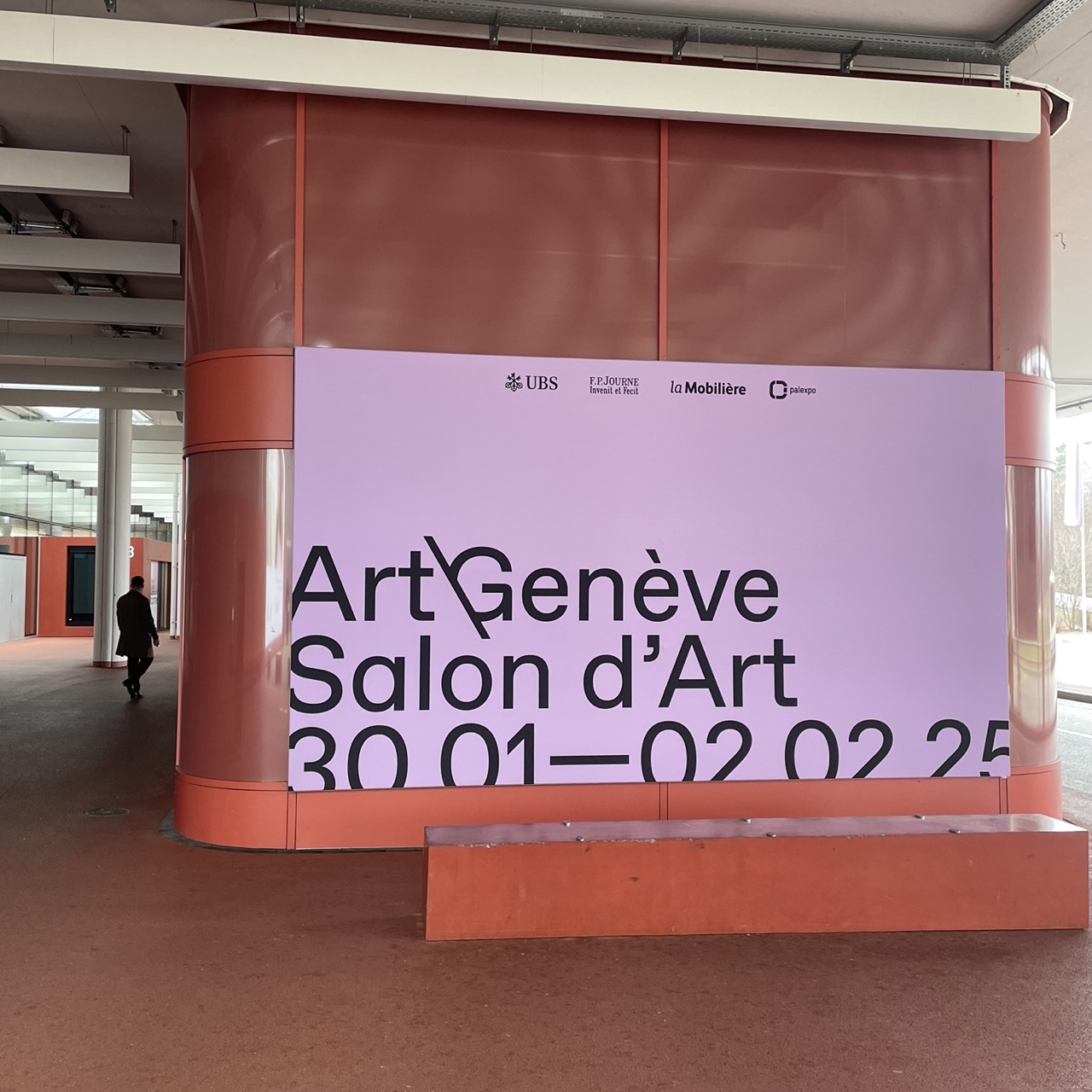
An Yves Klein in Manila: At Art Fair Philippines some years ago, I saw what appeared to be an ultramarine coloured sculpture advertised as Yves Klein’s Blue Venus. The work, I later researched, was conceptualised by the artist, but was only produced after the artists death in limited production of 300 sculptures. The work is dated 1962/1982 for when it was initially conceptualised, and when it was actually produced with authorisation by the artist’s estate 20 years after his death – it was priced around $100,000. This triggered some questions in me; was this an ambitious effort to democratise Klein’s work, or a bold attempt to commercialise a legacy? You can find editions of this sculpture at many prominent museums and galleries around the world, which adds legitimacy and value to this posthumous work. See an example of one of the editions here on The Met’s website.
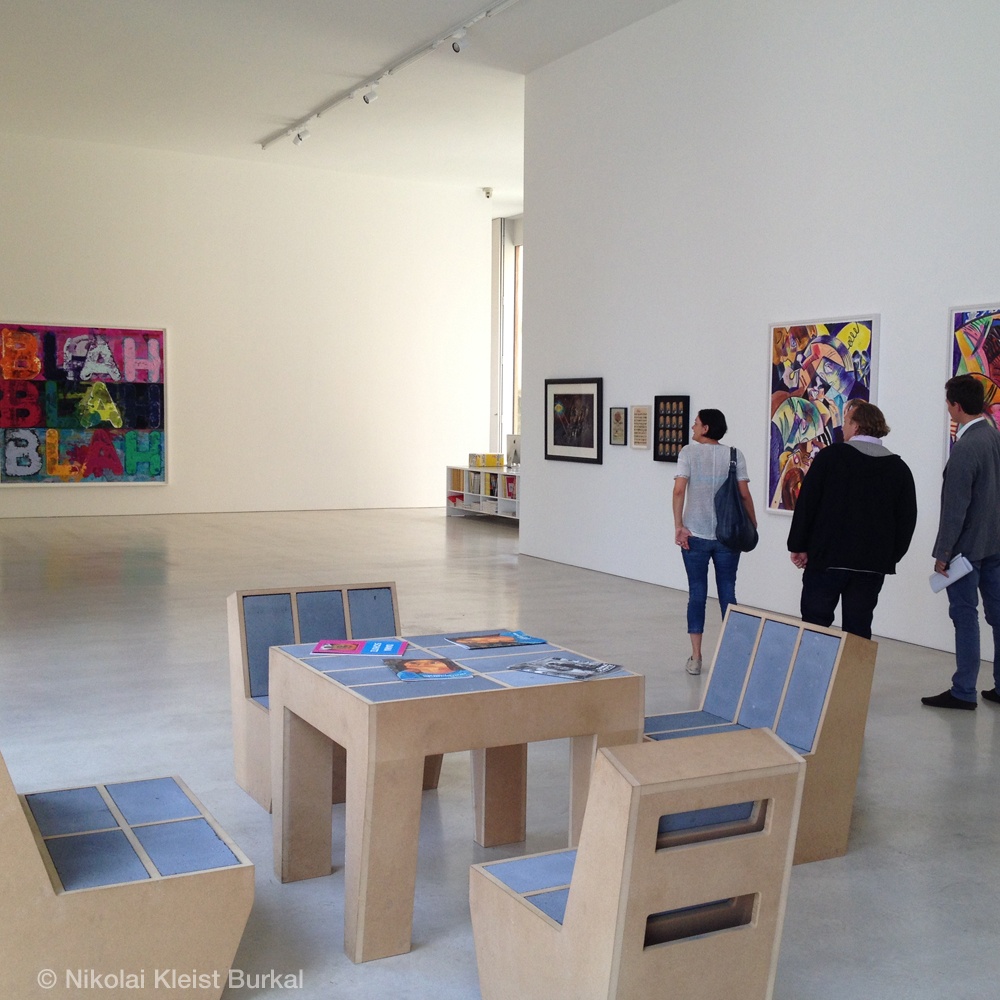
Edition-Only Galleries: In cities like London and Paris, I’ve passed by gallery streets selling, sometimes exclusively, certified prints, editions, and replicas. These spaces illustrate how entire business models can revolve around the reproducibility of art. These galleries also often appear in major art fairs, selling artworks by the likes of Francis Bacon, Dalí, or Basquiat. The artworks represent a mid-range segment of the market, between very affordable and very expensive blue chip art.
Each of the experiences above revealed how fluid the boundaries are between original, edition, and reproduction – and how much these definitions matter in shaping perception and price.

Why Rarity Matters in Art
As mentioned, art is sometimes romanticised as “one of a kind.” We imagine the solitary artist creating a singular masterpiece, preserved in time. But reality is more complex, and there are different reasons why it would make sense to break up a unique artwork into limited editions and reproductions.
Today, the art markets thrive on accessibility, affordability, and scalability. Collectors now navigate a spectrum of artworks – from originals to certified editions, prints, and posthumous reproductions. Each category raises important questions about value, authenticity, and intention.
Rarity plays a crucial role in setting expectations. For collectors, understanding whether a piece is unique, limited, or open edition directly affects the assessment of its value. Editions inevitably reduce a work’s uniqueness, but that does not necessarily diminish its quality. Compared to unique works by the same artist, editions are typically more affordable, though it can be argued that editions can reduce the cultural weight of each individual piece.
It is also important to distinguish between editions and variations. Variations – like Edvard Munch’s The Scream, exists as several oil paintings and pastels – are variations of the same motif across different media. Editions, by contrast, are identical works produced in a numbered or open series, which would be the lithographic prints of The Scream. Nowadays, all the artworks produced during the artist’s life would be considered important, while the earliest completed version from 1893 produced with oil and tempera on cardboard would arguably be the most famous and studied version. Read more about the work on the MUNCH Museum’s website.

When Art follows Technology
The medium of an artwork dictates the possibility of producing art in editions. Like fine art photography, video art, or digital art, artworks can practically be reprinted or redeveloped in as many copies as needed, if the owner possess the negatives or original file. In some instances, the artist may choose to only print a photo in a limited number, choose high quality prints that are difficult and costly to make to ensure quality and integrity of the work. For digital art, the artist may choose to sell the original file or as a non-fungible tokens (NFTs), where uniqueness is secured by a distinct digital code stored on blockchain. The NFT market, which saw a boom in 2021 followed by a steep decline in 2024, is still considered an emerging market as reported by Art Basel in 2024.
Originals, Editions, and Reproductions: What’s the Difference?
- Unique Artworks: Paintings, sculptures, or installations created as singular pieces. These works embody the “one-of-a-kind” ideal and includes variations on a theme.
- Limited Editions: Prints, photographs, or multiples produced in a set number. Each is signed and numbered, often retaining significant value.
- Open Editions: Works reproduced without a set limit—making them more affordable, but less rare.
- Reproductions: Replicas of existing works, sometimes produced posthumously. These can be authorised by estates or entirely unauthorised.
It is important to note, that some artworks are only produced as prints, often in editions, but they are not reproduction. These prints are each considered original prints, as the artwork can be carved out on wood, etched into a copper or zinc plate, or drawn on lithographic stone.
Understanding these categories helps collectors set realistic expectations while giving artists different ways to balance accessibility with financial sustainability. Not every artist can make a living solely from selling unique works one-by-one, and some mediums are especially well-suited to editions. At the same time, editions and reproductions can sometimes feel as though they dilute the intrinsic value of art, reducing it to something more commercial, like derivatives of original works.
There seems to be a fairly large interest in prints and editions, with the secondary market for mid-segment (below USD 50.000) made up 7% of the art market in 2024, according to MyArtBroker. I would still make the argument, there is a big difference between editions made by the artist’s hand or supervision, and posthumous editions that are banking on the artist’s legacy. For collecting purposes, it is always relevant to ensure a certificate of authenticity, check for artist signatures, check whether edition is numbered, and whether date of print corresponds to the artist’s lifespan.
For buyers, the key is to recognise these distinctions. Price is one factor, but of course, the most important question to ask yourself remains simple: Do you like the artwork?

Opportunities and Challenges of Editions
Producing editions can be a lifeline for artists. It allows them to:
- Reach wider audiences at lower price points
- Create steady income streams alongside unique works
- Engage with techniques like photography, printmaking, and digital media
But editions also raise challenges:
- Prints on paper can be fragile over time
- Oversupply can dilute artistic value
- Posthumous reproductions may spark ethical debates
- Commercialisation risks turning art into pure commodity
Some Closing Thoughts
The rarity of an artwork is not just about economics – it’s about meaning. When a work is produced as a unique piece, its singularity becomes part of the story. When it is reproduced, its accessibility carries a different kind of cultural value.
It can be argued, that the artistic integrity and value can still be preserved if the editions are treated like originals, in the sense of documenting, numbering, and certifying each piece. Unlimited quality prints can be considered high-end posters, which is completely fine, as long as this is transparent and clearly communicated to the buyer.
Perhaps the key is not to treat rarity as a hierarchy, but as a spectrum of artistic practice. Unique works, limited editions, and even reproductions all have their place – provided we understand their context, purpose, and artistic intent.
For further reading: